
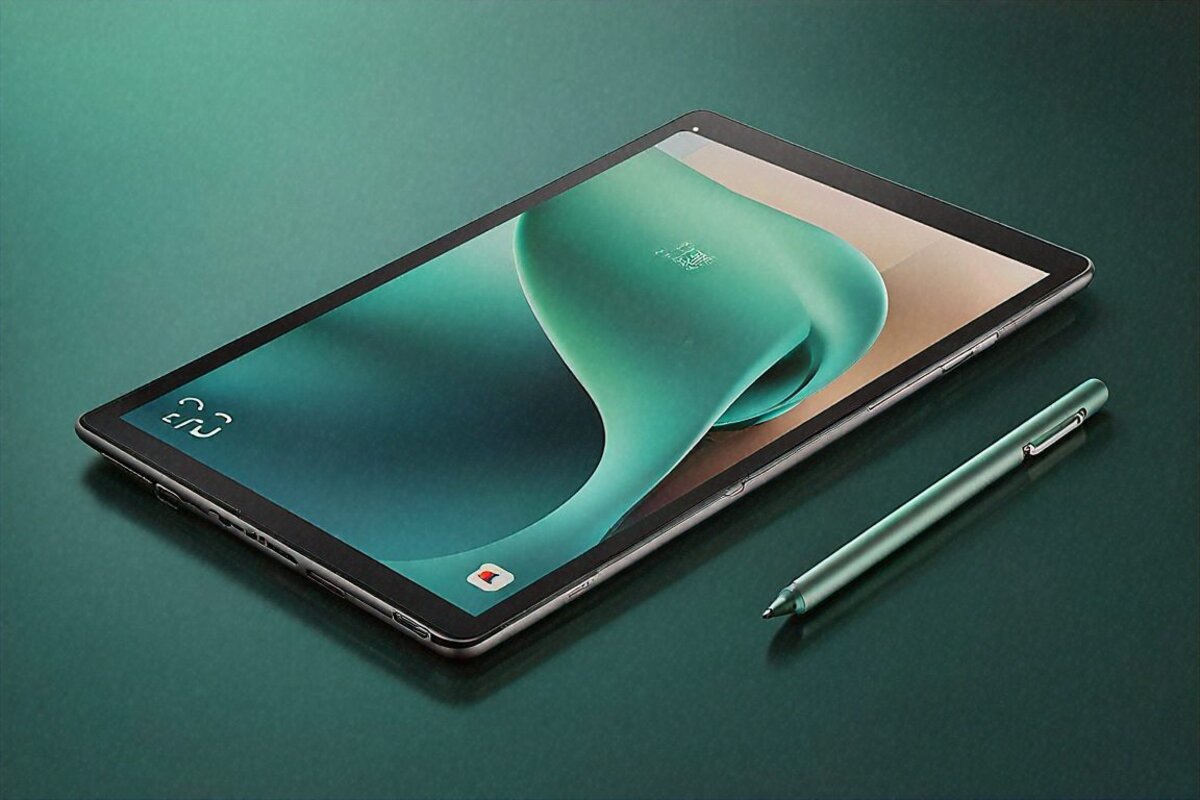
Hold On — ₹39,999? For This Spec Sheet?
I re-read the price three times. Then I read the spec sheet. Then I went back and read the price again. Snapdragon 8 Gen 3, 12 GB of RAM, a 3K screen at 144 Hz, 67W charging — and the whole lot lands under forty thousand rupees. My first instinct was that something had to be wrong. Some buried compromise that would explain how OnePlus was charging less than half what Samsung and Apple want for a flagship-spec tablet.
Three weeks of daily use later, I’m still poking around for that compromise. Haven’t found it yet.
The Maths Just Doesn’t Add Up
Put it next to the competition. The Galaxy Tab S10 Ultra is ₹1,08,999. The iPad Pro M4 opens at ₹1,12,900. The OnePlus Pad 3 at ₹39,999 is roughly a third of either. And the performance gap is nowhere near three-to-one. On raw grunt, the Snapdragon 8 Gen 3 trades punches with last year’s flagships. It charges quicker than the Samsung. The refresh rate is actually higher.
Sure, there are real reasons those premium tablets cost what they do — the iPad’s tandem OLED, Samsung’s DeX and twin S Pens, the ecosystem lock-in. I’m not claiming the Pad 3 beats them. But the value sum here is daft. Properly, genuinely daft.
It Doesn’t Feel Like a Budget Tablet
The brushed aluminium back feels like it belongs on an ₹80,000 device. I handed it to a mate without saying what it cost, and he guessed “seventy thousand?” Off by nearly double. The edges are clean, the matte finish doesn’t turn slippery, and the whole thing holds together in a way budget Android slates historically just haven’t.
6.7 mm thin and 585 grams puts it in comfortable territory. That’s over 130 grams lighter than the Tab S10 Ultra, and trust me, you feel every one of those grams over a long handheld stretch. I read ebooks on it for an hour most nights before bed and my hands don’t grumble. Try that with Samsung’s 718-gram slab.
You get Nimbus Grey and Glacier Blue. I went blue because life’s too short for grey tablets, and it’s more of a soft teal than anything loud — quite tasteful, actually. The camera bump barely registers, and the thing sits almost flat on a desk.
There’s a magnetic mount for the OnePlus Stylo 2, which charges wirelessly when it’s docked. Tidy bit of engineering. One snag, though — the stylus isn’t in the box. ₹39,999 for the tablet, then roughly another ₹5,999 for the pen. Still cheaper than Apple’s ₹11,900 Pencil, but bundling it would’ve sealed the deal. OnePlus, if anyone over there is reading: next time, just chuck it in the box. Please.
The Display Carries the Whole Show
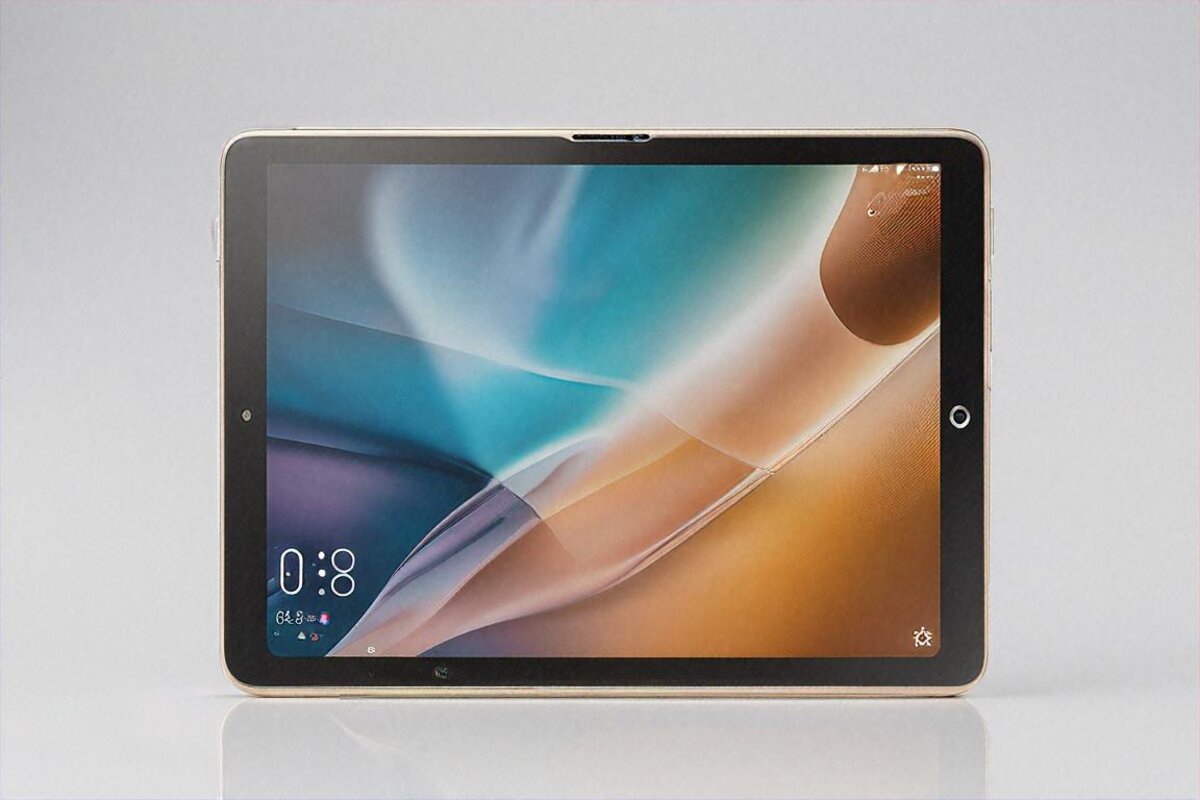
A 12.1-inch panel at 3000 by 2120 with a 7:5 aspect ratio. That ratio caught my eye, because most tablets pick 4:3 or 16:10. The 7:5 sits almost square, and it turns out that’s brilliant for getting work done. Spreadsheets stop feeling pinched. Documents fit more text per page. Split-screen hands each app a properly usable chunk of the display. Smart call by OnePlus.
It’s an LTPO panel, so the refresh rate flexes from 1 Hz to save battery all the way up to 144 Hz when you want the smoothness. And 144 Hz on a tablet is, if I’m honest, overkill for most of what you’ll do — but scrolling long web pages and social feeds feels like glass. Go back to a 60 Hz screen afterwards and it looks like a flip-book.
Brightness is fine indoors. Out in direct sun it’s okay but not brilliant — you’ll want shade to read comfortably on a bright afternoon. There’s an anti-glare coating that takes the edge off reflections, which is a thoughtful touch.
Colour’s respectable. Natural mode is nicely calibrated for watching things and a bit of photo work. Vivid mode pumps the saturation for anyone who likes their colours with extra kick. Neither matches the iPad Pro’s panel for accuracy, but at a third of the price I’d be churlish to expect it.
Last Year’s Flagship Chip, Still Quick as Anything
Yes, the Tab S10 Ultra has the newer Snapdragon 8 Gen 4. And yes, the 8 Gen 3 is technically the old guard now. Does any of that show up in daily use? Not a bit. I haven’t hit a single thing on this tablet that feels slow.
CapCut on 4K clips — smooth. Four apps in split screen — no reloads, no stutter. Genshin Impact on high settings — playable and good fun, with only the odd frame dropping in the most frantic moments. The 12 GB of LPDDR5X keeps apps alive in the background for ages. I jumped out of Chrome, used three other apps, came back forty minutes later, and every tab was still loaded. No refresh.
On benchmarks the 8 Gen 3 lands where top-tier flagships sat a year ago. For a ₹39,999 device, that’s a faintly absurd amount of power. Most tablet jobs — browsing, documents, streaming, notes, light gaming — don’t need a fraction of it. It’s a bit like dropping a sports-car engine into a delivery van. Technically pointless. In practice, delightful.
OxygenOS Tablet — Clean, and It Stays Out of the Way
OnePlus built a proper tablet flavour of OxygenOS on Android 15, and it’s refreshingly clean. None of the Samsung-style bloat. No duplicate apps doing the same job twice. You get the Google suite, a handful of OnePlus apps, and that’s about it. The home screen adapts well to the bigger display with a sensible widget grid.
Multitasking’s good. Swipe in from the side for split screen, long-press an app to float it, or lean on the bottom taskbar for quick switching. Ten minutes and it’s second nature. What you don’t get is anything like DeX — there’s no full desktop mode that reshapes the interface when you plug in a keyboard. For productivity types, that’s a real gap.
Then there’s the perennial Android tablet headache: app optimisation. Most Android apps were built for phones. On a 12.1-inch screen, some just blow up to phone size with oceans of empty space around them, and it looks rough. Instagram does this. A few banking apps. The odd utility. It’s improving — slowly — but it’s still a fact of Android tablet life that iPadOS handles better with its proper tablet app catalogue.
OnePlus promises two years of Android updates and three of security patches. That’s… fine, I suppose. Not a patch on Samsung’s four-plus-five, and miles off Apple’s five-years-plus. At ₹39,999 I can live with it, but I’d love to see OnePlus stretch this to at least three years of OS bumps.
67W SUPERVOOC — Quickest-Charging Tablet Going
This is the one area where the Pad 3 doesn’t just keep pace with the pricey crowd — it walks past them. 67W SUPERVOOC takes it from flat to full in about 75 minutes. The Tab S10 Ultra needs 90 at 45W. The iPad Pro takes around 120.
The 9,510 mAh battery has serious legs. I land 10 to 12 hours of mixed use without fail — browsing, streaming, some notes, light gaming. Loop a video and it stretches to 12 to 15 depending on brightness. A normal day of university classes or office meetings leaves you with plenty in reserve.
And the 67W brick is in the box. Thank you, OnePlus. Thank you for not making me buy it on the side. The little courtesies count.
Speakers — A Pleasant Surprise
Quad speakers with Dolby Atmos. For the money, genuinely impressive. They go loud enough for a bedroom or a small living room, with a decent stereo spread when you hold it sideways. Bass is thin — no tablet does bass — but vocals come through clear and the highs stay crisp. I got through several episodes of The Family Man on it without headphones and didn’t feel like I was missing much.
The real win is that all four speakers fire the right way when you turn it sideways. Plenty of tablets get this wrong and end up throwing sound backwards or down into the desk. OnePlus nailed it.
Camera — Yes, It Has One
There’s a rear camera and a front one. They take photos and video. The front one handles video calls fine — 8 MP, decent in a well-lit room, a bit shaky in dim light but nothing that’d embarrass you on a work call. The rear one… look, if you’re shooting photos with a 12-inch tablet, we should probably have a different chat. It’s fine for scanning a document, grabbing the whiteboard after a meeting, snapping something you need to remember later. That’s the ceiling I’d set for it.
Connectivity and Everyday Use
Wi-Fi 6 keeps streams smooth and downloads quick. I ran a few speed tests and it pulled close to my full connection every time. Bluetooth 5.3 pairs without drama with earbuds, keyboards, and game controllers. There’s an optional 5G version for anyone who needs data on the move, though it bumps the price.
The microSD slot is a genuine bonus that neither Apple nor Samsung gives you on their premium tablets. Drop in a 256 GB or 512 GB card and you’ve got room for films, music, and documents without paying a manufacturer’s silly storage markup. For students and travellers loading up offline content before a long train ride or flight, that’s a practical feature that saves actual money.
Day to day, the Pad 3 has quietly become my sofa device — browsing, reading PDFs and ebooks before bed, watching YouTube over breakfast, taking notes in online meetings. It isn’t trying to be my laptop. It isn’t pretending to be a workstation. It knows exactly what it is — a really good tablet at a really good price — and it does the tablet stuff with enough speed and visual polish that I grab it before my phone or laptop most evenings.
The Stylus and Keyboard Situation
The OnePlus Stylo 2 is sold separately, which does sting a bit at this price. Once you’ve bought it, the experience is solid — good latency, decent pressure sensitivity, comfy to hold. It’s not in Apple Pencil Pro or S Pen territory, but for handwritten notes and marking up documents it does the job with no maddening lag or dropped strokes.
The keyboard case is also separate, and it turns the Pad 3 into something close to a Chromebook. The keys are a touch shallow but responsive, and the trackpad’s small but works. If you’re a student who needs notes, research, and essay-writing in one device, the Pad 3 plus keyboard is a tempting setup for a lot less than a laptop.
Specifications
| Specification | Details |
|---|---|
| Processor | Snapdragon 8 Gen 3 |
| RAM | 8 GB / 12 GB LPDDR5X |
| Storage | 128 GB / 256 GB UFS 3.1 |
| Display | 12.1″ LTPO, 3000×2120, 144 Hz, 7:5 ratio |
| Battery | 9,510 mAh, 67W SUPERVOOC |
| Weight | 585 g |
| Speakers | Quad speakers, Dolby Atmos |
| OS | OxygenOS Tablet, Android 15 |
| Connectivity | Wi-Fi 6, Bluetooth 5.3, optional 5G |
| Stylus | OnePlus Stylo 2 (sold separately) |
| Colours | Nimbus Grey, Glacier Blue |
| Expansion | MicroSD card slot |
Pros
- Snapdragon 8 Gen 3 flagship performance at ₹39,999 is incredible value
- 3K 144 Hz LTPO display looks and feels premium
- 67W SUPERVOOC charges faster than any competing tablet
- Clean OxygenOS with minimal bloatware
- 585 g weight is comfortable for extended handheld use
- MicroSD expansion for extra storage
Cons
- Android tablet app optimisation remains inconsistent
- No desktop mode equivalent to Samsung DeX
- Only two years of guaranteed Android updates
- Stylus sold separately
- Outdoor brightness could be better
How It Stacks Up Against the Rest
At ₹39,999, the Pad 3 lands in an odd no-man’s-land. Below it sit budget Android slates from Xiaomi and Realme that cost half as much and deliver half the performance. Above it, the Samsung Galaxy Tab S9 FE+ runs around ₹50,000 to ₹55,000 — which gets you the S Pen in the box and Samsung’s better software story, but a weaker chip and slower charging.
The iPad 10th generation at roughly ₹44,900 is Apple’s nearest answer, and it’s a real alternative if app optimisation and long software support matter most to you. But the 10th-gen iPad runs an older A14 that’s a good bit slower, a 60 Hz screen that feels dated once you’ve used the OnePlus’s 144 Hz, and it charges at a painful 20W. Spec for spec it isn’t close — the Pad 3 wins on hardware comfortably. What the iPad wins on is the software ecosystem, and whether that trade matters comes down entirely to what you plan to do with the thing.
For straight Android tablet rivals at this price, there honestly isn’t much around. The Xiaomi Pad 6 Pro is older and slower. The Samsung Tab S9 FE is smaller and less powerful. The Pad 3 has the best silicon, the highest refresh rate, and the fastest charging of any tablet under ₹45,000 in India. That’s not an opinion — those are measurable specs you can check on any comparison site.
So Who’s It Actually For?
Students, mostly. At this price it’s a student’s dream. Notes in class, textbook PDFs, research papers, YouTube lectures, group video calls, weekend entertainment — the Pad 3 handles the lot without breaking a sweat or your parents’ bank balance. Add the keyboard and stylus and you’re still under ₹50,000, which is less than an iPad Pro’s base model on its own.
It’s also great for families who want a shared entertainment device — streaming, casual games, video calls with relatives, kids’ learning apps. The 12.1-inch screen is big enough to share around, and the build’s sturdy enough to survive being passed hand to hand around the house.
For professionals who need the serious productivity stuff — desktop mode, enterprise security, pro-grade stylus accuracy — you’ll probably want to step up to the Samsung or Apple options. The Pad 3 does productivity perfectly well, it just doesn’t do it with the polish of DeX or Stage Manager.
And That Thought I Can’t Shake
I keep circling back to the price. ₹39,999. Every time I pick this thing up and it does something well — loads a game fast, throws up a gorgeous movie, charges from empty during a lunch break — I remember what it cost and I’m a little bit amazed all over again.
Is it perfect? No. The update window’s short. The Android tablet app situation still has holes. There’s no desktop mode. But at this price, perfection was never the bar. Value is. And on value alone, I’m not sure anything on the Indian market right now gets close.
I think about the students who’d otherwise have stretched for a ₹25,000 phone and a ₹15,000 laptop to cover the same ground one device covers here. Or the families who’d have reached for a budget iPad that gives you half the performance. The Pad 3 sort of rewrites that sum.
Or maybe I’m overthinking it. Maybe it’s just a really good tablet at a really good price and that’s all it needs to be. Maybe that’s…
Yeah. It’s that.
Price in India
The OnePlus Pad 3 starts at ₹39,999 in India for the 8 GB / 128 GB variant. The 12 GB / 256 GB model costs a bit more. You’ll find it on OnePlus.in, Amazon India, and Flipkart. The OnePlus Stylo 2 and keyboard case are sold separately.
Full Specifications
| Processor | Snapdragon 8 Gen 3 |
|---|---|
| RAM | 8GB/12GB LPDDR5X |
| Storage | 128GB/256GB |
| Display | 12.1" 3000×2120 LTPO 144Hz |
| Battery | 9510mAh 67W |
| Weight | 585g |
| OS | OxygenOS Tablet Android 15 |
| Speakers | Quad Dolby Atmos |
Pros
- Snapdragon 8 Gen 3 at mid-range price
- 3K 144Hz display
- 67W fast charging
- Clean OxygenOS Tablet
- Light 585g
Cons
- Limited Android tablet app optimisation
- No desktop mode
- Only 2 years updates
- Stylus sold separately
Our Rating: 8.3/10 · Price: ₹39,999


Samsung QN900D 85″ 8K TV is absolutely stunning in person. The upscaling from 4K to 8K is impressive. Setup the home theatre of my dreams with this!