
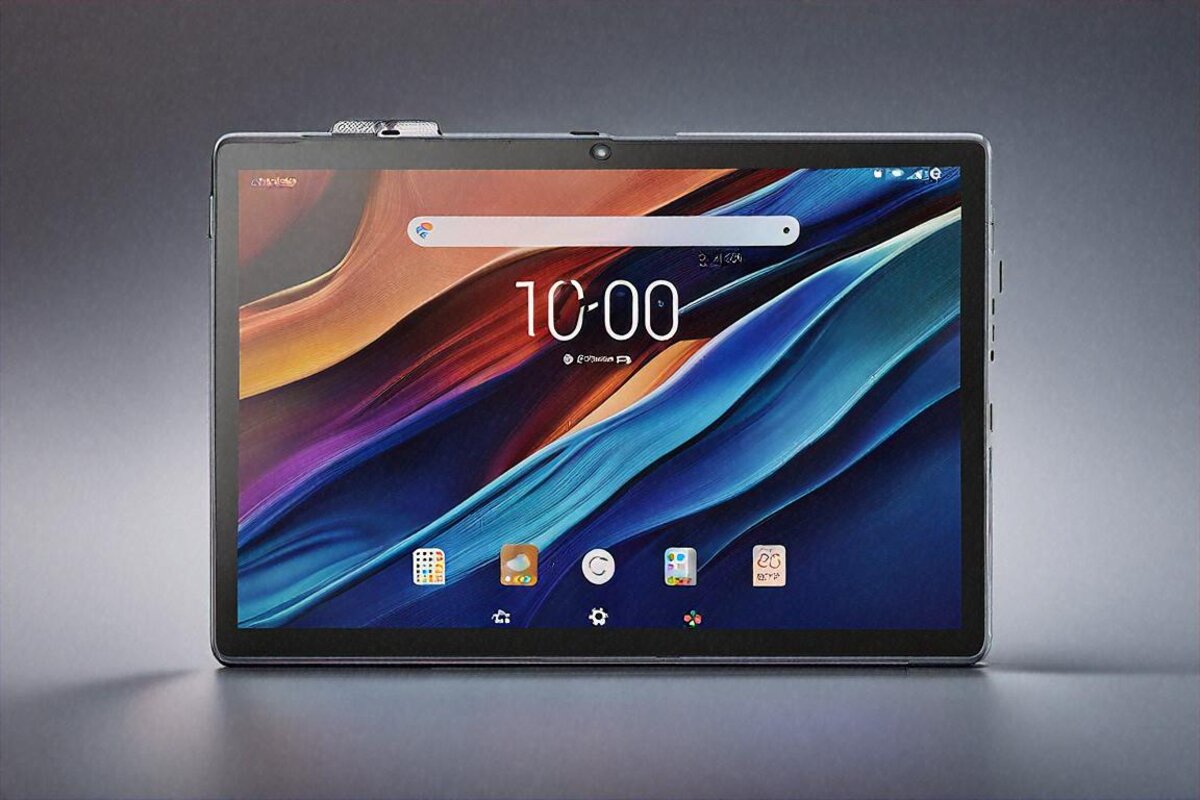
Most tablet reviews miss the point. Half the runtime goes to spec-for-spec comparisons against an iPad, the other half pretends anyone genuinely does eight hours of “productivity” on a slab of glass. Nobody lives like that. What people really want to know is whether the thing’s worth buying for how they actually use a tablet — watching stuff in bed, reading PDFs, half-heartedly taking notes in a meeting, maybe handing it to the kids on a long drive. So that’s what I tested the Lenovo Tab P12 Pro for. Real life. Not benchmark theater.
At Rs 34,999, the Tab P12 Pro lands in an awkward middle. Not cheap enough for an impulse buy, not dear enough to line up against the iPad Air or the Samsung Galaxy Tab S9 FE+. Lenovo seems aware of that and has crammed in stuff — a keyboard, JBL quad speakers, a 12.7-inch 3K AMOLED — that makes the price feel almost too good. There’s got to be a catch, right? Well. Sort of. Let me walk you through it.
12.7 inches — is that just too big?
Depends on your hands, probably. Mine are average and I can hold this one-handed for about thirty seconds before my wrist files a complaint. Two hands is the default here, and Lenovo clearly built it that way. At around 615 grams it isn’t heavy for the size — roughly what you’d expect from a 12-inch-class tablet — but you won’t be standing on the metro thumbing through Instagram with it. It’s a sit-down device.
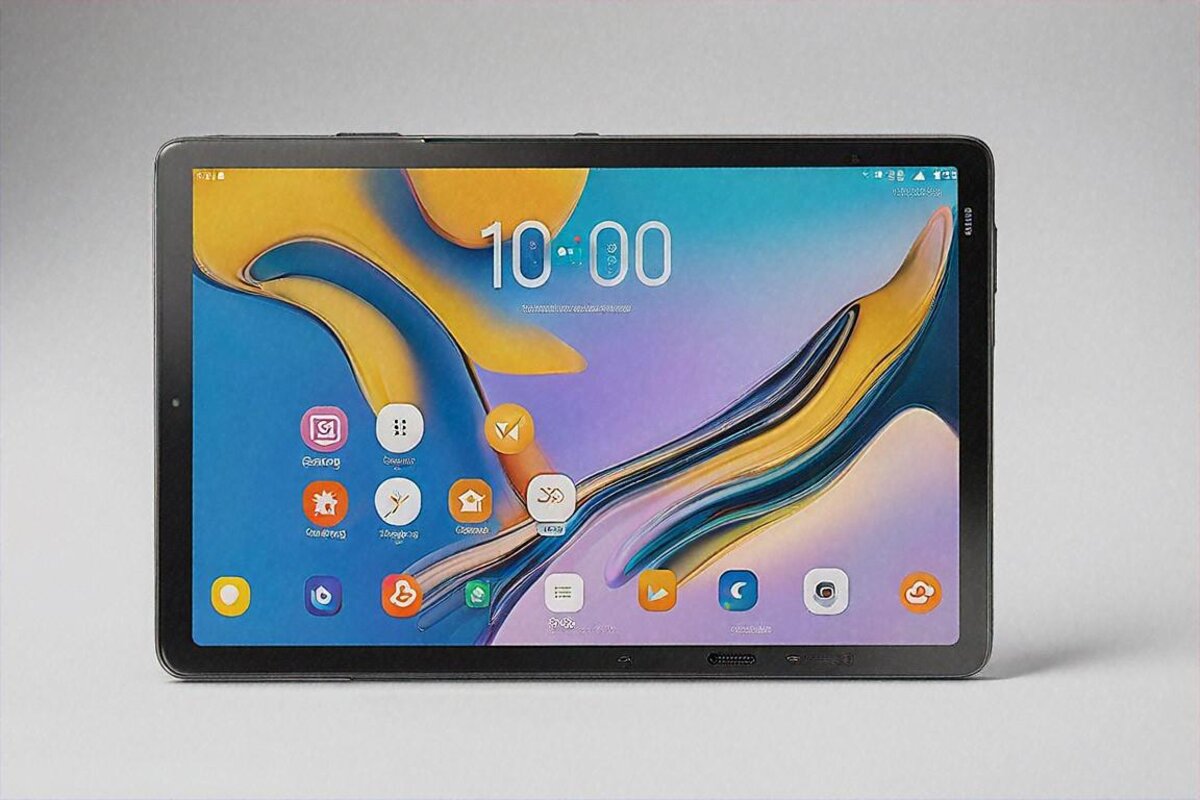
That 3K AMOLED is gorgeous, though. 2944 x 1840 pixels, 120Hz. Text is crisp. Video pops with those deep OLED blacks. Watch a movie on a cheaper LCD tablet, then switch to this, and you won’t want to go back. I streamed the whole second season of Panchayat on it and it beat my 10-year-old TV. Not exaggerating.
Brightness is fine indoors but wilts a bit in direct sun. Out on a Delhi balcony in the April glare I had to crank it to max, and even then the reflections were a pain. AMOLED panels do this generally, and the P12 Pro is no exception. If you’re planning mostly outdoor use, temper your expectations.
Does the processor keep up?
It runs a MediaTek Dimensity 7050. Not the quickest chip going, not by a stretch. With 8 GB of RAM and 256 GB of storage behind it, day-to-day is… fine. Apps open without delay, split-screen with two apps holds steady, Android 14 runs smoothly. BGMI at medium settings is playable. Genshin Impact at medium hovers around 30-35 fps. Don’t go in expecting high-end gaming, because the Dimensity 7050 wasn’t built for it.
Where it surprised me was document work. Loading 50-page PDFs, editing spreadsheets in Google Sheets, writing in Google Docs — all perfectly responsive. Lenovo must’ve tuned the RAM management well, because I rarely caught apps dying in the background even with five or six things open. For the money, the horsepower’s adequate. Not thrilling. Adequate.
Storage is 256 GB out of the box. No microSD expansion, which is irritating. After system files and pre-loaded apps you’re left with about 220 GB usable. Plenty for most people. If you’re the type who hoards dozens of Netflix downloads for offline viewing, you’ll have to stay on top of cleanup.
The speakers — does JBL actually mean anything here?
Yes. Four JBL-tuned speakers with Dolby Atmos. And they’re genuinely good. I know “quad speakers” has turned into a buzzword manufacturers staple onto everything, but the P12 Pro backs it with real volume and clarity. Movies played sideways get proper stereo separation. Bass is thin — you won’t rattle windows — but dialogue’s clear, mids are clean, and the balance is solid enough that I stopped grabbing my earbuds for casual viewing.
Music’s decent too, though I wouldn’t call it a stand-in for even a budget Bluetooth speaker. At maybe 60-70 percent volume the speakers stay clean. Push past 80 and distortion creeps in, especially on bass-heavy tracks. For a tablet? Among the best speakers I’ve heard at the price. The JBL tuning leans on vocal clarity, which makes it great for YouTube, podcasts, and video calls.
That keyboard — is it actually usable?
Lenovo throws a keyboard cover in the box. Free. At Rs 34,999. That alone makes the tablet worth a second look, because Samsung and Apple bill you separately for their keyboard accessories and those run Rs 10,000-15,000 on their own.
So is the keyboard good? It’s acceptable. Key travel’s shallow, which you’d expect from a tablet cover. The keys feel a little cramped next to a full-size board, but a day in I’d adapted. I wrote about 2,000 words on it during a train ride from Delhi to Jaipur, and while it wasn’t a joy, it got the job done. The trackpad’s tiny and imprecise — I gave up on it and just used the touchscreen to get around. Magnets hold the tablet at two angles and both feel stable on a flat surface. On your lap? Less so. The whole rig gets wobbly on anything that isn’t a table.
For students taking notes in college, or anyone who occasionally needs to fire off emails on the road, the keyboard is a real value-add. For anyone hoping for a laptop replacement, no. It isn’t that. Android still doesn’t handle keyboard-and-mouse workflows as cleanly as iPadOS or Windows, and Lenovo’s own productivity overlay doesn’t fully paper over the gap.
Is there a stylus in the box?
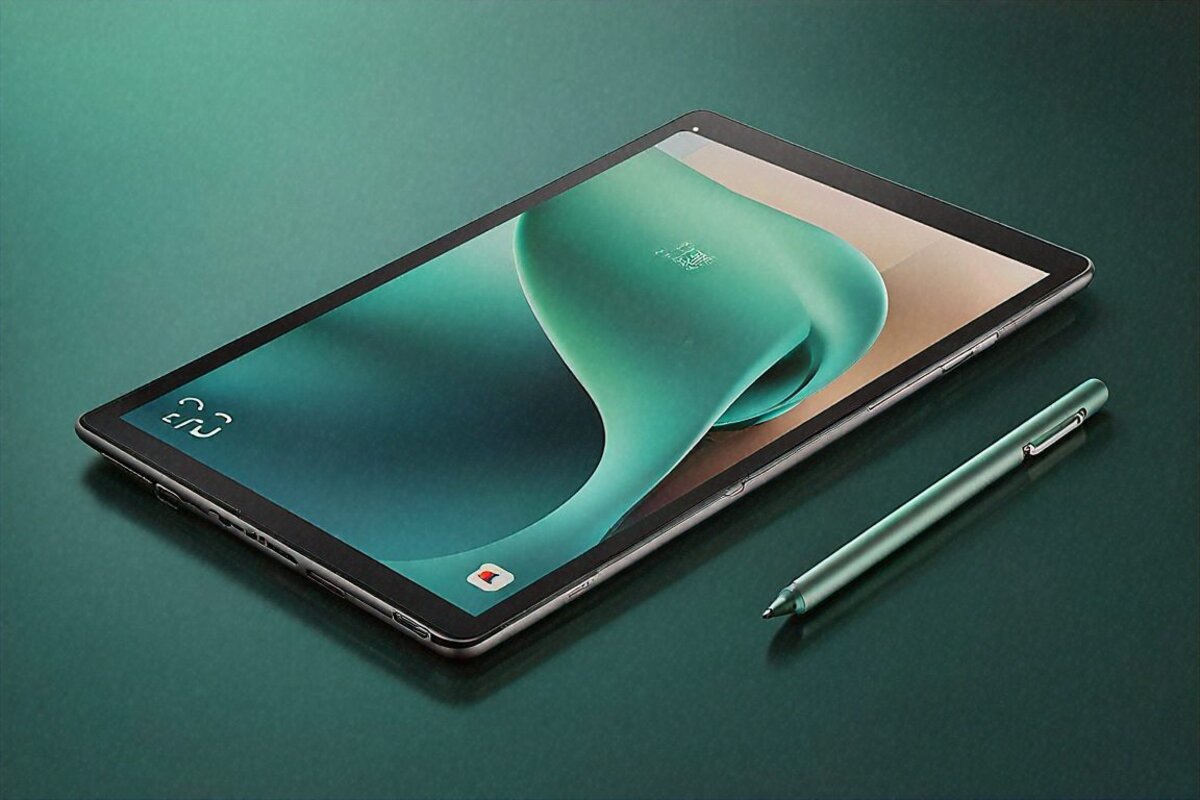
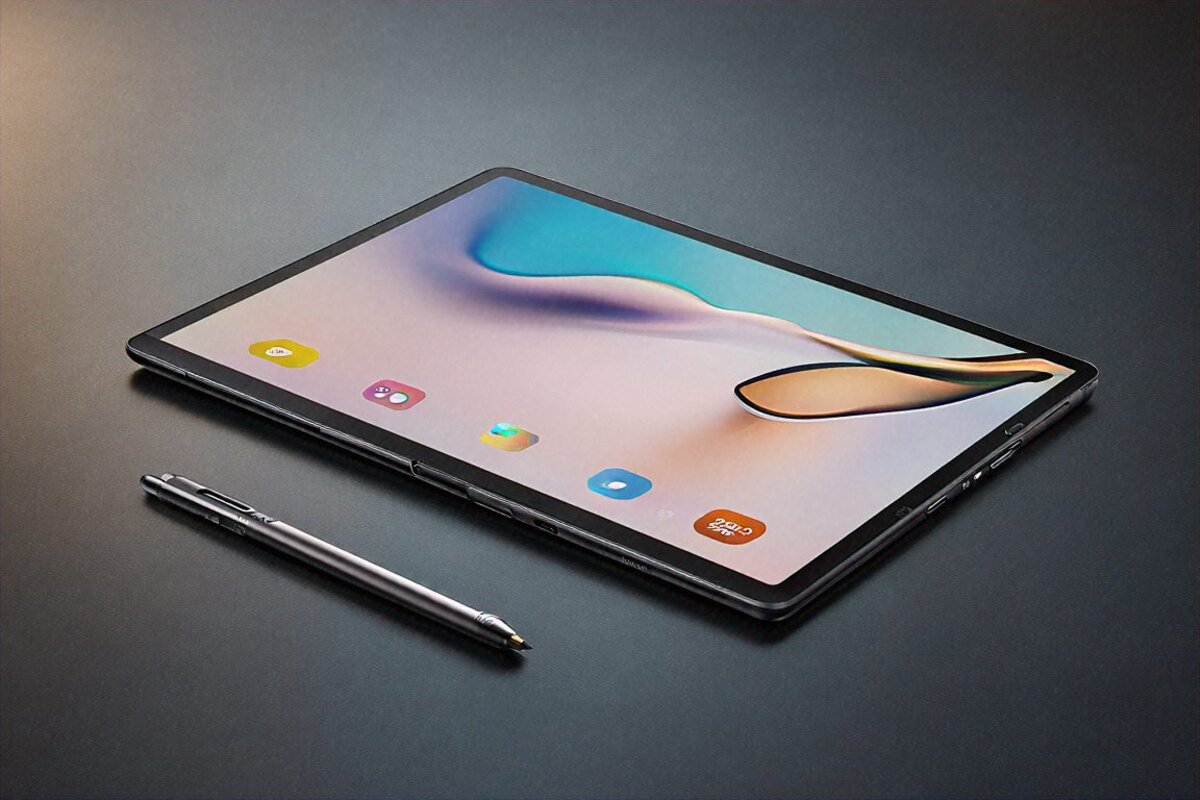
Nope. Pen support’s there — it works with the Lenovo Precision Pen 3, sold separately for around Rs 5,000-6,000. I didn’t put the pen through serious testing, since I’m neither an artist nor a heavy note-taker, but the few minutes I spent with a borrowed one felt responsive enough. Palm rejection worked, latency was low. If digital drawing or handwritten notes matter to you, fold the pen cost into your total budget.
How’s the battery?
10,200 mAh. Big number, and it shows up as solid real-world endurance. On mixed use — some streaming, web browsing, social media, reading, a bit of gaming — I consistently got through a full day and into the next morning. Screen-on time averaged around 9-10 hours, which is excellent. Pure video playback stretched closer to 13-14 hours. For a device this size with this display, that’s impressive.
Charging is where the enthusiasm meets reality. 30W. On a 10,200 mAh battery. That’s roughly two hours fifteen from empty to full. Not great. Not terrible. I got into the habit of plugging it in before bed, full by morning, which suits most routines fine. Need a quick top-up? About 30-35 percent in half an hour, enough for a few hours of use. At least the charger’s in the box — some makers have started cutting it, which is infuriating.
What about the cameras?
Fine. 13MP rear, 8MP front. The rear takes acceptable photos in good light — enough for scanning documents, snapping a whiteboard, that sort of thing. Front-camera video calls are decent, especially in a well-lit room. The image is clear enough that colleagues won’t squint, and the wide-angle front lens frames your face comfortably without the passport-photo look.
Nobody buys a tablet for the cameras. I won’t pretend otherwise. These exist for utility and they do that job without embarrassment. Low light is mediocre on both, as you’d expect. Want good photos? Use your phone. One thing I did appreciate: the front camera sits on the long edge, so you’re centered in frame on video calls when the tablet’s in its keyboard dock. Small detail, but it makes a real difference next to tablets that stick the front camera on the short side and leave you staring off-center.
Connectivity and software
WiFi 6. Bluetooth 5.2. A USB-C port that does charging and data. No 5G or LTE on this variant, which might matter if you need always-on connectivity without tethering to your phone. For most home and office WiFi, the connection’s been stable and quick.
Software’s Android 14 with Lenovo’s light skin on top. Not stock, but close enough that you won’t feel lost. Bloatware’s present but minimal — a few Lenovo apps you can disable or ignore. The tablet gets two years of OS updates and three of security patches, standard for the segment. Not as generous as Samsung’s four-year pledge, but ahead of some Chinese brands that ghost their tablets after a single update.
Multi-window works decently. Two apps side by side in split screen, plus a floating window over the top. Reading a PDF while taking notes, or watching a video while messaging — it holds up. The 12.7-inch screen gives you enough room that split-screen apps don’t feel squeezed the way they do on a 10-inch tablet. Lenovo’s productivity bar along the bottom puts recent apps and shortcuts a tap away, which is a nice touch. Nothing that’ll change your life, but thoughtful. One annoyance: some Android apps still scale badly to big tablet displays. Instagram, for one, just runs as a stretched phone app. That’s not on Lenovo — blame developers who still can’t be bothered optimizing for tablets — but it nags at the daily experience.
Build quality — does it feel cheap?
No. Metal frame, slim bezels, fit and finish that’s genuinely good for the price. It looks and feels like a tablet that costs more than it does. The back has a matte-ish finish that shrugs off fingerprints reasonably well. Power and volume buttons sit on the side with a satisfying click. Nothing about the build screams budget.
Durability I can’t speak to long term. Three weeks of testing won’t tell you how it survives six months of daily abuse. But nothing creaked, nothing flexed, and the screen held up fine through dozens of keyboard-cover magnet attach-and-detach cycles. A friend bought one about four months back and says it still feels new, though his kids have managed to scratch the back panel. I’d grab a basic case if small children will be near this thing. The screen itself seems tough enough — no scratches turned up during my testing despite getting tossed into bags with no protector. Maybe I just got lucky.
How does it stack up against the competition?
At Rs 34,999, the obvious rivals are the Samsung Galaxy Tab S9 FE (around Rs 30,000-35,000), the Xiaomi Pad 6 (around Rs 25,000-30,000), and the iPad 10th generation (around Rs 33,000-35,000).
Against the Samsung: the P12 Pro has a bigger, better display and tosses in a keyboard. Samsung counters with stronger software-update commitment and DeX for a more desktop-like feel. Close call. Comes down to whether you value the screen and keyboard or the long-term software.
Against the Xiaomi Pad 6: Lenovo wins on display size, display quality, speakers, and the bundled keyboard. Xiaomi’s cheaper with a slightly snappier chip. For entertainment and light work, Lenovo’s the better buy. For budget gaming, Xiaomi might nose ahead.
Against the iPad: here it turns philosophical. The iPad has a vastly better tablet app ecosystem, and iPadOS handles tablet use cases more gracefully than Android does. But the iPad at this price runs an LCD screen, ships no keyboard, and has weaker speakers. If your life revolves around Apple’s ecosystem, get the iPad. If it doesn’t, the P12 Pro gives you more hardware for less money.
So who should actually buy this?
College students who need something bigger than a phone for reading and notes. People who watch loads of video in bed or while traveling and want a great screen with great speakers. Families after a shared entertainment device that won’t break the bank. Anyone who occasionally needs a keyboard-equipped tablet for light work and would rather not pay extra for the accessory.
Who should skip it? Gamers chasing top-tier performance. People who need LTE. Anyone deep in the Apple ecosystem. Power users who want desktop-grade multitasking. And honestly, if you’re the sort who believes a tablet can replace a laptop — it can’t. Not this one, not the iPad, not the Galaxy Tab. Tablets are tablets. They’re great at being tablets. Stop trying to turn them into laptops.
During Flipkart Big Billion Days and Amazon Great Indian Festival, Lenovo tablets usually drop Rs 3,000-5,000, which would pull this into the Rs 30,000-32,000 range. At that price it becomes an even easier yes. If you’re in no rush, waiting for a sale is the smart move.
Specifications
- Display: 12.7-inch 3K (2944 x 1840) AMOLED, 120Hz refresh rate
- Processor: MediaTek Dimensity 7050
- RAM: 8 GB
- Storage: 256 GB (no microSD expansion)
- Battery: 10,200 mAh
- Charging: 30W wired
- Speakers: Quad JBL speakers with Dolby Atmos
- Rear Camera: 13 MP
- Front Camera: 8 MP wide-angle
- OS: Android 14
- Connectivity: WiFi 6, Bluetooth 5.2, USB-C
- Weight: ~615 g
- Accessories: Keyboard cover included in box
- Pen Support: Lenovo Precision Pen 3 (sold separately)
- Price: Rs 34,999
Pros
- Stunning 12.7-inch 3K AMOLED display with 120Hz — best in class at this price
- Keyboard cover included in the box saves you Rs 10,000+ over competitors
- JBL quad speakers with Dolby Atmos sound genuinely good for a tablet
- 10,200 mAh battery delivers 9-10 hours screen-on time consistently
- Build quality feels premium, metal frame with slim bezels
- 256 GB storage is generous for the segment
- Smooth Android 14 experience with minimal bloatware
Cons
- 30W charging takes over two hours for the large battery — slow by 2026 standards
- MediaTek Dimensity 7050 is adequate but not exciting for gaming
- No microSD card slot for storage expansion
- No LTE/5G option — WiFi only at this price
- Bundled keyboard trackpad is too small and imprecise to be useful
- Pen sold separately adds Rs 5,000-6,000 to total cost
- Only two years of OS updates, trailing Samsung and Apple
Rating: 8.4/10
The Lenovo Tab P12 Pro isn’t trying to be everything. It’s a big, beautiful screen with great speakers and a free keyboard for Rs 34,999. For what it does well — media, light productivity, reading — it does it better than anything else at this price in India. The compromises are real, but they’re the right compromises for who this is built for.
I honestly don’t know where tablets go from here. The hardware keeps improving at every price point, yet the software — Android on tablets specifically — still feels like an afterthought next to iPadOS. Lenovo’s built excellent hardware. Whether Google ever hands Android tablet users the software experience they deserve is a question nobody seems able to answer. Maybe the P12 Pro’s best feature isn’t any single spec. Maybe it’s proving a Rs 35,000 tablet can make you stop wishing you’d bought an iPad. For now, anyway.
Full Specifications
| Display | 12.7-inch 3K (2944 x 1840) AMOLED, 120Hz refresh rate |
|---|---|
| Processor | MediaTek Dimensity 7050 |
| RAM | 8 GB |
| Storage | 256 GB (no microSD expansion) |
| Battery | 10,200 mAh |
| Charging | 30W wired |
| Speakers | Quad JBL speakers with Dolby Atmos |
| Rear Camera | 13 MP |
| Front Camera | 8 MP wide-angle |
| OS | Android 14 |
| Connectivity | WiFi 6, Bluetooth 5.2, USB-C |
| Weight | ~615 g |
| Accessories | Keyboard cover included in box |
| Pen Support | Lenovo Precision Pen 3 (sold separately) |
| Price | Rs 34,999 |
Pros
- Stunning 12.7-inch 3K AMOLED display with 120Hz — best in class at this price
- Keyboard cover included in the box saves you Rs 10,000+ over competitors
- JBL quad speakers with Dolby Atmos sound genuinely good for a tablet
- 10,200 mAh battery delivers 9-10 hours screen-on time consistently
- Build quality feels premium, metal frame with slim bezels
- 256 GB storage is generous for the segment
- Smooth Android 14 experience with minimal bloatware
Cons
- 30W charging takes over two hours for the large battery — slow by 2026 standards
- MediaTek Dimensity 7050 is adequate but not exciting for gaming
- No microSD card slot for storage expansion
- No LTE/5G option — WiFi only at this price
- Bundled keyboard trackpad is too small and imprecise to be useful
- Pen sold separately adds Rs 5,000-6,000 to total cost
- Only two years of OS updates, trailing Samsung and Apple
Our Rating: 8.4/10 · Price: ₹34,999


0 Comments