
I’ve Worn Every Fitbit Since the Charge 2. This Might Be Where That Journey Ends.
My Fitbit history reads like a product roadmap. Charge 2 in 2017. Versa in 2019. Sense in 2021. Sense 2 in 2023. Somewhere in the middle of all that, Google bought Fitbit and things got complicated. Features that used to be free slid behind a Fitbit Premium paywall. Hardware updates slowed to a crawl. The Sense 2 felt like half a step, not a real generation. Then Google more or less announced it outright: “The future of Fitbit lives inside Pixel Watch.”
So here I am. Rs 39,999 down, wearing the Google Pixel Watch 3 (the 45mm). After four weeks of obsessive tracking and spreadsheet face-offs against my old Sense 2 numbers — yes, I made spreadsheets, judge away — I’ve got a fairly clear read on what Google’s got right, what they’ve fumbled, and where the Fitbit legacy actually counts.
The Numbers on the Box
Let me clear the spec sheet first, since I know some of you just want the raw figures before anything else. 45mm polished aluminium case. 1.45-inch AMOLED at 1,000 nits. Wear OS 5 with deep Fitbit integration. Multi-band GPS. Heart rate, SpO2, ECG, and skin temperature sensors. 36-hour battery with the Always-On Display enabled, 40 to 42 with it off. 5ATM water resistance. Works with Android 9 and up. Six months of Fitbit Premium thrown in.
Right. Now let’s actually talk about what it’s like to wear the thing.
Design: Google Finally Got the Bezels Under Control
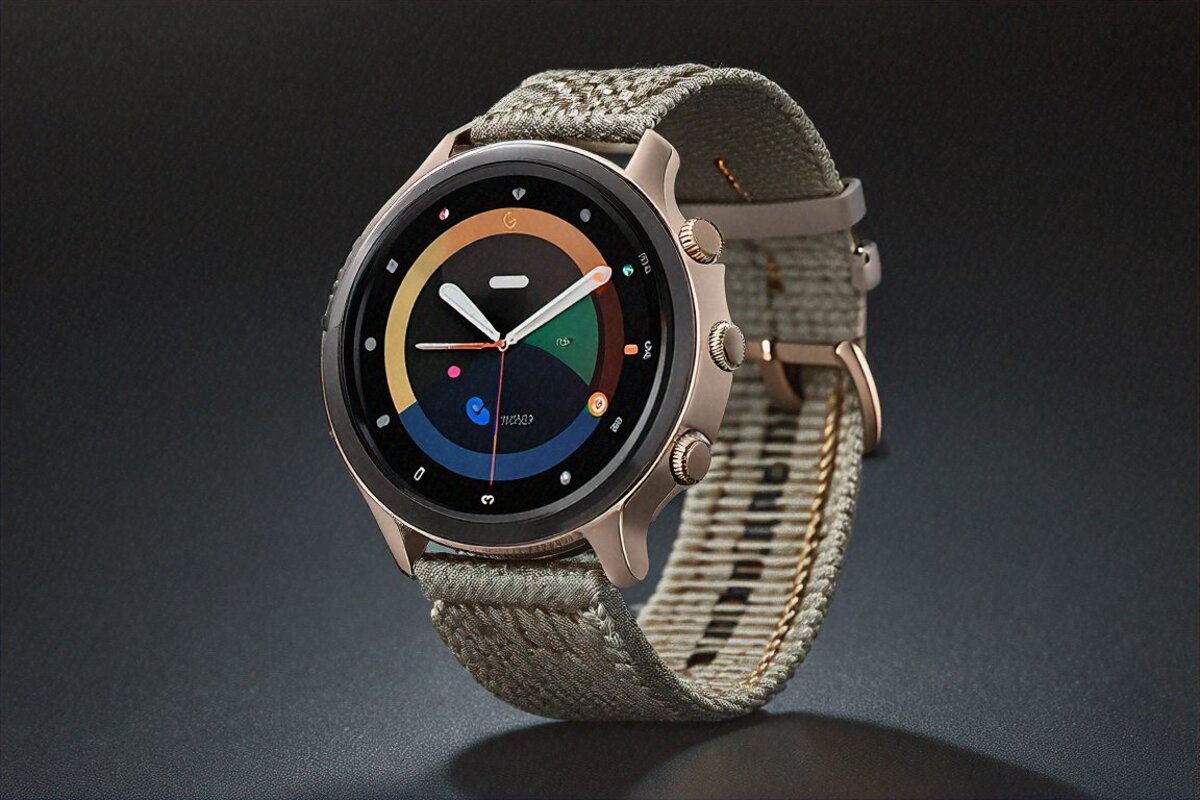
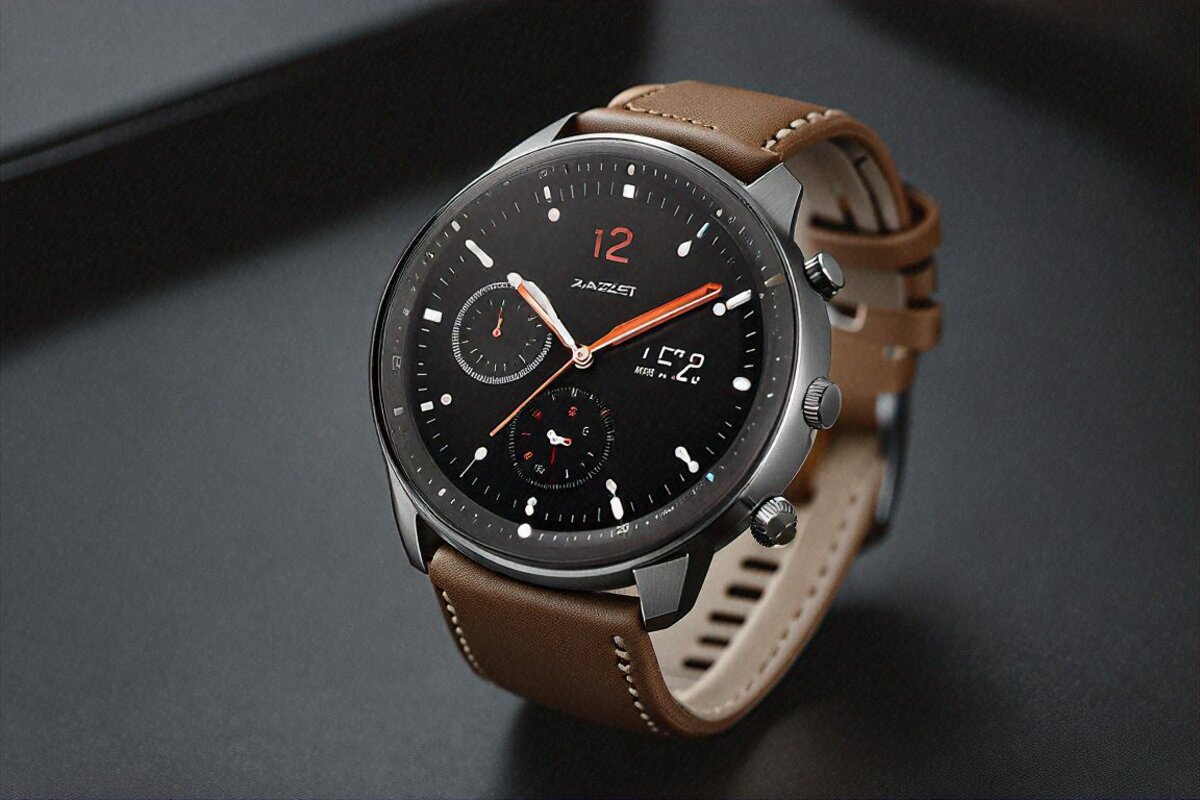
The original Pixel Watch had bezels thicker than my morning chai. The Pixel Watch 2 trimmed them a bit. The Pixel Watch 3? They’ve finally nailed it. The dome glass curves smoothly into the case and the display reaches almost to the edge. For the first time in the series, it looks like a proper premium watch.
The 45mm size lands in a sweet spot — big enough to read data comfortably, small enough that it doesn’t look daft on my 165mm wrist. Want something smaller? The 41mm sits at Rs 34,999, but its tinier battery turns an already-middling runtime into a genuine problem. I’d steer clear.
Four colours: Matte Black, Polished Silver, Hazel, Porcelain. I’ve been on Matte Black, which is understated and goes with everything. The Hazel has a greenish-gold tint that looks surprisingly classy — I saw it at a Google event in Bangalore and nearly regretted my pick.
Band attachment uses Google’s own push-button mechanism. It works fine — click in, click out, two seconds. My issue is that the Pixel Watch band market is tiny next to Apple Watch or even Samsung Galaxy Watch. You’re mostly tied to Google’s own bands, Rs 3,499 to Rs 13,499. Third-party options exist on Amazon, but the quality’s all over the place.
The aluminium case is the material downside against the competition. The Samsung Galaxy Watch 7 Ultra is titanium. The Apple Watch Ultra 3 is titanium. The Pixel Watch 3 is aluminium with dome glass that, while it’s Gorilla Glass 5, doesn’t give the same confidence as sapphire crystal. I’ve been careful and picked up no scratches, but I’m also the sort who flinches when a watch drifts near a wall.
Display: Clean, Round, and Perfectly Readable
1,000 nits doesn’t look impressive on paper. Samsung’s at 3,000. Apple’s at 3,100. But in actual daily use? 1,000 nits is perfectly readable outdoors except under the most brutal noon sun — and even then, a slight cup of the hand gets you a clear view. Indoors and in the evening, readability’s excellent.
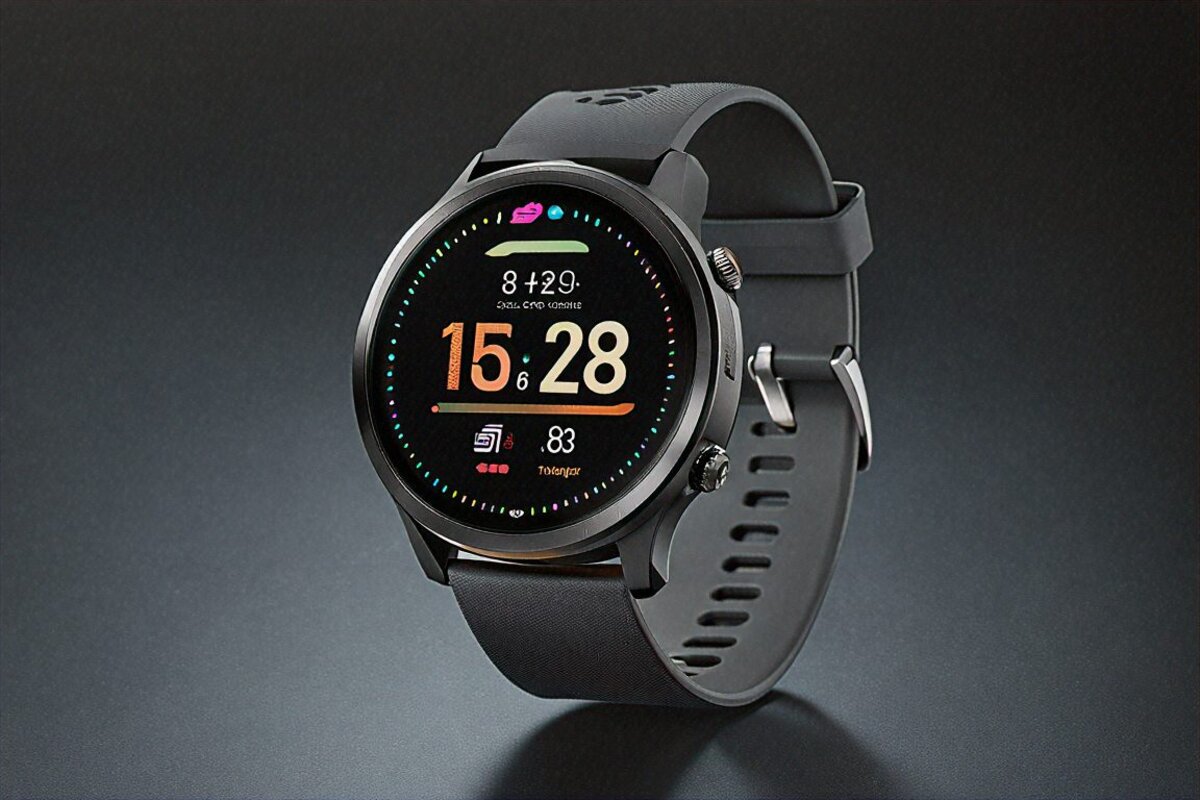
The UI built for the round display is something Google deserves real credit for. Info cards curve along the circular edge. Tiles sweep in from the sides with smooth animation. It feels native to the shape in a way Wear OS never managed on round watches before. Data-dense faces with four complications work well, though five starts to feel cramped.
The Always-On Display shows a dimmed version of your face with the basics — time, steps, maybe one complication. The battery hit is real: 36 hours with AOD against 40 to 42 without. For a data nerd who wants the screen permanently showing something, that’s a tax I’ll happily pay.
Fitbit Integration: The Whole Reason I’m Here
Let me line it up directly against my old Fitbit Sense 2, since that’s the baseline most Fitbit users will be coming from.
Heart Rate Accuracy: I wore both at once for a week (one on each wrist, looked ridiculous). Resting, the readings matched within 1 to 2 BPM consistently. Running, the Pixel Watch 3 tracked about 3 BPM higher on average than the Sense 2. Against a chest-strap reference, the Pixel Watch 3 was actually the closer of the two. Edge to the newer hardware.
Sleep Tracking: Here’s where it gets interesting. The Pixel Watch 3’s sleep analysis hands you a Sleep Score (same as Fitbit’s), plus a breakdown of light, deep, and REM, plus a Sleep Profile that sorts your pattern into animal types (Giraffe, Bear, Dolphin, and so on). My Sleep Score on the Pixel Watch 3 ran about 4 points lower than the Sense 2 for the same nights. Which one’s “more accurate”? No idea — there’s no consumer-accessible ground truth for sleep stages. But the Pixel Watch 3’s data felt closer to how I actually felt in the morning.
Readiness Score: This is the killer feature Fitbit users know and love. It folds sleep quality, recent activity, heart rate variability, and recovery into one daily number. It’s on the Pixel Watch 3 through Fitbit Premium (free for six months, then Rs 499/month or Rs 4,999/year). The scores have been directionally useful for me — high-Readiness days do match feeling energised, low-Readiness days after bad sleep or over-training feel right. I’d put reliability around 75%. Better than guessing, worse than just listening to your body if you’re genuinely self-aware.
Stress Management: It tracks electrodermal activity (EDA) through the day and serves up a stress management score. My Sense 2 had this too. The Pixel Watch 3’s version feels identical in function, which figures — same underlying sensor tech. The data is… interesting? I can see my stress spike during 3 PM meetings and drop on post-lunch walks. Whether that insight actually changes my behaviour is doubtful, but having the data scratches a particular itch.
Beyond Fitbit: The Google Ecosystem Stuff
Where the Pixel Watch 3 leaps past any standalone Fitbit is the full smartwatch experience layered on top. Google Maps with turn-by-turn on your wrist — I’ve used it while cycling and it’s genuinely handy. Haptic taps for upcoming turns, no need to clamp your phone to the handlebars.
Google Wallet handles contactless payments at NFC terminals. Limited use in India for now, but growing. Google Assistant on the wrist is faster and far more capable than Fitbit’s stripped-down voice commands ever were. The Play Store opens up third-party apps — Spotify, Strava, Telegram, dozens more.
Fall Detection and Emergency SOS are safety features I’m hoping never to test for real. The Emergency SOS shares your GPS location with chosen contacts, which is a meaningful safety net for solo runners and older users.
Automatic workout detection picks up walks, runs, cycling, and swimming without you pressing a thing. It needs about 10 minutes of continuous activity to kick in, so very short workouts slip through. But for my usual 30-to-45-minute sessions it works reliably, and I’ve stopped manually starting workout tracking altogether.
Battery Life: The Elephant in the Room
Here it is. The thing that stops the Pixel Watch 3 being an easy recommendation. Thirty-six hours with AOD. That’s it. Which means charging every single night if you want sleep tracking — and if you’re a data person, you obviously do.
My real pattern: up at 6:30 AM, watch on all day with continuous HR, a 40-minute GPS workout, moderate notifications (60 to 80 a day), AOD on. By 10 PM the next day — call it 39 to 40 hours in — I’m at 15 to 20%. That’s cutting it uncomfortably fine for a second night of sleep tracking.
Against the field: the Samsung Watch 7 Ultra does 54+ hours in real use. The Apple Watch Ultra 3 does 60+. The Amazfit GTR 5 Pro does 12 to 13 DAYS. The Pixel Watch 3’s battery is its single biggest weakness, and it isn’t close.
The bundled magnetic charger takes it from 20% to full in about an hour and a bit. I’ve worked out a charging ritual: drop it on the charger while I shower in the morning (around 25% back in 20 minutes) and top it to full before bed. It works. But it’s a ritual I shouldn’t have to develop for a Rs 39,999 watch in 2026.
| Specification | Details |
|---|---|
| Case | 45mm, polished aluminium |
| Display | 1.45-inch AMOLED, 1,000 nits |
| Battery | 36 hrs (AOD on), ~40-42 hrs (AOD off) |
| Water Resistance | 5ATM |
| GPS | Multi-band |
| Health Sensors | HR, SpO2, ECG, skin temperature, EDA |
| OS | Wear OS 5 + Fitbit integration |
| Compatibility | Android 9+ phones |
| Included | 6 months Fitbit Premium |
| Price | Rs 39,999 (45mm) |
Software Polish: Where Google Genuinely Shines
Wear OS 5 on the Pixel Watch 3 is the best version of Wear OS I’ve used. The animations are fluid. The gesture navigation makes sense. The app drawer doesn’t lag. Settings are laid out logically. It feels like software made by people who actually use the watch every day, not a desktop interface shrunk down to a tiny screen.
Notifications are handled well. You get full message previews, you can scroll through a conversation, and on Android you get quick-reply options — voice-to-text, canned responses, and a tiny QWERTY keyboard that’s fiddly but functional. Coming off Fitbit’s bare-bones notifications, where you could see a message but not do a thing about it, the upgrade is enormous.
The watch face library is rich. The Fitbit-derived faces are data-dense and health-focused. The Google-designed ones are clean and modern. Third-party faces via Facer and WatchMaker are there, but they tend to drain the battery faster than native options. I’ve settled on one called “Health at a Glance” that shows steps, heart rate, Readiness Score, and active zone minutes all at once.
GPS Tracking: Running Data Deep Dive
Multi-band GPS (Google doesn’t explicitly say L1+L5) performed well in my testing. I ran the same 5km route near Cubbon Park twelve times — six with the Pixel Watch 3, six with a Garmin Forerunner 265 on the other wrist.
Average distance variance: 1.8%. The Pixel Watch consistently read a touch longer — 5.07 to 5.12 km against the Garmin’s 4.98 to 5.03 km for the same route. Neither’s definitively “right” without a measured course, but the gap’s small enough that pace numbers stay meaningful.
GPS lock averaged 8 seconds in the open. In dense urban patches, up to 25. Not instant, not awful. The Garmin locked in 3 to 5 seconds every time. If you’re stood at a start line fidgeting, the Garmin takes this one.
Post-run analysis in the Fitbit app lays out route maps, pace charts, heart rate zones, cadence, and Active Zone Minutes. The presentation is clean. I export the lot to a personal spreadsheet regardless, but for anyone who just wants to open an app and see how the run went, it’s solid.
Pros
- The most polished Wear OS experience available, period
- Fitbit health integration — Readiness Score, Sleep Profiles — is genuinely best-in-class
- Google Maps navigation on the watch is incredibly useful
- Emergency SOS with GPS sharing provides real safety value
- Design is elegant and understated — looks like a real watch
- Six months of free Fitbit Premium sweetens the deal
Cons
- 36-hour battery means daily charging is mandatory — no exceptions
- Aluminium case isn’t as durable as titanium competitors at this price
- Rs 39,999 is hard to justify given the battery compromise
- Android only — iPhone users need not apply
- Fitbit Premium goes paid after six months (Rs 499/month)
Comfort, Water Resistance, and Everyday Durability
The Pixel Watch 3 is comfortable. Really comfortable. At 36 grams without the band, it’s the lightest premium smartwatch I’ve tested this year. Sleep tracking means wearing it overnight, and unlike the Samsung Ultra’s square edges or the Apple Ultra’s 49mm bulk, the Pixel Watch 3’s rounded dome and slim profile don’t dig in when you sleep on your side. I forgot I had it on most nights, which is about the highest praise a sleep tracker can earn.
5ATM water resistance covers swimming and rain. I’ve swum laps with it, showered daily without taking it off, and got caught in two separate Bangalore downpours. No trouble. The touchscreen doesn’t work underwater (no smartwatch screen does reliably), but the physical crown lets you pause or end a swim workout without touching the glass.
The aluminium case hasn’t scratched in four weeks — but I’ve been careful. A friend with the Pixel Watch 2 scratched his dome glass within a month of ordinary use. Gorilla Glass 5 is good; it’s just not sapphire. If you’re rough with your watches, get a screen protector. They’re Rs 200 to 300 on Amazon and barely noticeable once on.
One durability worry: the proprietary band attachment point is plastic, not metal. Under heavy stress — say, snagging the band on something while your arm’s moving — it could snap. Hasn’t happened to me, but I’ve seen reports online. Standard watch lugs would’ve been the safer engineering call.
The Data Nerd’s Verdict
I’ve been staring at my comparison spreadsheet for the better part of an evening. Forty-three data points across five categories, weighted by what matters to me. The Pixel Watch 3 scores highest on software quality, health data depth, and ecosystem integration. It scores lowest on battery and hardware durability. The overall weighted score puts it third in my 2026 smartwatch ranking, behind the Apple Watch Ultra 3 (if you’re on iPhone) and the Samsung Galaxy Watch 7 Ultra (if you prize battery and build).
But a ranking doesn’t capture how a device feels. And the Pixel Watch 3 feels right in a way the Samsung — with its divisive square — and the Apple — with its huge 49mm case — don’t. It feels like a watch, not a small computer lashed to your arm. The round shape, the dome glass, the smooth UI animations — there’s an intentionality to it that I appreciate as someone who already spends the whole day staring at screens.
The Fitbit integration is the real pull. If you’ve built years of health data in Fitbit — sleep trends, weight logs, activity history — the Pixel Watch 3 is the only smartwatch that carries all of it forward. Move to Samsung and you start from zero in Samsung Health. Move to Apple and you start from zero in Apple Health. The Pixel Watch 3 is continuity.
But then there’s that battery. Four weeks in, I still notice it. Still feel that faint anxiety when I see 30% at 8 PM and know I want sleep data tonight. Still wish I could just… not think about charging for two or three days, the way Samsung and Apple users get to.
I keep flip-flopping on whether to recommend this flat out or with heavy caveats. I’ve rewritten this paragraph four times now, and the honest answer is that I still don’t
Price in India
The Google Pixel Watch 3 (45mm) is Rs 39,999 in India. The 41mm comes in at Rs 34,999. Available on Google Store India and Flipkart.
Full Specifications
| Case | 45mm Aluminium |
|---|---|
| Display | 1.45-inch AMOLED 1000 nits |
| Battery | 36 hours AoD on |
| Water | 5ATM |
| GPS | Multi-band |
| OS | Wear OS 5 with Fitbit |
| Compatibility | Android 9+ |
Pros
- Best Wear OS 5 experience
- Deep Fitbit Readiness Score
- Google Maps on watch
- Emergency SOS GPS
- Elegant circular design
Cons
- Only 36 hours daily charge
- Aluminium vs titanium
- Expensive ₹39,999
- Limited iOS functionality
Our Rating: 8.5/10 · Price: ₹39,999
0 Comments