
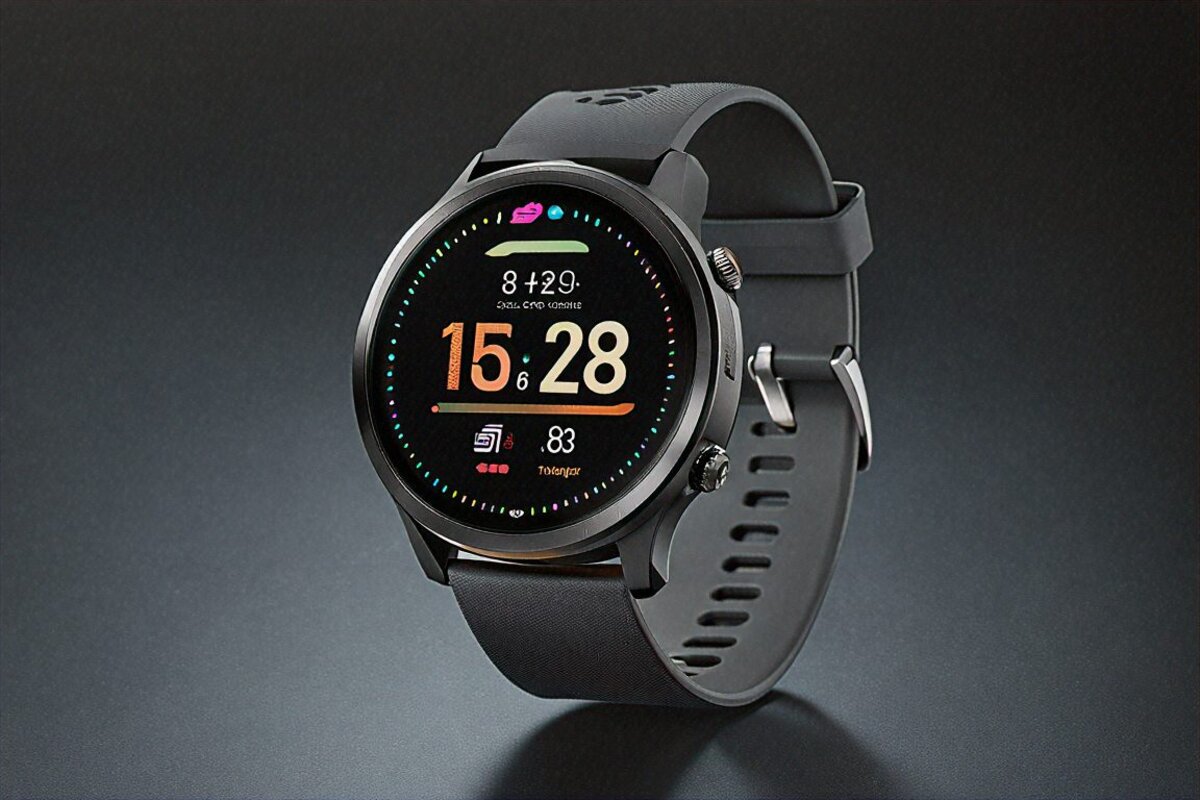
I Swapped a Rs 44,999 Samsung for a Rs 4,999 Noise. For Two Weeks Straight.
The rule I set myself was simple. Take off the Samsung Galaxy Watch 7 Ultra, leave it in a drawer, and wear only the Noise ColorFit Pro 6 for fourteen days. The Noise costs less than a Friday dinner for two in Bangalore. Everything goes through it now — workouts, sleep, notifications, the lot. Write down each time it surprised me and each time it let me down.
I’ll be honest about my bias going in. I review premium wearables for a living, and the idea that a watch costing one-ninth of my Samsung could feel anything but cheap struck me as faintly absurd. Rs 4,999 versus Rs 44,999. The gap in experience, I figured, would be just as wide as the gap in price.
It wasn’t. That mismatch is the most interesting thing I’ve run into in months of testing gadgets.
What’s in the Box
Not much, and that’s fine. Watch, silicone strap already clipped on, a magnetic charging cable, a thin booklet you’ll never open. No display case, no slow-reveal unboxing ritual. At this money you’re not paying for theatre — every rupee lands on the watch itself. I’d rather have that.
Build Quality, Where I Braced for the Worst
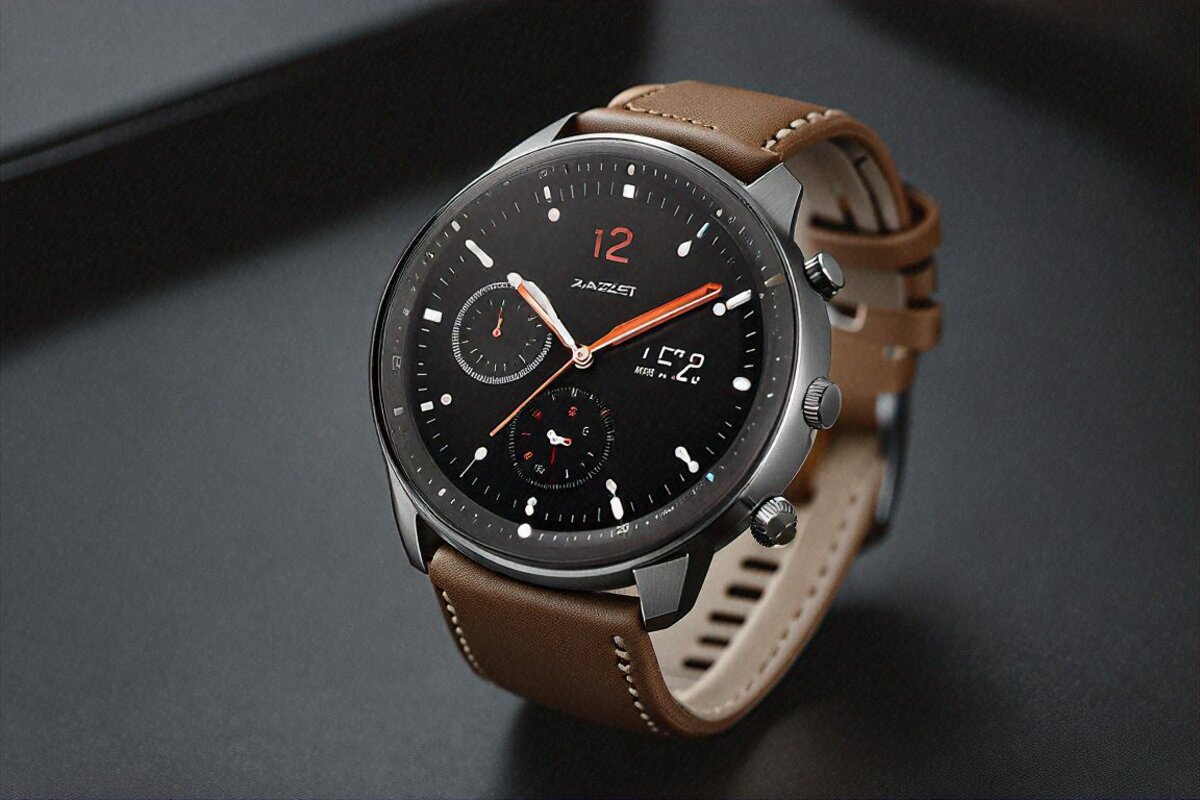
I picked it up and flipped it over. Plastic back. Here we go, I thought. The front is scratch-resistant mineral glass — not sapphire, not branded Gorilla Glass, just generic toughened glass. The frame’s polished aluminium, which keeps it from looking like a toy. It comes in a few colours; I had the black one, the most low-key of the bunch and the one most likely to pass for something pricier from across a room.
The strap is fine. Just fine. Comfortable through a full day, doesn’t itch, the clasp holds. It isn’t the soft fluoroelastomer you get on an Apple band, but at this price a strap is a strap. I stopped thinking about it after day two.
Over the fortnight it took two gym sessions, a couple of rain-soaked auto rides, and one evening where I forgot I was wearing it and did the washing up. The IP68 rating shrugged all of it off. No water got in. The aluminium did pick up a hairline scratch on day eight when it caught a metal door handle, but you’d only spot it if you went hunting.
So my worry about the build turned out to be mostly nerves. This isn’t a premium watch and never claims to be. But it’s solid on the wrist, it doesn’t creak, and it doesn’t feel like it’ll shed parts if I wave my arms around mid-conversation. That’s more than Rs 4,999 used to get you.
The AMOLED Has No Right to Look This Good
Right. This is the bit that turned me around. A 1.96-inch AMOLED for Rs 4,999. I can remember when this price meant a washed-out LCD you couldn’t read past a 30-degree tilt. That era’s gone.
The screen is properly good. Sharp text, punchy colour, blacks that actually look black. Peak brightness is 600 nits, so no, it won’t trade blows with a 3,000-nit flagship, but it stays legible outdoors in most light. Stand under harsh noon sun and you’ll squint. A 7 AM run? Crystal clear. Glancing at a notification in the evening? Lovely.
There’s an always-on mode too, showing a stripped-back clock and a few stats. It costs you roughly a day of battery, but the fact it exists at all here is the surprise. The NoiseFit app offers over 100 faces, from sporty digital readouts to ones aping analogue luxury watches. A handful look genuinely smart. A handful are eyesores. Either way, choice is welcome.
Text is clean enough that I read full WhatsApp messages off it without leaning in. Notification cards show the sender, the subject, and enough preview to decide whether the phone’s worth digging out. For a budget watch this screen gets you maybe 80% of what my Samsung shows. Eighty percent of the experience at a ninth of the cost. Sit with that for a second.
Health Tracking: What I Expected vs What I Got
Here’s where I assumed the floor would give way. Premium watches throw multi-LED sensor arrays, years of algorithm tuning, and serious R&D at the problem. Budget watches use budget sensors. That’s the logic, anyway.
Half true. The ColorFit Pro 6 tracks continuous heart rate, SpO2, stress, and sleep. So I wore it on one wrist and the Samsung on the other for three days of overlap and compared the numbers.
Resting heart rate: within 3-5 BPM of the Samsung, every time. Fine for spotting trends, not for anything medical — though, to be fair, the Samsung isn’t certified for that either.
Heart rate while exercising: this is the part where it wobbles. On a moderate treadmill run it read 5-12 BPM off the Samsung, sometimes high, sometimes low. Not random, but not tight. You’d know roughly whether you were in zone 3 or zone 4. The exact figure, I wouldn’t trust.
SpO2: read 1-2% under both the Samsung and a fingertip pulse oximeter, consistently. Probably just calibration. The trend held steady, and the trend is the point.
Sleep: caught my sleep and wake times within about 15 minutes of the Samsung. It won’t split light, deep, and REM as finely — you get a total sleep score and a rough stage estimate. Enough to know if you slept badly. Not enough to obsess over.
Stress: built off heart rate variability. It moved in the right direction — higher when work got tense, lower over a calm evening — but the resolution’s coarse, and I wouldn’t make a single decision based on it.
The 100+ sports modes read well on a spec sheet. In real use, most are just “track your heart rate while you do a thing.” No running dynamics, no form analysis, no recovery scores. Start a workout, it logs time, heart rate, and a calorie estimate. Coming from zero tracking, that’s brilliant. Coming from a Garmin, it’s bare-bones.
And then the big gap: no GPS. The watch leans entirely on your phone’s GPS for anything location-based. Run without the phone and you get heart rate and time — no distance, no pace, no map. For the many people who jog around their society or on a treadmill, that’s a non-issue. For road runners and cyclists, it’s the reason to walk away.
Bluetooth Calling: Better Than It Has Any Right to Be
This one genuinely caught me out. The built-in mic and speaker take Bluetooth calls, and they’re actually usable. My voice wasn’t pristine — one caller said I sounded “like you’re in a slightly echoey room” — but for anything under a couple of minutes it does the job. Taking a call mid-cooking, checking on a delivery guy, pinning down a time with a friend. Those little wrist conversations work.
Anything longer, reach for the phone. The speaker turns tinny after a minute or two and background noise starts leaking in. But nobody buying a Rs 4,999 watch is planning to run a 30-minute conference call off their wrist.
Hearing the other person is the weaker half. Max volume is barely enough in a loud spot. Quiet room indoors, it’s fine. On a busy street you’ll lose half of what they say.
Seven-Day Battery, and No, That’s Not a Lie
Noise says seven days. With always-on off, a normal 50-70 notifications a day, continuous heart rate, and no Bluetooth calls, I got six and a half before it hit 10%. Switch always-on on and that fell to about five. Add a few short calls a day, around five and a half with always-on off.
However you cut it, this thing clears a full working week on one charge. After the Pixel Watch 3’s 36 hours and the Samsung’s 54, that felt like a holiday. Charge it Sunday night, ignore it until Saturday. There’s a quiet relief in just not having to think about your watch’s battery.
A full charge off the magnetic cable takes around two hours. Not quick. But you’re doing it once a week, so who’s counting?
The NoiseFit App: It Does the Job
On Android and iOS both. The layout’s clean enough. You manage watch faces, check health trends, sort out notifications, and push firmware updates. The health dashboard charts heart rate, steps, sleep, and SpO2 by day, week, and month.
Next to Samsung Health or Fitbit, the insights stay shallow. You get the charts and the numbers, not much in the way of reading them for you. Samsung will say “your deep sleep is 30% below average, try this.” NoiseFit hands you a bar chart and wishes you luck. If you’re comfortable reading your own data, no problem. If you wanted coaching, this isn’t it.
Notifications are simple to wrangle. Pick which apps reach the watch and they land as cards you read and swipe away. WhatsApp shows the full message, Gmail the sender and subject. No quick-reply on iOS; Android gets canned responses. No voice-to-text from the watch either.
| Specification | Details |
|---|---|
| Display | 1.96-inch AMOLED, 600 nits |
| Battery | Up to 7 days |
| Bluetooth | 5.3 with calling |
| Water Resistance | IP68 |
| Sports Modes | 100+ |
| Sensors | HR, SpO2, temperature, stress |
| GPS | None (uses phone GPS) |
| Compatibility | Android & iOS via NoiseFit app |
| Price | Rs 4,999 |
My Notes, Day by Day
Day 1: Setup was painless. Paired in under two minutes. Straight away I missed the Samsung’s rotating bezel — the touch-only interface here works, it’s just less satisfying.
Day 3: First Bluetooth call off the watch. A colleague had no idea I was on a watch until I said so. Quietly chuffed.
Day 5: Gym day. Heart rate held up reasonably through weights, then lost the plot during HIIT — it reported 135 BPM while I was clearly gasping at what felt like 160-plus. Checked it later against the Samsung’s data from a similar session the week before. Yep, it under-reads when you’re flat out.
Day 7: One week in. Battery at 14%, still on the original charge. Price aside, that’s impressive.
Day 9: Wet commute. The watch didn’t blink. Water cleared off the screen fast and touch stayed responsive.
Day 11: Realised I’d stopped missing the Samsung. Not because the Noise is better — it isn’t, on almost any measure. But the things I actually do with a watch all day — check the time, read notifications, count steps, grab the odd call — it handles without fuss.
Day 14: Test done. Back on the Samsung, and I felt every advantage a Rs 44,999 watch buys — sharper screen, smoother scrolling, deeper health data, GPS, slicker notifications. But here’s the thing: across those two weeks on the Noise, I never felt deprived the way I’d braced for.
Pros
- 1.96-inch AMOLED at Rs 4,999 is genuinely remarkable
- Seven-day battery life means weekly charging
- Bluetooth calling works well enough for short conversations
- 100+ sports modes cover most common activities
- IP68 handled real-world water exposure without issues
- Build quality exceeds what Rs 4,999 used to buy
Cons
- No GPS — outdoor activity tracking depends on your phone
- Health sensor accuracy lags premium watches by meaningful margins
- Plastic back panel feels budget when you flip the watch over
- NoiseFit app provides data without interpretation or coaching
- Speaker volume insufficient for calls in noisy environments
The ColorFit Pro 6 Against the Other Budget Watches
At Rs 4,999 the shelf is crowded. Quick rundown, based on living with each of these.
The Fire-Boltt Phoenix Ultra, around Rs 3,999, has a similar AMOLED and Bluetooth calling. But its heart rate sensor was noticeably worse side by side — off by 8-15 BPM during exercise against the Noise’s 5-12. The frame felt cheaper too and creaked when I pressed it. Battery was much the same, about six days.
The boAt Wave Sigma at Rs 4,499 runs it close. Good screen, good battery, working Bluetooth calls. Where it slips is software — boAt’s app is rougher than NoiseFit, firmware lands slower, and there are fewer watch faces. On raw hardware it’s a coin toss. On software, Noise edges ahead.
Amazfit’s Bip 5, around Rs 5,999, is the curveball because it packs GPS — the one thing the ColorFit Pro 6 sorely lacks. If you run or cycle outdoors, that extra Rs 1,000 for GPS is worth every paisa. But the Bip 5’s display, decent as it is, can’t match the Noise’s AMOLED for punch, and it skips Bluetooth calling. Trade-offs everywhere down here.
Where I land: the ColorFit Pro 6 wins if you want the best screen plus Bluetooth calling under Rs 5,000. The Bip 5 wins if outdoor fitness and GPS are the priority. Everything else sits a rung below those two.
How It Held Up After Two Weeks
The aluminium frame did well. The strap showed nothing — no fading, no stretch, no irritation. The glass came through unscratched despite my carelessness (I never put a protector on it). And the charging pins met the magnetic puck cleanly every single time, which sounds trivial until you’ve fought a budget watch whose pins never line up. The Noise just clicked on.
The one physical niggle: the side button (power and back) has a faint wobble. It clicks fine and works fine and doesn’t hurt anything. But if you fidget with it during calls — as I tend to — you’ll feel it’s not as tight as a button on a Casio G-Shock. At Rs 4,999 I’m logging it, not griping about it.
What This Says for Smartwatch Buyers in India
The ColorFit Pro 6 isn’t competing with premium watches. It’s competing with owning no watch at all — and on that score it’s excellent. Never had a wearable? Curious about steps and heart rate but can’t stomach Rs 20,000-plus? Want Bluetooth calling without dropping five figures? This is the watch that gets you through the door.
It’s a first smartwatch, not a forever one. Get serious about fitness data and you’ll outgrow it. Start running outdoors and you’ll crave GPS. Tire of raw numbers and you’ll want real insight. But that reckoning is a year or two out, and by then there’ll be a ColorFit Pro 7 or 8 at the same price doing more.
What keeps nagging at me is the curve of diminishing returns. Going from no watch to this one is a huge jump in daily life. Going from this to a Galaxy Watch 7 Ultra is a smaller jump for nine times the money. Your first Rs 4,999 buys 70% of the smartwatch experience. The next Rs 40,000 buys the last 30%.
Whether that last 30% is worth it to you — only you can answer that. For a lot of people, honestly, it won’t be.
Price in India
The Noise ColorFit Pro 6 sells for Rs 4,999. You’ll find it on Gonoise.com, Amazon India, and Flipkart, and it drops to Rs 3,999 fairly often during sale events.
Full Specifications
| Display | 1.96-inch AMOLED 600 nits |
|---|---|
| Battery | 7 days |
| Bluetooth | 5.3 calling |
| Water | IP68 |
| Sports Modes | 100+ |
| Sensors | HR SpO2 Temperature Stress |
Pros
- Excellent AMOLED at ₹4,999
- 7-day battery
- Bluetooth calling
- 100+ sports modes
- IP68
Cons
- Limited health accuracy
- No built-in GPS
- Plastic back
- Fewer insights vs premium apps
Our Rating: 7.8/10 · Price: ₹4,999
0 Comments