
Your Phone Brand Wants Your Wrist Too
Nobody in tech likes saying it out loud, but lock-in is the whole game. An Apple Watch only pairs with an iPhone. A Galaxy Watch behaves best on a Samsung. The Pixel Watch is tuned for Pixels. Amazfit shrugs at your phone brand entirely, but its software is so thin that calling it a “smart” watch feels generous.
That’s the gap OnePlus is aiming at with the Watch 3 at Rs 24,999. The pitch caught my attention: proper Wear OS 5, so you get Google’s actual app ecosystem rather than a walled garden, paired with OnePlus tricks like 100W SUPERVOOC charging. It’ll run on any Android phone but behaves best on a OnePlus. So you’re not locked in. You’re just… nudged.
I wore it for four weeks and kept swapping the phone behind it — a OnePlus 13, then a Samsung Galaxy S25, then a Pixel 9 Pro — to see how much the experience actually shifts. The answer turned out messier than I’d guessed.
The Hardware Finally Earns Its Spot
The first OnePlus Watch was, let’s not pretend otherwise, forgettable. The Watch 2 fixed most of that. The Watch 3 is the first one I’d put in the same sentence as Samsung and Google without wincing. Not ahead of them. But in the room, which the early models never were.
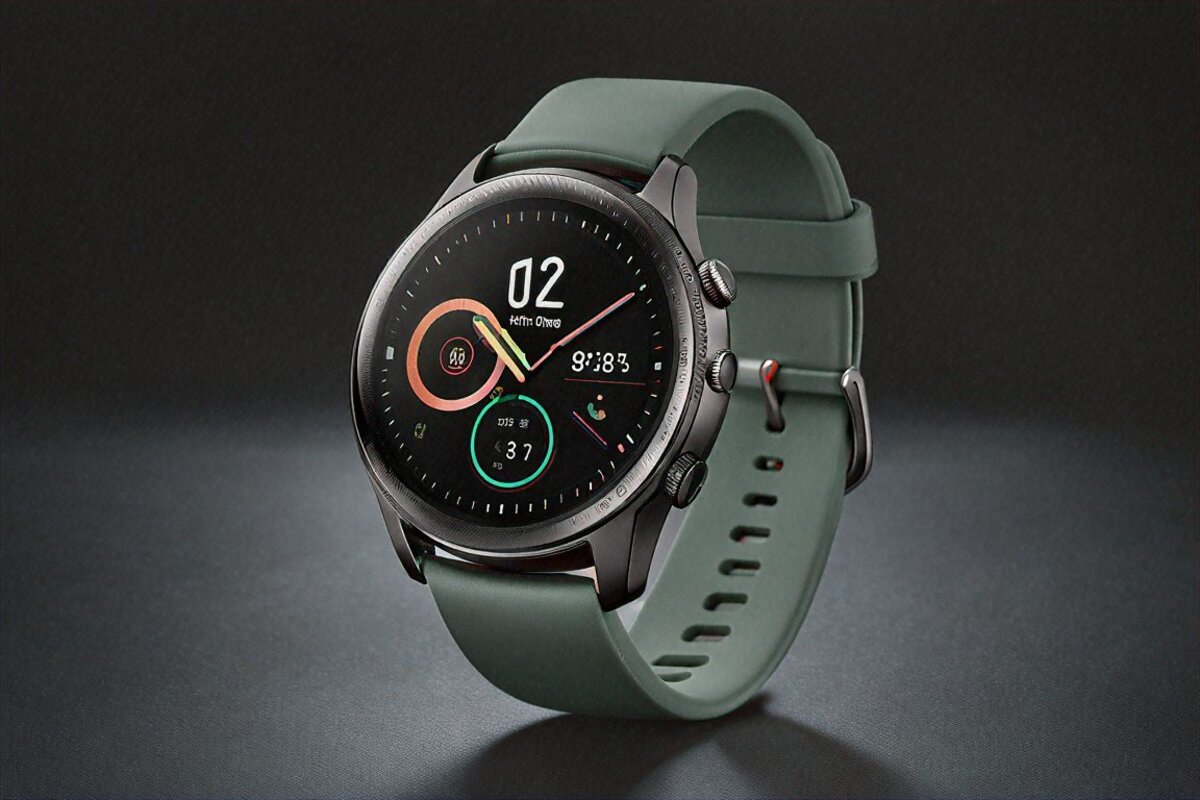
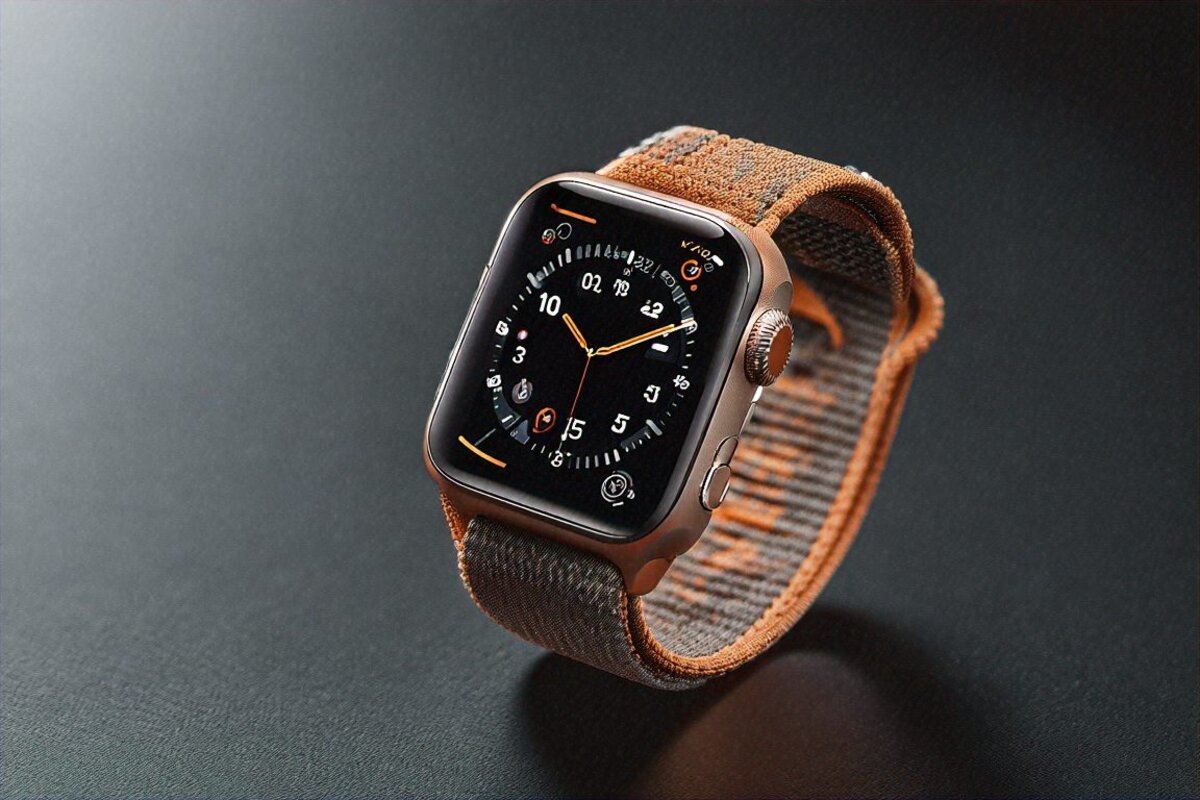
It’s a 47mm round case in aluminium. Titanium would’ve been lovely at this price and you won’t get it, but the aluminium is finished well, with a brushed texture down the sides and a polished bezel ring. The display sits behind mineral glass. I’d have taken sapphire, sure, yet four weeks in there’s not a scratch I can find, so maybe I was worrying about a problem that doesn’t exist for most people.
Two buttons on the side. The top one’s a crown wearing OnePlus’s orange accent, a small flourish that looks great in photos and gives the thing a bit of identity. The lower button jumps straight into a workout by default, though you can remap it. Having physical buttons alongside the touchscreen genuinely speeds up scrolling through long lists, more than I expected it to.
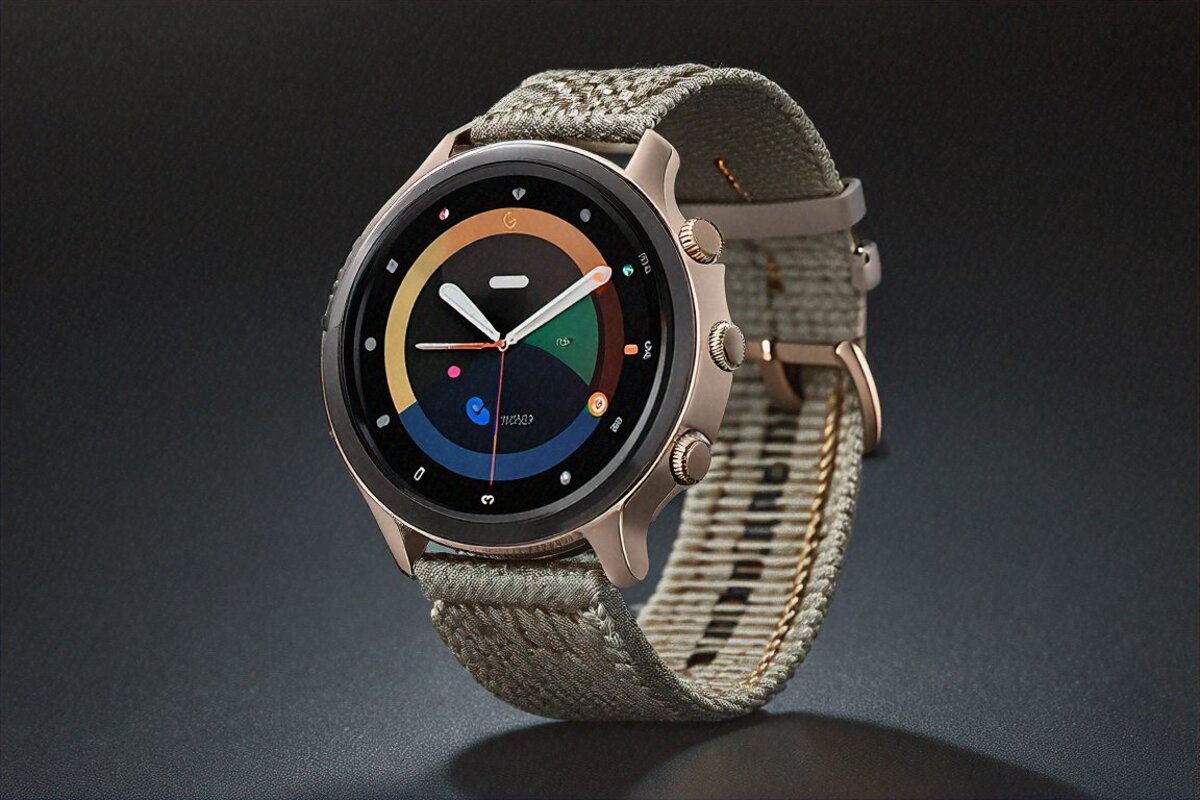
The silicone strap in the box is comfy and tough. The lugs are standard 22mm quick-release, which means the entire aftermarket strap world opens up. I put a leather band on for meetings and a nylon one for the gym. At Rs 24,999 that flexibility isn’t a nice-to-have, it’s the bare minimum.
With the strap on it’s 49 grams, which is light for the size. It didn’t bother me overnight during sleep tracking, and I can’t say that about the Apple Watch Ultra 3 or even the Galaxy Watch 7 Ultra, both of which I kept noticing on my wrist at 3am. The 5ATM rating shrugs off swimming, rain, and a sweaty session without any drama.
2,000 Nits on a Watch This Cheap
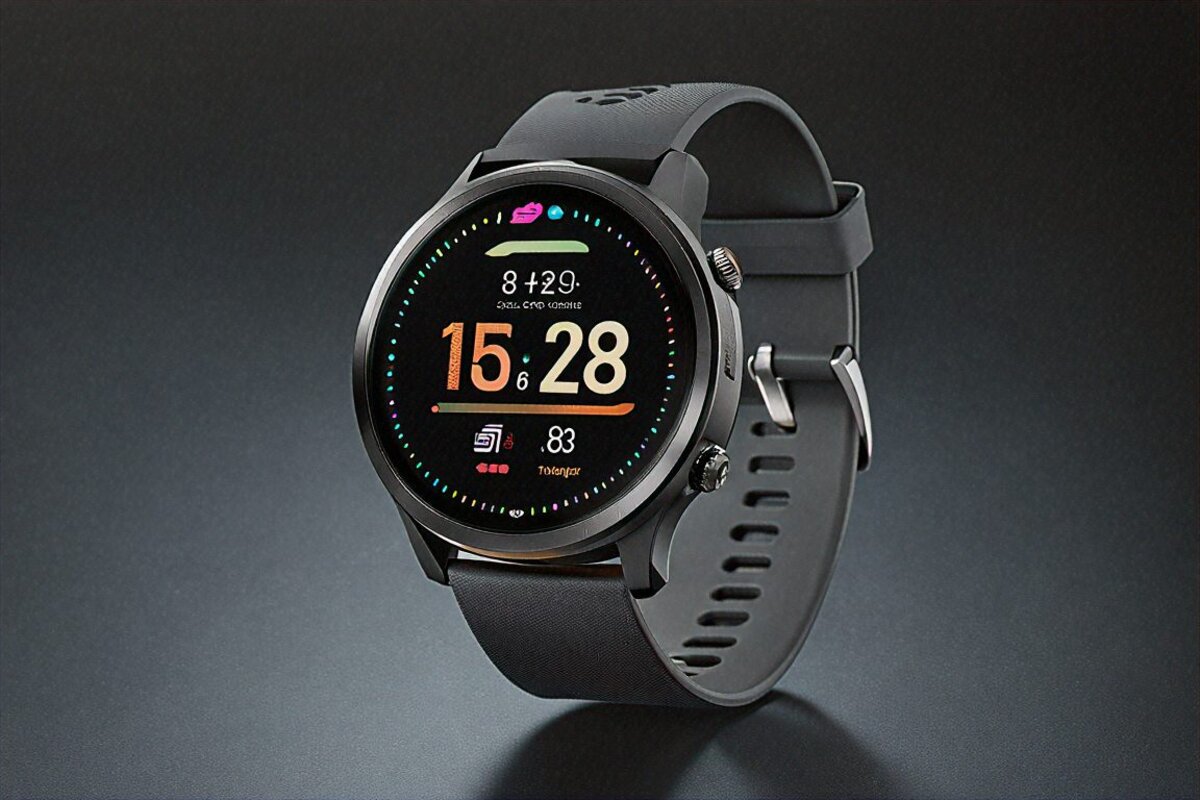
The 1.43-inch AMOLED hits 2,000 nits at peak, which is frankly silly for the money. Two thousand. The Apple Watch SE doesn’t reach that. Plenty of Garmins don’t manage half. Out under a Delhi summer sky or the flat glare of a Chennai afternoon, I never once had to cup my hand over it to read the time.
The 60Hz refresh makes scrolling and animation feel a step smoother than the 30Hz you get on cheaper watches. It’s not 120Hz, and you’ll catch a faint shimmer of interpolation on a fast swipe, but it’s fluid enough that the software reads as responsive rather than sticky.
Always-on display is where the battery sums get interesting. Leave it on and the claimed 100 hours drops to about 70 in my hands. Switch it off and you’re looking at 85 to 90. Either way that’s three to four days, which parks the Watch 3 neatly between the charge-it-nightly Pixel Watch 3 and the fortnight-long Amazfit GTR 5 Pro.
Colour looked right to my eye. Faces with gradient backgrounds and colour-coded complications came through clean, no banding, no odd tint creeping in when you tilt it. Blacks go properly dark, as AMOLED tends to. Honestly the screen might be the single best thing about this watch.
The 100W SUPERVOOC Story
Here’s the headline, and it earns its own section because it actually rewires how you live with the watch. 100W SUPERVOOC. Proprietary charger, magnetic puck, and the speed is no exaggeration.
I timed it. More than once. Zero to 100%: 18 minutes. Not roughly 18 — the same 18 minutes across five separate runs. Zero to 50% in 7. And from that 10% “oh no it’s about to die” reading to enough for a full day, maybe 8 to 10 minutes.
What that buys you, day to day, is permission to forget. Wake up, glance at 12%, plug it in while you brush your teeth, and it’s full before you’ve found matching socks. The low-grade dread around smartwatch battery, which haunts pretty much everything else in this category, just stops being a thing you think about.
It changed how I treated the watch. I stopped charging it before bed. I didn’t pack the charger for a two-day trip and didn’t sweat it (the puck is tiny enough to chuck in any bag anyway). I’d just top it up for 15 or 20 minutes whenever I happened past it. Reviews underrate what fast charging does to your head, not just your battery readout. It nudges your behaviour.
The catch is the proprietary charger. Lose it and you’re hunting down a OnePlus-specific replacement, because no, you can’t drop it on a random Qi pad the way you can with a Samsung watch. Small price for the speed, but you should know it going in.
Battery, Setting the Charging Aside
Even if you ignore the fast charging, the cell itself is big for a Wear OS device. OnePlus quotes 100 hours in what it calls smartwatch mode (Wear OS running normally with sensible settings) and 12 days in a stripped-back mode that ditches most of the smart bits.
My numbers, with Wear OS fully live, continuous heart rate, 60 to 80 notifications a day, AOD off, and three 40-minute GPS workouts a week: about 85 to 90 hours. Call it three and a half days. Turn AOD on and it’s nearer 70, so just shy of three.
For a Wear OS watch that’s genuinely rare. The Pixel Watch 3 manages 36 to 40 hours. The Galaxy Watch 7 Ultra does 50 to 55. The OnePlus comfortably outlives both. It’s not Amazfit land — that 13-day Zepp OS figure is a different sport — but for a watch carrying full Wear OS and the Play Store, three and a half days is a real achievement.
Wear OS 5: Everyone Gets the Good Stuff
Running Wear OS 5 hands you the whole Google spread. The Play Store for apps, so Spotify, Strava, Telegram, Google Keep and hundreds more. Maps with turn-by-turn on your wrist. Google Wallet for tapping at terminals that take it. Assistant for voice. Offline YouTube Music if you pay for it.
OnePlus layers its OHealth on top to handle the health side. The phone app gathers your heart-rate trends, sleep, activity, and workout history in one place. It’s tidy and it works, if not as data-stuffed as Samsung Health or as coaching-heavy as Fitbit. A reasonable middle.
Notifications are handled properly here. Full message previews, voice replies, canned responses, or a tiny keyboard if you must. WhatsApp replies go through. So do Gmail ones. That alone puts daylight between this and Amazfit’s read-only approach, which always felt half-finished to me.
App performance is smooth. Whatever silicon OnePlus dropped in here (they keep the exact chip quiet, though it’s most likely a Snapdragon W5+ Gen 1 or close) chews through app launches, scrolling and multi-step taps without stalling. After the Pixel Watch 2, which used to hitch on me, this felt quick.
The Three-Phone Test
This is what I promised up top. One watch, three phones, four weeks. So how does it behave on each?
With OnePlus 13: the best of the three, no surprise. Camera remote works, so you can use the watch as a viewfinder and shutter. Find My Phone runs both ways. OHealth ties in tightest, notifications land fastest, and call audio out of the watch speaker (if you switch it on) comes through clear. Already own a OnePlus phone? This is the obvious match.
With Samsung Galaxy S25: about 95% of that. I lost the camera remote and a couple of OnePlus quick settings. Everything else — Wear OS apps, Google services, health tracking, notifications, call forwarding — ran the same. Samsung Health won’t sync with OHealth, so you’d pick one and split your data, which is more irritating than it sounds but you live with it.
With Pixel 9 Pro: much like the Samsung, roughly 95%. Google’s own apps (Maps, Assistant, Wallet) actually felt a touch snappier on the Pixel, probably down to tighter optimisation on Google’s side. Lost the OnePlus camera remote again. Otherwise no difference worth noting.
So the headline is: this isn’t a locked-down product. The Watch 3 plays nicely with any Android phone. Drop the OnePlus pairing and you give up a few brand-specific features, none of which gut the experience. After Samsung, where leaving the Galaxy family costs you real functionality, that openness feels refreshing.
Health and Fitness: A Solid Middle
You get continuous heart rate, SpO2, stress via HRV, sleep tracking with stage breakdowns and snore detection, skin temperature, running analysis with cadence and stride, and over 100 sport modes. Plenty on paper.
Against a chest strap, heart rate landed within 3 to 5 BPM at steady effort and 6 to 10 BPM through hard intervals. That’s roughly Samsung and Pixel territory, a step behind Apple’s newest sensors. Fine for tracking your fitness, not the thing you’d lean on for anything clinical.
Sleep tracking is what got me. The snore detection records little audio clips — I was equal parts mortified and grateful to learn I snore loudly on my back. Its sleep apnoea risk check flagged me as low risk, which matched how I generally feel. And the light/deep/REM split held steady night to night and tracked with how rested I actually was.
Running analysis is basic but handy. Cadence, stride length, ground contact, and a rough form score. Mine climbed from 58 to 67 across four weeks of doing roughly what it nagged me to do, mostly quicker cadence and a shorter stride. Whether that’s the coaching or just my legs adapting to running again, I honestly can’t tell you for sure.
GPS runs dual-band. It locked on well in the open and held up acceptably between tall buildings. Not the L1+L5 precision of an Apple Watch Ultra 3 or a high-end Garmin, but more than enough for anyone running or cycling for fun who wants honest distance and pace.
| Specification | Details |
|---|---|
| Display | 1.43-inch AMOLED, 2,000 nits, 60Hz |
| Battery | ~85-90 hrs real-world (AOD off) |
| Charging | 100W SUPERVOOC — 18 min to full |
| Water Resistance | 5ATM |
| GPS | Dual-band GPS + GLONASS |
| Sensors | HR, SpO2, temperature, stress |
| OS | Wear OS 5 |
| Compatibility | Android phones (best with OnePlus) |
| Price | Rs 24,999 |
Pros
- 100W SUPERVOOC charging — 0 to 100% in 18 minutes, no exaggeration
- 85-90 hour real-world battery is best-in-class for Wear OS
- Full Wear OS 5 with Play Store, Maps, Assistant, Wallet
- 2,000-nit display is visible in any lighting condition
- Works well with ANY Android phone, not just OnePlus
- Standard 22mm straps — full aftermarket compatibility
Cons
- No iPhone compatibility (Wear OS limitation)
- Aluminium build when competitors offer titanium at similar prices
- Health sensor accuracy is mid-pack, not class-leading
- Proprietary magnetic charger — can’t use standard Qi
- OHealth app is functional but lacks depth of Samsung Health or Fitbit
Where It Lands in the Market
India’s Android watch market in 2026 splits up about like this. Under Rs 5,000 you’ve got budget bands from Noise, boAt and Fire-Boltt. Rs 5,000 to 20,000 is Amazfit country, long battery, light software. Rs 20,000 to 45,000 is the proper smartwatch tier with Wear OS — Pixel Watch 3, OnePlus Watch 3, Samsung’s non-Ultra models. Above Rs 45,000 sit the flagships like the Galaxy Watch 7 Ultra.
At Rs 24,999 the OnePlus is the value pick in that proper-watch tier. You get what the Pixel Watch 3 offers at Rs 39,999 — same Wear OS, same store, comparable sensors — plus markedly better battery and charging, for Rs 15,000 less. The Pixel still wins on software polish (the UI is a hair smoother), Fitbit ties if you’re already in, and looks, which I’d call the prettier watch.
Set against the Galaxy Watch 7 Ultra at Rs 44,999, the OnePlus loses on build (titanium versus aluminium), sensor accuracy, and Samsung’s Galaxy AI extras. It wins on price by Rs 20,000, on battery, and on not caring which Android phone you carry.
What’s Missing, and What Bugs Me
No iPhone support. Wear OS 5 is Android-only and there’s no iPhone app at all. In India, where iPhones hold maybe 5 to 7% of the market, that affects a small slice of people. But if you’re in that slice, this watch may as well not exist.
The aluminium, well-finished as it is, feels less special than titanium the second you hold it next to the Watch 7 Ultra. Titanium at Rs 24,999 is a fantasy — Samsung wants Rs 44,999 for it — yet sapphire glass over the mineral stuff felt like a fair thing to hope for. The mineral glass hasn’t scratched on me, but the worry never fully leaves.
Sensor accuracy is middling. Not bad, just not the best. Heart rate trailed Samsung and Apple by 3 to 5 BPM through intervals. For casual fitness that’s irrelevant. For someone whose doctor has told them to watch their heart rate closely, Apple or Samsung’s more refined readings would be the safer call.
And OHealth needs work. It shows your data fine, but it won’t interpret it. Samsung Health will tell you your sleep’s slipping because your REM’s down and suggest a fix. OHealth hands you a graph and leaves you to it. If you like digging through your own numbers, fine. If you wanted the watch to coach you, it falls short. Software could fix this. Whether OnePlus bothers is the open question.
Owning Up to My Bias
I’ll drop the balanced-reviewer pose for a second and just say it. Having lived with all four of the big Android watches you can buy in India — this, the Pixel Watch 3, the Galaxy Watch 7 Ultra and the Amazfit GTR 5 Pro — the OnePlus Watch 3 is the one I’d spend my own money on.
Not because it tops any single chart. Samsung tracks health better. The Pixel’s software is smoother. The Amazfit runs longer. The OnePlus is simply the least annoying to live with. The battery lasts long enough that I stopped thinking about it, and when it does need juice it’s done before the kettle’s boiled. Wear OS means I give up no apps. The screen beats any Indian outdoor light. And Rs 24,999 isn’t a number you need a week to talk yourself into.
It’s the smartwatch version of a well-built sedan. Not flashy, not the quickest, not the plushest. Just good nearly everywhere, properly good in a few places, and priced so the buy feels sensible rather than indulgent. I’m a pragmatist, and this is a watch for pragmatists. Read into that what you like.
Price in India
The OnePlus Watch 3 sells for Rs 24,999, on OnePlus.in and Amazon India. During OnePlus community sales and Amazon’s festive runs, it’s turned up at Rs 21,999.
Full Specifications
| Display | 1.43-inch AMOLED 2000 nits |
|---|---|
| Battery | 100 hours smartwatch |
| Charging | 100W SUPERVOOC 18 min full |
| Water | 5ATM |
| GPS | Dual-band GPS GLONASS |
| OS | Wear OS 5 |
Pros
- 100W charging 10 min = 12 hours use
- 100-hour battery endurance
- Wear OS 5 full app ecosystem
- 2000 nits AMOLED
- Dual-band GPS
Cons
- Limited iPhone optimisation
- Aluminium vs titanium
- Health accuracy less refined than Apple Samsung
- Limited availability
Our Rating: 8.4/10 · Price: ₹24,999
0 Comments