
42 Seconds Down to 8. That Loading-Time Gap Is What Sold Me.
Let me describe the moment the PS5 Pro made sense to me. Spider-Man 2 on my original PS5. Fidelity mode. 4K, 30 frames a second, ray tracing on, the city looking gorgeous. The trade was always plain — best visuals, but movement felt like wading. Flip to Performance and you got 60fps, at a lower internal resolution with no ray tracing. Pick your poison. Pretty or smooth. Never both.
PS5 Pro. Same game. PS5 Pro Enhanced patch in. 4K. Sixty frames a second. Ray tracing on. All of it. At once. No trade. The city looks like Fidelity mode but plays like Performance mode. I sat there a good thirty seconds just… swinging round Manhattan, going nowhere, feeling the difference.
That’s what ₹59,990 buys you. The end of the compromise. And look, I know it’s a lot of money. I know some of you are reading this thinking “sixty grand for slightly nicer graphics?” But if you’re a gamer — a real, plays-every-day, cares-about-frame-rates, owns-a-4K-TV gamer — this isn’t slightly better. It’s the console I’ve wanted since the PS5 launched.
What’s Actually Different Inside
The marketing says 45% more compute units in the GPU. Let me tell you what that means on the ground, because a percentage means nothing without context.
The PS5 Pro runs an enhanced AMD RDNA 4-based GPU. The CPU’s the same as the regular PS5 — AMD Zen 2, 8 cores, 3.85 GHz. Same 16GB GDDR6. So no, the brain didn’t get cleverer. But the graphics muscle bulked up considerably. Forty-five percent more compute units means more raw grunt to push pixels, crunch ray tracing and hold higher frame rates.
The other big add is PSSR — PlayStation Spectral Super Resolution. This is Sony’s answer to NVIDIA’s DLSS and AMD’s FSR. It uses AI to upscale lower-res images so they look like native 4K (or even 8K, in theory). What that means in practice? The Pro can render internally at a lower resolution, saving GPU overhead, then lean on PSSR to push the output up to your TV’s native 4K. You get the performance of running low-res with the look of high-res. Clever tech, and it works surprisingly well.
From a normal couch-to-TV distance — two or three metres — I genuinely can’t tell PSSR-upscaled 4K from native 4K. Pixel-peep on a monitor up close and an expert eye might catch a difference. But in real living room gaming? Looks the same to me.
The SSD is now 2TB, double the base PS5’s 825GB. This matters more than it sounds. Modern games are huge. GTA VI alone is over 150GB. Spider-Man 2 is 98GB. An 825GB drive (really about 667GB usable) fills up embarrassingly fast. With 2TB I’ve got around 30 to 35 games installed at once and still have room. No more agonising over what to delete every time something new drops.
Wi-Fi 7 replaces the original’s Wi-Fi 6. For online play that means lower latency on compatible routers. I’ve got a Wi-Fi 6E router, so I’m not getting the full benefit yet, but the connection feels steadier even on my older one. My Fortnite ping dropped from about 35ms to 28ms on the same line — not life-changing, but you notice it in a tight competitive match where every millisecond counts.
How Games Actually Look and Play
Numbers are nice. Playing is everything. Here’s what I’ve had on the PS5 Pro and how it stacks against the base PS5.
Spider-Man 2. Mentioned already, but it earns more detail. The Pro Enhanced mode hands you what used to be impossible — full ray-traced reflections on every glass surface in New York, at 4K, at 60fps. On the base PS5 you had to give up either resolution, frame rate or ray tracing. Now you keep all three. Swinging through the city with puddles throwing back the skyline and buildings showing real-time reflections in their windows, all at a buttery 60fps — it’s the first time this game has felt truly next-gen to me.
Ratchet and Clank: Rift Apart at 4K 120fps in Performance RT mode is, frankly, absurd. This was already a stunner on the base PS5. At 120fps with ray tracing it feels like playing a Pixar film. The dimensional rift jumps happen so fast and so cleanly it feels like it shouldn’t be possible. I keep expecting the hardware to choke on it and it just… doesn’t.
GTA VI. The big one. The game that probably talked more people into a PS5 Pro than anything Sony could’ve said. It targets 4K 60fps on the Pro with PSSR upscaling, and it delivers. Vice City has never looked this good. The water reflections, the neon at night, the sheer density of the open world — and the whole thing at 60fps without drops. On the base PS5 it runs 4K 30fps. Playable, sure. But once you’ve felt a 60fps open world in GTA, going back to 30 feels like wading through syrup.
I’ve tried about fifteen PS5 Pro Enhanced titles so far, and the lift ranges from noticeable to dramatic depending on the game. Some that already ran 60fps on the base PS5 now hit 120. Others locked to 30 now reach 60. A few now have ray tracing modes that didn’t exist before. Over 50 games have picked up Pro Enhanced patches, with more arriving monthly.
For the non-Enhanced games — the hundreds of PS5 and thousands of PS4 titles still unpatched — the Pro still helps via Game Boost. Slightly steadier frame rates, quicker loads. It won’t turn a 30fps game into 60 without a specific patch, but the overall feel is smoother.
The Disc Drive Situation
Sony doesn’t put a disc drive in the PS5 Pro box. Let that land. A ₹59,990 console, and no disc drive inside.
There’s an optional disc drive attachment sold separately. I don’t know the exact India pricing yet, but globally it’s been around the $80 to $100 equivalent. For Indian gamers with physical collections — and there are loads of us who still buy discs because they undercut digital on the PS Store — that’s an annoying extra on an already pricey machine.
I went digital-only myself. My PS5 disc drive was already gathering dust because I’d drifted to digital over the last couple of years. PS Store sales in India have got far more competitive, and not swapping discs won out for me. But I know plenty of gamers who trade games at local shops or pick up used discs, and for them the missing drive is a real issue.
What It Looks Like and Sounds Like
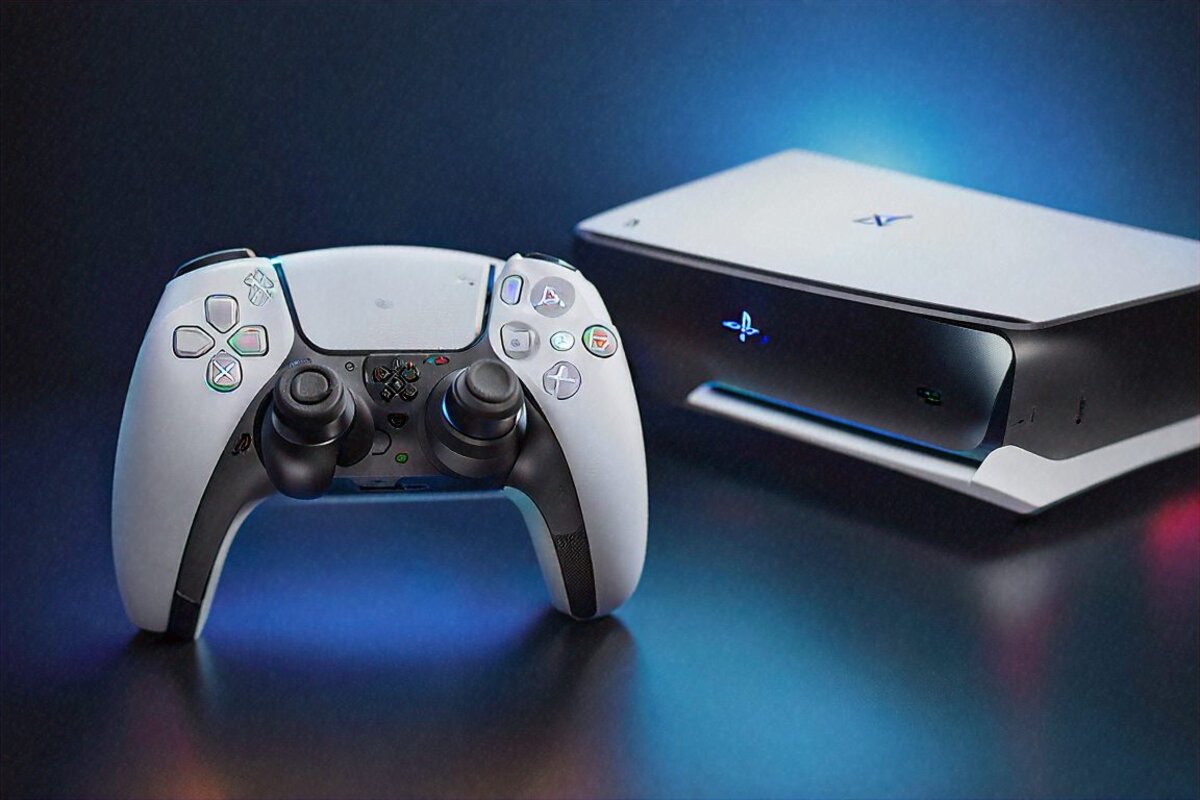
The design is basically the PS5. White and black. Those divisive curved panels. Sony didn’t reinvent the look — just reworked the insides. At 3.2kg it’s actually lighter than the original PS5 with its disc drive, which mildly surprised me.
Noise is where the improvement really shows day to day. My original PS5 would spin its fans up audibly during graphically heavy moments. Not jet-engine loud like the old PS4 Pro, but you’d hear it in a quiet scene. The Pro runs near-silent at moderate loads. Push it to the limit with ray tracing at 4K 120fps and you’ll catch a soft hum, but nothing that fights with game audio. Much better thermals.
USB-C on the front charges the DualSense faster than the old USB-A port. Small change, real improvement. HDMI 2.1 output covers everything up to 4K 120fps and, in theory, 8K, though 8K content is still basically nonexistent in India.
The Indian Gaming Context
Let me look at this from an Indian gamer’s seat specifically, because gaming here doesn’t play out like in the US or Europe.
₹59,990 is a lot of money. The regular PS5 Digital Edition sits around ₹39,990. That’s a twenty-thousand-rupee gap for the Pro. In a market where plenty of gamers are students or early in their careers, that gap stings. You could buy a PS5 Digital and a year of PS Plus Premium for less than the Pro alone.
4K TVs are increasingly common in Indian living rooms, which is good — you genuinely need a 4K display to see most of the Pro’s gains. Still gaming on a 1080p set? The PS5 Pro is almost entirely wasted on you. Upgrade the TV first.
Games big in India — FIFA 26, Cricket 25, WWE 2K26, GTA VI — all run beautifully on the Pro. Cricket 25 in particular gains from the smoother frame rate during fast bowling deliveries and busy field animations. FIFA 26’s HyperMotion at 120fps on a compatible display is noticeably smoother than at 60.
The PS Plus subscription is another running cost. ₹499/month for basic online play, up to ₹1,199/month for Premium with game streaming and a bigger library. Fold that into the total cost of ownership. The Pro at ₹59,990 plus a year of PS Plus Premium at ₹14,388 puts your first-year total north of ₹74,000. That’s before a single game.
Specifications
| Specification | Details |
|---|---|
| GPU | Enhanced RDNA 4, 45% more compute vs PS5 |
| CPU | AMD Zen 2 8-core, 3.85GHz |
| RAM | 16GB GDDR6 |
| SSD | 2TB PCIe Gen 4 |
| Resolution | Up to 8K with PSSR |
| Wi-Fi | Wi-Fi 7 |
| Disc Drive | Optional separate attachment |
| OS | PlayStation OS |
Pros
- 45% GPU performance boost over PS5
- PSSR AI upscaling delivers near-native quality
- 2TB SSD — double the base PS5
- Wi-Fi 7 for low latency gaming
- All PS5 accessories compatible including DualSense and PSVR2
Cons
- No disc drive included — sold separately
- Limited 8K content available in India
- Expensive at Rs 59,990
- CPU same as PS5 — not upgraded
PlayStation Exclusives and the Library Argument
Sony’s trump card has always been the exclusives. God of War Ragnarok. Horizon Forbidden West. Gran Turismo 7. Spider-Man. The Last of Us. These don’t exist on Xbox or PC (or land on PC much later). If those franchises matter to you, PlayStation’s the only door, and the Pro’s the best way through it.
PSVR2 compatibility puts VR gaming on the table if that’s your thing. The Pro’s spare GPU headroom runs VR games smoother and sharper. I’ve played Gran Turismo 7 in VR on both the base PS5 and the Pro, and the Pro’s version is visibly crisper and steadier. The sense of speed on those Nurburgring laps with the headset on is genuinely stomach-churning in the best way.
Backward compatibility covers the whole PS5 library and nearly every PS4 title. That’s thousands of games, plenty of them cheap on the PS Store during sales. I grabbed the entire Uncharted collection for ₹999 last month. The DualSense’s haptics and adaptive triggers are still some of the best controller tech in gaming — and yes, it all works identically on the Pro, since it’s the same controller.
An NVMe expansion slot lets you add storage when the 2TB fills. Haven’t needed it yet, but it’s good to know it’s there. Seagate and WD make compatible drives, easy to find on Amazon India.
The Elephant in the Room: Is This Just a Half-Step?
I should meet the criticism a lot of people are making online. “It’s the same CPU.” “It’s not a real upgrade.” “Just wait for the PS6.” Fair points, and I won’t brush them off.
The unchanged CPU means games that are CPU-bound — sprawling open worlds with heavy NPC calculations, complex physics — won’t see dramatic gains on the Pro. The wins are almost all GPU-driven. If a game struggled on CPU limits on the base PS5, it’ll still struggle on the Pro. That’s a legitimate limit.
And yes, the PS6 is probably two to three years out. If you’re happy to wait, waiting gets you a genuinely new generation rather than a mid-cycle refresh. Nobody’s going to claim the Pro is a smarter long-term bet than the PS6 will be.
But here’s my counter. Two to three years is a long time. That’s 700-plus evenings of gaming between now and the PS6. If you play regularly, spending those evenings at 4K 60fps with ray tracing instead of 4K 30fps without — that accumulated difference in enjoyment is real. Not hypothetical. I feel it every single time I sit down. The Pro isn’t a stand-in for the next generation. It’s the best version of this one. And this generation still has some incredible games coming.
Who Should Upgrade and Who Should Wait
Existing PS5 owners — this is the hard call. If you bought your PS5 in the last year or two and you mostly play at 1080p or on a smaller TV, the Pro won’t change your life. The gains are mainly visual, and you need a good 4K display to appreciate them. Save your money. Your PS5 is still a great console.
Existing PS5 owners with a 4K 120Hz TV — now it gets tempting. If you’ve got the display to show the difference and you play graphically intense games often, the Pro lands a tangible upgrade. Not a new generation. Not a reinvention of anything. But a meaningful, visible, feel-it-in-your-hands improvement. Whether ₹59,990 is worth it comes down to your budget and how much gaming matters to your days.
First-time console buyers — if you’re weighing a PS5 Digital at ₹39,990 against a Pro at ₹59,990, and you already own a decent 4K TV, I’d honestly say stretch for the Pro if you can. You get a machine that’ll last the whole remaining life of the PS5 generation without feeling dated. The 2TB alone saves you the frustrating storage-juggling dance base PS5 owners deal with constantly.
PC gamers eyeing a console — the Pro makes most sense as a companion to a PC, not a replacement. PlayStation exclusives that never come to PC (or take years) are the main draw. If you’ve already got a capable gaming PC and you’re wondering whether to add a Pro, it comes down to how badly you want to play Spider-Man and God of War on day one.
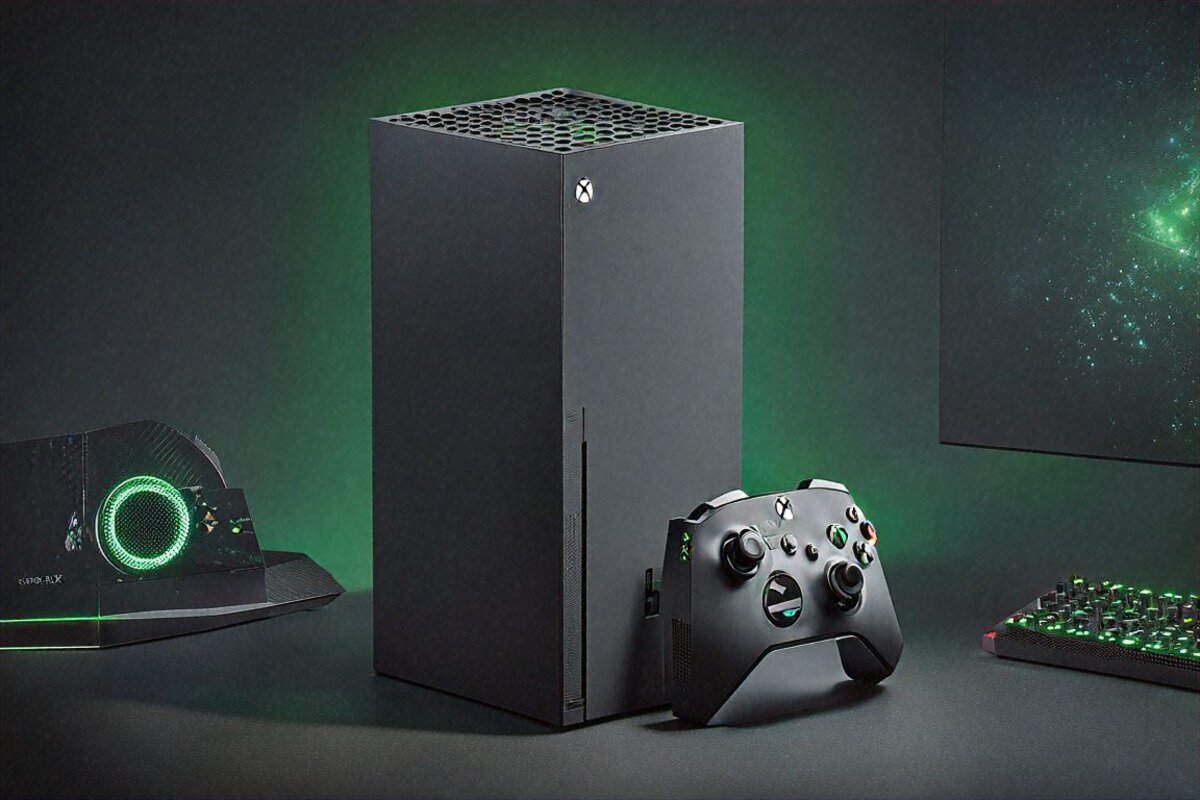
Xbox gamers thinking of switching — this one’s knotty. The Pro is objectively more powerful than the Xbox Series X Refresh. But Xbox has Game Pass, which fundamentally rewrites the economics of gaming. If you play a wide spread of games and value breadth over exclusives, Game Pass at ₹699/month might be the better deal than PlayStation’s higher per-game costs. It’s a lifestyle choice as much as a hardware one.
Me? I’m a PlayStation gamer. Have been since the PS1. The exclusives are why I’m here, and the Pro is the best way to play them. The 45% GPU boost and PSSR upscaling aren’t just spec-sheet figures — they translate into real, visible, session-after-session improvements that make me reach for the controller more often. That loading-time gap I opened with? 42 seconds to 8. I spend more time playing and less time waiting. That’s what a gaming console is supposed to do.
Price in India
The Sony PS5 Pro sells for ₹59,990 in India, on Sony India’s site, Amazon India, Flipkart, and dedicated game shops like Games The Shop. Stock has been patchy since launch — if you spot it in stock, I’d grab it rather than holding out for a sale that may never come.
Full Specifications
| GPU | RDNA 4 enhanced 45% more compute |
|---|---|
| CPU | AMD Zen 2 8-core 3.85GHz |
| RAM | 16GB GDDR6 |
| SSD | 2TB PCIe Gen 4 |
| Resolution | Up to 8K with PSSR |
| Wi-Fi | Wi-Fi 7 |
| OS | PlayStation OS |
Pros
- 45% GPU upgrade over PS5
- PSSR AI upscaling near-native
- 2TB SSD double base PS5
- Wi-Fi 7 low latency
- All PS5 accessories compatible
Cons
- No disc drive included
- Limited 8K content India
- Expensive ₹59,990
- CPU same as PS5
Our Rating: 9.2/10 · Price: ₹59,990


Sony PS5 Pro is a must-have for serious gamers. 8K gaming support and the DualSense Edge controller experience is phenomenal. Already finished Spider-Man 3 twice!