
Three People, One Remote, and a Sunday That Nearly Tipped Over
My fourteen-year-old wanted YouTube. My partner needed a recipe video for gajar ka halwa. My mother was halfway into a video call with her sister in Lucknow. Three people, one living room TV, one Sunday afternoon sliding fast toward the kind of polite standoff only Indian joint families can manufacture.
Nobody raised a voice. That’s not the style in our house. It’s slower than that. The remote sitting on the coffee table like disputed land. Everyone being aggressively gracious about not needing it right this second while plainly needing it right this second.
So I decided we needed a second screen. Not another TV — we had neither the wall space nor the budget for that. Something shared. Something that could live in the kitchen and soak up these little daily skirmishes. A week or so of digging later, I ordered the Amazon Echo Show 15 2nd Gen. It’s been on our kitchen wall about ten weeks now. Let me walk you through what worked, what didn’t, and why my mother now rates it above the actual kitchen appliances.
15.6 Inches Sounds Daft Until You See It on the Wall
When I told my cousin I was mounting a 15.6-inch screen in the kitchen, he asked if I’d lost the plot. Fair. Said out loud it does sound like too much. Fifteen-point-six inches of display stuck on the wall by the spice rack. Who does that?
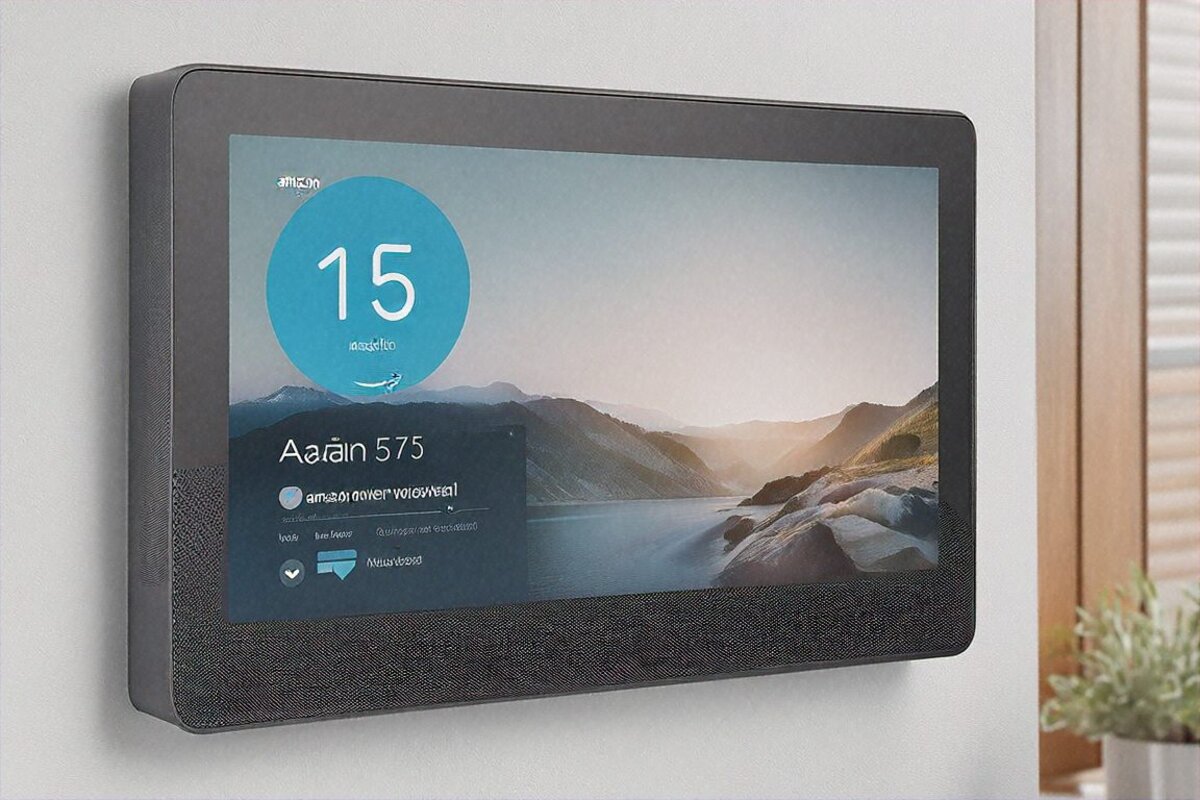
Then you walk in and see it there, and it clicks straight away. At 15.6 inches and 1920×1080 Full HD, it’s basically a small TV that’s always showing something useful. Family photos drifting by when nobody’s touching it. Calendar and reminders the moment someone steps up. Full-screen recipe videos at cooking time. After the first week it stops reading as a gadget. It reads more like… part of the kitchen. Like the exhaust fan or the microwave. Something that was always meant to be there.
I went the wall-mount route. Amazon throws the mounting hardware in the box, which I appreciated. The stand, on the other hand, is a separate buy at around Rs 3,499. That nettles me. If you’d rather not drill into your kitchen wall — and in a rented flat, you might not — you’re out extra cash. On a ₹22,999 unit, tossing in a basic stand isn’t a wild thing to expect. Mounted flush, mind you, it looks tidy. Almost like one of those digital art frames in a posh hotel lobby. My partner actually said she liked the look of it, and if you know my partner, that’s not praise she hands any tech buy of mine lightly.
Setting It Up for Six People
Let me lay out the household first. Six of us. My partner and me. Two kids, one a teenager, one in primary school. My mother. My father. Different ages, different comfort with tech, different languages, different routines. If a smart display can suit all six, it can probably suit any Indian family.
Getting Visual ID set up for everyone took about twenty minutes. Stand in front of the camera, let it scan your face from a few angles, next. The AZ2 Neural Edge chip runs the recognition, and I’ll say this much — it’s clearly sharper than the first-gen Echo Show 15 my cousin owns. Quicker to spot you, fewer slip-ups.
Why does the face recognition matter? Because the screen rearranges itself per person. My mother steps up in the morning and gets weather in Hindi, her medication reminders, and the family calendar bits that touch her. My daughter sees her school schedule and the kid-friendly Alexa skills she likes. Mine throws up cricket scores, the work calendar, a news briefing. Same glass, six different experiences. For a joint family where not everyone carries a personal device — my mother still finds smartphones baffling and frankly prefers skipping them — that automatic personalisation is thoughtful in a way tech rarely manages.
The 13MP camera is a real step up from the old model. Calls on both Amazon’s own feature and Zoom come through crisp. Auto-framing follows you round the kitchen without losing focus, handy on calls where you’re talking and minding the stove at once. My mother uses it for daily calls with relatives and reckons it beats her phone, since the screen’s bigger and she doesn’t have to hold a thing. Hard to argue.
Fire TV Quietly Changes What This Device Is
This earns its own heading because it shifts the whole equation. The Echo Show 15 2nd Gen has Fire TV built in. Not some half-baked streaming sideshow — actual Fire TV. Netflix runs on it. So do Amazon Prime Video, Disney+ Hotstar, YouTube, all launching natively. No casting off your phone. No mirroring. Open the app, watch.
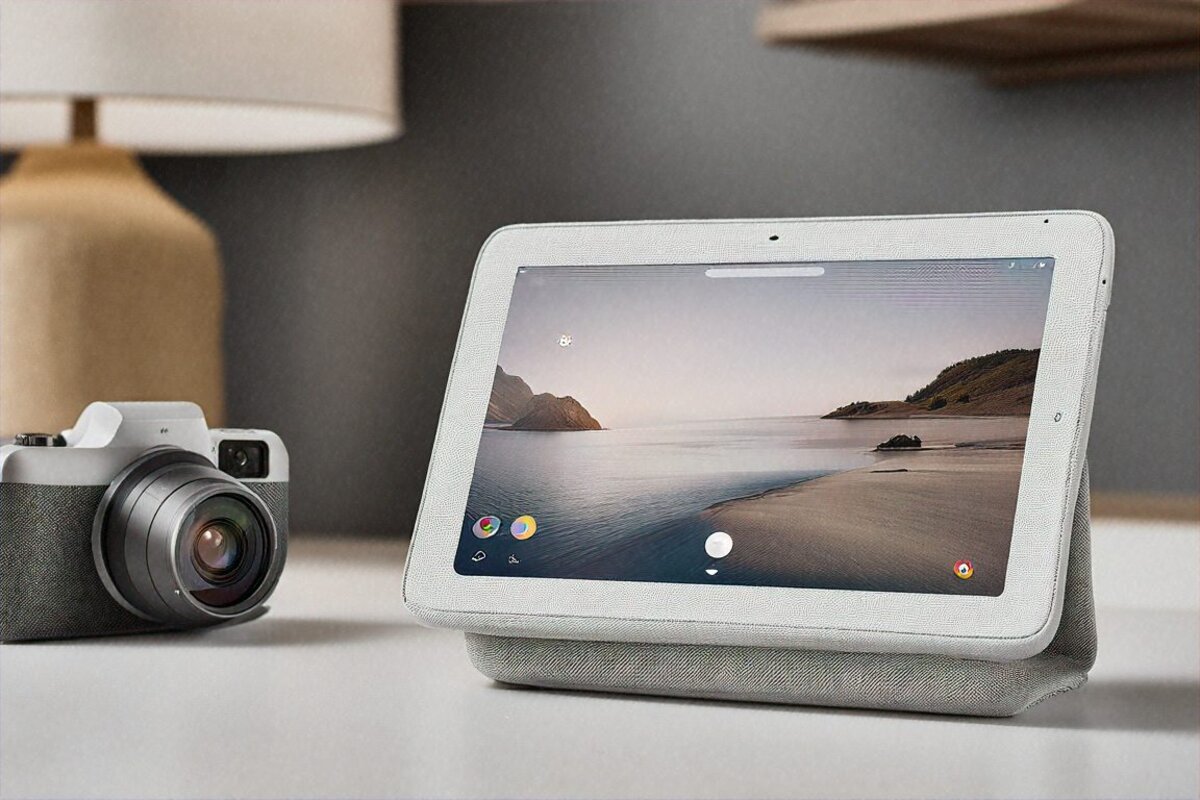
Set that against the Google Nest Hub Max 2, which in 2026 still has no Netflix app. That one gap alone might tip the whole purchase for some people.
Now, look. Fifteen inches won’t stand in for your living room TV. Of course not. But in the kitchen, while you cook, do the dishes, sip the morning chai? It nails that second-screen life most of us already live anyway. I’ve been catching Test cricket highlights over scrambled eggs. My partner runs her serials through the afternoon cooking. The kids stick YouTube on while they do homework at the table. None of it needs a big screen. All of it’s better for a screen that’s just… there.
Audio is 20W with Dolby support. It’s adequate. That’s the fair word for it. Dialogue’s clear, music sounds okay. But it doesn’t carry the chest-thumping fullness of the Nest Hub Max 2’s 30W. In a kitchen with the exhaust fan whirring and maybe the mixer grinder going, you’re pushing volume to about 70% before the sound cuts through cleanly. At that level bass-heavy stuff starts sounding a touch strained. For podcasts, news and casual viewing, though? Totally fine. I’ve never wished for more grunt during a morning news podcast or a YouTube clip.
The Family Bulletin Board — My Partner Owned It in Three Days
There’s a home screen feature Amazon calls the Family Bulletin Board. Sticky notes, shared to-do lists, calendar events, family photos drifting behind it all. Within three days of setup my partner had claimed total ownership.
She pins grocery lists I can see from anywhere via the Alexa app on my phone. The kids’ exam schedules go up. “Pick up dry cleaning” appears with my name on it every Thursday. It’s digital nagging, basically, but the sort that lands, because the information sits there persistent and visible in the room everyone walks through most.
Sounds trivial, right? Digital sticky notes. But in practice — and I think any Indian family will nod here — the gap between “I told you” and “you never told me” is responsible for roughly 60% of household arguments. A shared, always-visible board in the kitchen shrinks that gap in a way WhatsApp messages and spoken reminders never could. I can’t claim “I didn’t see it” when the thing’s literally bolted to a wall I pass fifteen times a day.
My mother’s taken to it as well. She adds things to the grocery list by voice. “Alexa, add dhaniya to the shopping list.” Works every time. She gets a small, visible kick out of it. Technology doing something useful for her, on her terms, with no phone app to wrestle.
The photo frame mode deserves a line too. When nobody’s poking at the display, it cycles chosen albums from Amazon Photos. My parents love watching photos of the grandkids drift across the wall through the day. It turns a dead screen into something with a bit of emotional weight. Calling it a feature feels too clinical — it’s more that the display grows a personality over time from your family’s photos. Sappy for a tech review, I know. Still true though.
Alexa’s Hindi: Getting There, Not There Yet
I’ll be straight. Alexa’s Hindi has come on a lot these last couple of years. The simple stuff is great. Weather, timers, reminders, smart home commands, playing music — all reliable in Hindi. My mother sets cooker timers, checks the weather, rings her sister, plays morning bhajans. That covers 90% of her daily needs with no trouble.
Where it trips is conversational follow-ups and context-heavy questions. Ask something layered in Hindi and it sometimes bails to an English web result, which is no use to someone who reads Devanagari. Google Assistant is still ahead here, I’ve got to admit it. The bilingual handling — where someone slides between Hindi and English mid-sentence — is something Google does better.
For my mother, who speaks mostly Hindi with some Bhojpuri mixed in, the basic command set does what she needs. But for my father, who’ll sometimes fire off a complex follow-up or want an explanation in Hindi, the limits surface. Not a dealbreaker for us. Might be for you, depending how Hindi-heavy your day runs.
The AZ2 Neural Edge chip does make everything snappier on this 2nd Gen. Replies land faster. The on-screen feedback — search results popping up, smart home cards appearing, recipe steps drawing in — all feels more fluid. Not a giant leap, but you’ll feel it if you’ve used the original.
The Smart Home Hub Nobody Mentioned to Me
Here’s a detail that matters more than most buyers clock. The Echo Show 15 2nd Gen has a Zigbee and Matter hub built in. You can wire compatible smart devices straight to it without buying separate bridges for each brand. I’ve hooked up two TP-Link Kasa smart plugs, a Wipro smart bulb and a Syska LED strip through its Zigbee hub. No extra boxes. No extra apps.
Alexa routines knit it together. My “Movie Time” routine drops the living room Wipro bulb to 20%, turns the LED strip behind the TV blue, and starts ambient music. All off saying “Alexa, movie time” to the kitchen display. Response time is maybe a second or two — not instant, but quick enough that it never feels sluggish.
The Drop In feature is worth flagging for Indian homes in particular. If you’ve got more than one Echo — we keep an Echo Dot in the bedroom — you can use the display as an intercom. “Alexa, drop in on bedroom” lets me call everyone to dinner without bellowing up the stairs. In homes built with solid concrete walls that swallow sound whole, talking between rooms without shouting is a quietly practical luxury.
Things That Don’t Work Well
Amazon’s ecosystem grip is real. Google Photos won’t feed the photo frame — you need Amazon Photos. Google Calendar isn’t natively supported. If your digital life runs on Google, you’re either shifting everything across or running two systems in parallel, and neither’s pleasant. On its own this could sink the deal for a Google-first home.
The stand still being a Rs 3,499 add-on keeps irritating me. At this price Amazon should bundle both mounting options. Other brands would. It feels like nickel-and-diming on a premium product, and it leaves a sour aftertaste.
Indian language support past Hindi is thin. Tamil, Telugu, Bengali are either part-supported or absent for voice. Google has a clear edge for multilingual Indian homes. If your family mostly speaks a regional language, this could be a serious shortfall.
And then the ads. I should talk about the ads. Amazon nudges product recommendations and deal alerts onto the home screen. You can dial them down in settings. You can’t kill them off entirely. On a ₹22,999 device, seeing “recommended for you” cards feels like being marketed to in your own kitchen. It’s not aggressive — no pop-ups blocking the screen or anything. But it’s there. Persistently. And it bugs me on principle even while I’m ignoring it in practice.
Specifications
| Specification | Details |
|---|---|
| Display | 15.6-inch Full HD 1920×1080 IPS |
| Processor | AZ2 Neural Edge |
| Camera | 13MP with Visual ID |
| Audio | 20W stereo with Dolby Audio |
| Smart Home | Zigbee, Matter, Thread, Alexa hub |
| Streaming | Fire TV built-in |
| Mounting | Wall mount included, stand sold separately |
| OS | Fire OS with Alexa |
Pros
- 15.6-inch display is genuinely useful as a kitchen TV and info hub
- Fire TV integration means native streaming apps, no casting needed
- Visual ID personalizes content for up to six family members automatically
- Built-in Zigbee and Matter hub eliminates need for separate bridges
- Family Bulletin Board and shared lists are surprisingly practical in joint families
- Drop In intercom between Echo devices works well in Indian concrete-walled homes
Cons
- Stand sold separately at Rs 3,499 — should be included at this price
- Amazon ecosystem lock-in; no Google Photos or Google Calendar integration
- Indian language support beyond Hindi is limited compared to Google
- Ads and product recommendations appear on the home screen
- 20W audio is adequate but falls short of the Nest Hub Max 2’s 30W output
Ten Weeks On — It Vanished Into Our Lives
The thing about testing a family device is that week one tells you nothing. It’s all novelty and buzz. Everyone’s prodding the screen, asking Alexa daft questions, taking selfies with the camera. Means nothing.
Weeks two through ten are where reality lands. And here’s what actually happened. My mother now opens every morning by glancing at the kitchen display for weather and reminders. She doesn’t think about it. She just does it, the way she checks the gas is off before bed. The kids look at it for school schedules. My partner runs the grocery list through it. I’ve got routines so automatic they’ve gone invisible — lights shift, news plays, timers count down, and nobody consciously kicks any of it off anymore.
That’s probably the highest praise you can hand a smart home product. It stopped being a gadget. It turned into infrastructure. Like the water purifier or the microwave. You don’t think about the purifier working. You’d sure notice if it quit.
Is the Echo Show 15 2nd Gen perfect? No. Hindi needs work past the basics. The Amazon lock-in means you’re tied to their platform for the long haul. Ads stay a low-grade nag. But for a Prime household — and let’s be honest, most urban Indian families already have Prime — it does things at ₹22,999 that nothing else near the price can touch. The screen size alone sets it apart. Fire TV pushes it further. The family-first features make it genuinely tough to recommend anything else for joint families.
I keep meaning to write a proper sign-off for this review. Something tidy and conclusive. But my daughter just asked the display to play her study playlist, my mother’s call with her sister is about to connect, and the grocery list needs updating because we’re out of jeera again and
Price in India
The Amazon Echo Show 15 2nd Gen sells for ₹22,999 in India, on Amazon India. It routinely slides to around ₹18,999 during Prime Day and Great Indian Festival sales. I’d honestly hold out for one of those if you can — pocket the three or four thousand and buy that stand with the difference.
Full Specifications
| Display | 15.6-inch Full HD 1920×1080 |
|---|---|
| Processor | AZ2 Neural Edge |
| Camera | 13MP Visual ID |
| Audio | 20W Dolby Audio |
| Smart Home | Zigbee Matter Thread |
| OS | Fire OS Alexa |
Pros
- Largest 15.6-inch smart display
- Fire TV full streaming
- Visual ID family personalisation
- Built-in Zigbee Matter hub
- Amazon Prime integration
Cons
- Amazon ecosystem dependent
- No Google Assistant
- Stand sold separately
- Limited Indian language support
Our Rating: 8.4/10 · Price: ₹22,999

0 Comments