
₹699 a Month for 400-Plus Games. Here’s What That Buys You.
Start with a sum, because that’s the part that flipped my thinking. A fresh AAA release in India runs Rs 4,000 to Rs 5,000. Buy one a month — which most people who take gaming seriously already do — and you’ve handed over Rs 48,000 to Rs 60,000 a year. Just for games. The console, the controller, the TV, none of that’s in the figure yet.
Now look at Game Pass Ultimate: Rs 699 a month, so Rs 8,388 across the year. That opens up 400-plus titles, and every Microsoft first-party game lands in there the day it ships. Forza, Halo, Starfield, Fable — all of them, no surcharge, no waiting. EA Play rides along too, which folds in FIFA and the rest of EA’s catalogue.
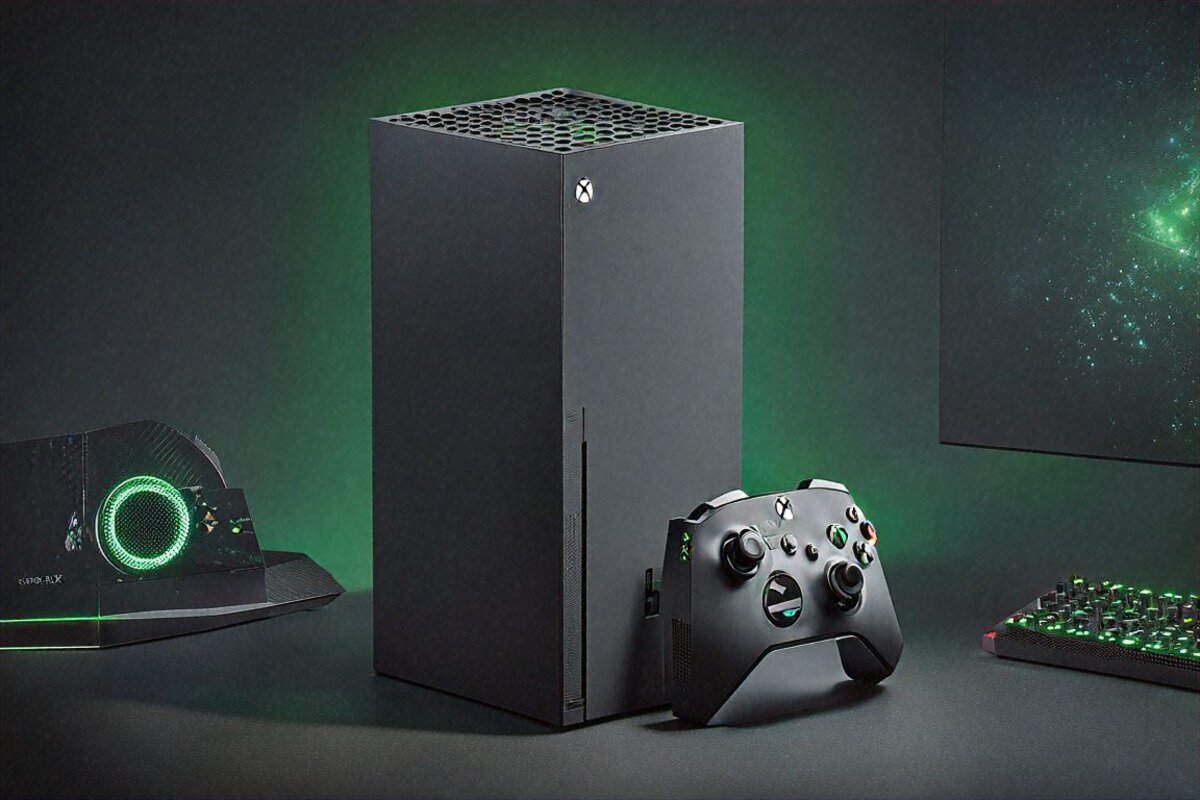
That comparison rearranged how I think about the whole hobby. Not which console pushes more pixels, not whose exclusives are better — just the plain cost of playing a lot of different things. And the Xbox Series X Refresh 2026 at Rs 49,990 is the box that makes those numbers land on a proper screen.
Cheap-to-feed doesn’t equal good, though. So here’s what the thing actually is, what it isn’t, and the one question I still can’t answer cleanly after two months living with it.
What “Refresh” Buys, and What It Doesn’t
I’ll be blunt up front. This isn’t a real hardware leap. The GPU is the exact 12-teraflop AMD RDNA 2 part that launched in the 2020 Series X. Same CPU — the 8-core AMD Zen 2 clocked at 3.8GHz. Same 16GB of GDDR6. Coming from an original Series X expecting a PS5 Pro-style jolt? It isn’t here. Microsoft left the core silicon alone.
The actual changes: the SSD doubles to 2TB. The bundled controller ships with hall-effect thumbsticks. Wi-Fi 6E swaps in for Wi-Fi 5. And the Game Pass hooks are tighter than before.
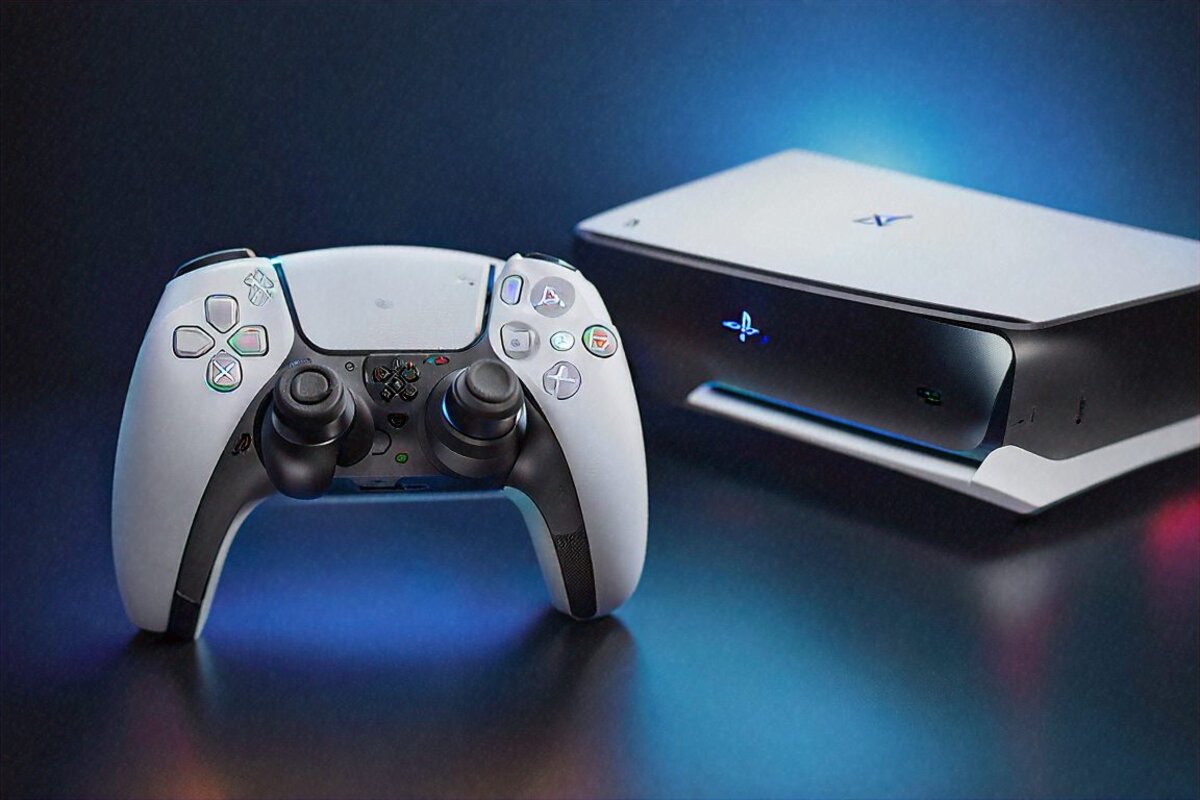
That’s the list. I can hear the obvious “so why buy it?” and it’s a fair shot. The honest answer turns on what you care about. If raw GPU grunt is the thing, the PS5 Pro’s roughly 45% gain over its predecessor leaves this Xbox looking its age, and I won’t dress that up.
But value the Game Pass world, the quality-of-life fixes, and a machine that does 4K 120fps with a disc drive in the box for Rs 49,990 — ten grand under the PS5 Pro — and there’s a real conversation to have.
The Controller Fix That Was Years Overdue
Stick drift. Anyone who’s gamed on a console this past half-decade knows the curse — your character creeps across the screen while your thumb’s nowhere near the stick. It comes from the wear on the potentiometer sensors inside a normal pad. I burned through three Xbox controllers in four years to drift. Three. Rs 5,500 a pop. Call it Rs 16,500 gone on replacements alone.
The redesigned pad in the Refresh uses hall-effect sensors instead. Magnets, not physical contact points, which — going by everything the third-party hall-effect pads have shown us — means they just don’t wear down. No drift. Not inside any sane ownership window, anyway.
Two months of hammering this controller, and I mean hammering: ugly competitive Fortnite sessions where I’m wrenching the sticks, long Starfield wanders with that constant gentle nudging. Nothing. The sticks read as precise and tight as they did out of the box.
Small thing? It isn’t. For an Indian gamer who can’t shrug off Rs 5,500 on a new pad every year, the hall-effect switch is probably the single most useful hardware change in this whole refresh. A controller that survives the generation without rotting from the inside. About time.
The rest of the pad carries over more or less untouched — same shape, same layout, same textured grips. The bumpers feel a touch clickier, though I’d half believe I’m inventing that. Build quality reads identical to the last revision, which was already solid.
2TB of Storage: Dull on Paper, Big in Practice
The original Series X gave you 1TB, about 802GB of it actually usable. In 2020 that felt roomy. In 2026, with games happily blowing past 100GB, it’s a permanent juggling act. Forza Motorsport is 130GB. Starfield, 125GB. Call of Duty eats whatever it pleases. You’re forever deleting something to fit something else, and with internet speeds being what they are outside the metros, re-downloading a 100GB title isn’t a coffee-break affair.
The 2TB drive in the Refresh leaves you roughly 1.8TB usable — double the old one. I’ve got about 25 games sitting on it and still a few hundred gigs spare. That’s the gap between fretting about space every week and not thinking about it for months.
Load times match the original exactly, because the SSD’s speed hasn’t changed, only its size. Games still pop in within seconds. Quick Resume still does its quiet trick of letting you bounce between suspended games near-instantly. I keep Forza, Starfield and Halo paused at once, and hopping between them takes maybe five seconds each. It’s one of those Xbox features nobody praises enough.
Game Pass: The Whole Point of the Box
I have to sit with Game Pass a while, because it is, frankly, the case for the entire Xbox setup. The hardware on its own doesn’t out-spec the PS5 Pro. The controller’s better, fine. Storage capacity matches. But the GPU gulf is real. What Game Pass does is move the argument off the silicon and onto the library.
Rs 699 a month for Ultimate. Here’s the pile that gets you:
- Over 400 games spanning every genre
- Every Microsoft first-party game on launch day — Forza, Halo, Starfield, Fable, and everything from Bethesda and Activision Blizzard studios
- EA Play membership included — FIFA, Madden, Need for Speed, Battlefield
- Cloud gaming on phones, tablets, and laptops
- Online multiplayer access
- Periodic “leaving soon” rotations that keep the library fresh
Practically, I haven’t bought a single game since I started. Not one. Whatever I felt like playing was either already there or dropped straight in. Starfield? Day one. The new Forza? Day one. The latest Doom? Day one. Even third-party stuff like Lies of P and Palworld turned up within months of release.
For an Indian gamer — and here’s where it bites hardest — the economics genuinely shift. Most of my friends who play don’t pick up more than three or four games a year, because each one’s Rs 4,000-5,000. They stay parked on FIFA and a title or two beside it. Game Pass kills that ceiling. I’ve played whole genres I’d never have paid full whack for, tried indies I’d never heard of, knocked out story games in a weekend I’d never have gambled Rs 5,000 on off the reviews alone.
It reset my relationship with the thing. Less “which one game can I justify this month” and more “what am I in the mood for tonight.” That’s a different way of living with games, and it’s hard to walk back once you’ve felt it.
Performance, Straight
The Refresh runs games the same as the original Series X, because under the lid it is the same console in GPU and CPU terms. Twelve teraflops. Eye-watering in 2020. In 2026 it’s… fine. Adequate.
Forza Motorsport at 4K 60fps with ray tracing still looks gorgeous, and I want to be fair here — the Series X was a strong machine at launch and it hasn’t lost a step. Games built for it run beautifully. Halo Infinite multiplayer at 4K 120fps stays smooth and snappy. Starfield sits at 4K 30fps with the odd dip, which isn’t lovely but is roughly what Bethesda launches look like.
The gap with the PS5 Pro shows up in cross-platform games that get the PS5 Pro Enhanced patches. Spider-Man 2 at 4K 60fps with ray tracing on the Pro, versus a comparable game on the Series X that has to trade resolution against frame rate — you can see it. Not every cross-platform title splits this starkly, but the drift’s there. The Pro carries 45% more GPU. In some games every bit of that shows.
Does it wreck the Xbox? No. Games still look great on it. 4K at 60fps is still the comfortable middle for most living-room setups. But if you’re the sort who reads Digital Foundry frame-by-frame and counts pixels, the PS5 Pro takes the spec fight and there’s no honest dodge around that.
Backward Compatibility: Xbox’s Quiet Trick
Here’s something Xbox does better than anyone, and it barely gets mentioned. The Refresh plays games across four generations of Xbox — original Xbox, 360, One, Series X/S. More than 600 of those backward-compatible titles have been touched up with Auto HDR so they look right on a modern panel.
I went back to Halo 3 last month. A 2007 game, running at 4K with Auto HDR on a 2026 TV. It held up shockingly well. The nostalgia alone would’ve been worth it, but the technical polish made it more than a misty-eyed revisit — it was genuinely fun to play again.
PlayStation can’t touch this. The PS5 Pro handles PS5 and most PS4 games. Two generations. Xbox hands you four. Got a drawer of old 360 discs somewhere — and the Refresh keeps a disc drive, which the PS5 Pro drops — you can dig them out and play tonight, with the visual fixes applied for you.
For Indian gamers who maybe inherited an older Xbox from a sibling or picked up second-hand games over the years, that library runs deep. Thousands of titles spanning close to twenty-five years of the medium, all on one box.
Design and the Disc-Drive Edge
The Refresh keeps that monolithic black-tower look. Matte black, green tray light, vented top. It isn’t pretty. It isn’t aiming to be. It looks like a serious slab of electronics, which I suppose is what it is.
You get Carbon Black or Robot White. Mine’s the black one. It sits beside the TV like a little obelisk, and my wife’s stopped remarking on how ugly it is — which I’m reading, generously, as acceptance.
The disc drive’s included, and I’ll lean on that because the Rs 59,990 PS5 Pro leaves it out. The Refresh keeps it at Rs 49,990. For Indian gamers who buy physical — new from a shop or second-hand off local traders and gaming groups — a disc drive isn’t a frill, it’s the whole point. My local crew runs a WhatsApp chat where we swap and lend discs constantly. Try that on a digital-only box.
Wi-Fi 6E is a pleasant step up from Wi-Fi 5. Online sessions feel a hair steadier, though for most Indian connections the real-world difference probably isn’t dramatic. Got a Wi-Fi 6E router and you’ll feel it. On the standard Wi-Fi 5 setup most households here still run, the gain is slim.
Specifications
| Specification | Details |
|---|---|
| GPU | 12 teraflop AMD RDNA 2 |
| CPU | AMD Zen 2 8-core, 3.8GHz |
| RAM | 16GB GDDR6 |
| SSD | 2TB NVMe |
| Resolution | 4K 120fps |
| Wi-Fi | Wi-Fi 6E |
| Disc Drive | Included |
| Controller | Hall-effect sensors |
Pros
- Hall-effect thumbstick sensors eliminate stick drift
- 2TB SSD — double storage capacity
- Game Pass Ultimate at Rs 699/month is exceptional value
- Optical disc drive included
- Best backward compatibility of any console — four generations
Cons
- No GPU upgrade over original Series X
- PS5 Pro has 45% more GPU power
- Fewer India-relevant exclusives vs PlayStation
- No significant visual upgrade over Series X
The Exclusives Question — and I Don’t Have a Tidy Answer
Now I have to come clean about the thing that nags at me with Xbox. And I say it as someone who loves Game Pass and uses this console every day.
PlayStation has Spider-Man. God of War. Horizon. The Last of Us. Gran Turismo. Some of the highest-rated, most-played games of the past decade, system-sellers for good reason. Ask “what can I play on PlayStation that I can’t get anywhere else,” and you get a list of genuinely great games.
Xbox has… Halo, which hasn’t landed a universally loved entry since Halo 3, in my book. Forza, which is excellent. Starfield, which split people down the middle. Fable’s coming and looks promising. The Activision Blizzard buy brought Call of Duty, but that’s still multi-platform for now.
The gap is real. Want the best single-player narrative games — the kind that take Game of the Year — and PlayStation simply has more of them. That’s just so. I can argue value and economics until I’m hoarse, but when a friend’s showing me his God of War Ragnarok screenshots and I can’t run that game on my Xbox, the exclusives point lands in a way no Game Pass arithmetic fully answers.
Microsoft’s plan seems to be tilting toward multi-platform releases with Game Pass as the differentiator rather than locked exclusives. Whether that holds up for Indian gamers — who lean brand-loyal and lean hard on what their friends are playing — is an open question. I’ve spotted more PlayStation pads in Indian gaming cafes and college hostels than Xbox ones. That counts for multiplayer, for community, for the social side a spec sheet never captures.
Can Game Pass economics outweigh the exclusives deficit? Honestly, I don’t know. For me, personally, it has — I play a wider spread of games on Xbox than I ever did on PlayStation, because the cost wall’s gone. But I’d be lying if I claimed I felt nothing when a PlayStation exclusive drops and I’m locked out. That twinge sits right alongside my real fondness for Game Pass. Both are true at once.
So Who’s It For?
Budget-minded gamers who play a wide spread of things. That’s the heart of it. If you’re a FIFA-and-literally-nothing-else player, the Refresh is overkill — grab a PS5 Digital or even a Series S. But if you roam across genres — racing one week, an RPG the next, a shooter with mates at the weekend, the odd indie that catches your eye — Game Pass at Rs 699/month turns the Series X into the cheapest-to-feed machine going.
Original Series X owners. If your pad’s drifting and your storage is jammed, the Refresh fixes both. Whether that’s worth Rs 49,990 or whether you just buy a third-party hall-effect pad and an expansion card is your call — the accessory route is cheaper on paper. Then again, this way you also get the 2TB SSD, Wi-Fi 6E, and a fresh warranty.
Families. Game Pass spreads across the house. Set up family sharing and several people play off one subscription. For a household with two kids who both game, that’s a lot cheaper than buying every game twice.
People who care about physical media. The disc drive matters. In India, where the used-game market is alive and trading groups thrive, being able to buy, sell and lend discs is a genuine edge the disc-less PS5 Pro doesn’t hand you out of the box.
Two Months In — Where I’ve Landed
The Xbox Series X Refresh 2026 isn’t the most powerful console you can buy. That’s the PS5 Pro, and anyone telling you different isn’t being straight. The GPU hasn’t budged since 2020. On raw fidelity, the Pro wins.
What the Refresh is — and does better than anything else out there — is hand you the most gaming for the least money. Rs 49,990 for the box. Rs 699/month for hundreds of games. A controller that won’t die. A disc drive in the box. Four generations of backward compatibility. That’s a stack that’s hard to argue with on paper, and harder still once you’ve lived in it.
The exclusives question stays open. It’s the one spot where I can’t make a clean case for Xbox over PlayStation. Maybe Microsoft’s upcoming slate shifts it. Maybe the Activision Blizzard deal starts bearing exclusive fruit. Maybe Fable’s the system-seller Xbox needs. Or maybe Xbox’s future is Game Pass as a platform that lives across devices, and the console is just one door into it.
I’m not going to pretend I see how that lands. What I know is that right now, today, I’ve got 400-plus games to play, a pad that doesn’t drift, and I spent Rs 699 this month on gaming instead of Rs 5,000. The rest is unsettled, and I’m genuinely fine sitting with that for now.
Price in India
The Xbox Series X Refresh 2026 sells for Rs 49,990 in India, through Xbox India’s site, Amazon India, and Games The Shop. Game Pass Ultimate is a separate Rs 699/month. Stock’s held steadier than the PS5 Pro, so tracking one down shouldn’t be a hassle.
Full Specifications
| GPU | 12 teraflop AMD RDNA 2 |
|---|---|
| CPU | AMD Zen 2 8-core 3.8GHz |
| RAM | 16GB GDDR6 |
| SSD | 2TB NVMe |
| Resolution | 4K 120fps |
| Wi-Fi | Wi-Fi 6E |
| Controller | Hall-effect sensors |
Pros
- Hall-effect controller no stick drift
- 2TB SSD storage
- Game Pass Ultimate value ₹699/month
- Disc drive included
- Best backward compatibility
Cons
- No GPU upgrade over original
- PS5 Pro 45% more GPU power
- Fewer India-relevant exclusives
- No visual upgrade
Our Rating: 8.8/10 · Price: ₹49,990

0 Comments