

Can you genuinely buy a flagship in India for under Rs 40,000 in 2026? Not a marketing flagship — a real one, with the same chip as the Galaxy S26 Ultra, an IP68 rating, a big battery, proper fast charging? Because that’s the claim Realme is making with the GT 7 Pro, and when the spec sheet first crossed my screen I assumed something had to be cooked. Watered down, at least. A Snapdragon 8 Gen 5 phone for Rs 39,999 just sounds wrong. There’s always a catch.
So I spent two weeks looking for it. There are trade-offs, sure — this isn’t a Rs 1,35,000 Samsung wearing a disguise. But they’re smaller than I’d braced for, and what Realme nailed for the money is honestly a bit ridiculous.
Let’s Talk About the Value
The Snapdragon 8 Gen 5 is the exact chip inside the Samsung Galaxy S26 Ultra (Rs 1,34,999), the OnePlus 14 Pro (Rs 69,999), and the Xiaomi 15 Pro (Rs 49,999). Realme dropped it into a Rs 39,999 phone. Same 3nm design, same performance, same AI block. No asterisk on that part.
Around the chip you get a 5500mAh battery with 120W UltraDart charging (full in 32 minutes), a 6.78-inch AMOLED at 144Hz, a 50MP main with OIS, a 50MP 3x telephoto, and IP68. Under forty grand.
Two years back this exact mix lived only in Rs 80,000-plus phones. Realme keeps squeezing that timeline, and the GT 7 Pro is the bluntest example yet.
Build: I Came in Sceptical
My expectations here were low — budget flagships usually skimp on the body. Realme didn’t, mostly. The metal frame feels solid. Not Samsung-or-Apple solid, but sturdy and well put together. No creak, no flex, no uneven seams between frame and glass.
Two backs on offer: matte glass and a textured vegan leather. I had the GT Green leather variant, and it’s the one I’d point you to. Distinctive, actually grippy (bare glass phones are slippery little hazards), and it carries a tactile quality that makes the phone feel dearer than it is.
It weighs 213 grams. Comfortable for this size, lighter than most rivals. The power and volume keys click with a precise feel that cheap phones rarely get right.
The IP68 rating is the real flex. At Rs 39,999, nearly everything else tops out at IP65 — fine for splashes and rain, not submersion. Realme went full IP68, so a puddle, a tap rinse, or a Mumbai downpour won’t worry you. At this price, that’s genuinely uncommon.
The Display Outpunches Its Price
6.78-inch AMOLED. 144Hz adaptive. 4500 nits peak. 1264 x 2780. HDR10+ on board.
Read those off and you’d guess Rs 70,000. The panel is excellent. Bright enough for full Indian summer glare without squinting. Smooth enough that scrolling Twitter or Instagram feels properly fluid. Colour’s accurate after a quick calibration in settings — out of the box it skews a touch vivid, which most people actually like for daily use.
HDR10+ streaming on Netflix and YouTube looks great. Blacks go proper AMOLED deep, not the washed grey LCD gives you. Text is crisp enough for long reading. I spent a solid hour reading articles on it without eye strain, which I can’t say for every phone.
The under-display fingerprint reader is reliable and quick enough that opening the phone feels natural rather than like waiting for it to make up its mind. Nothing to gripe about.
Camera: The Honest Version
The trade-offs surface here. At Rs 39,999 the camera’s good, not great. Straight breakdown follows.
The 50MP Sony LYT-808 main with OIS handles daylight well — sharp detail, decent dynamic range, good colour. Put it beside a Rs 70,000 OnePlus 14 Pro and you’d spot differences in fine texture and shadow handling, but for social posts and everyday snaps the main camera gives results most people will be happy with. It won’t embarrass you. It also won’t wow you.
Night mode is where the gap opens up. In dim light — candles in a restaurant, a poorly lit street — you get usable shots, but with more noise and less shadow detail than the Xiaomi 15 Pro or OnePlus 14 Pro. The Pixel 10 Pro is in a different league entirely for low light. If night photography matters to you, the extra spend on one of those is probably worth it.
The pleasant shock is the 50MP 3x telephoto. At this tier most phones either skip a real telephoto or toss in a soft 2x. Realme fitted a proper 50MP 3x optical zoom, and it delivers. Travel shots — monuments, signs, distant subjects — come out sharp and detailed at 3x. Push to 5x or 6x digital and the results still hold. For a Rs 39,999 phone, having this lens feels like getting away with something.
The 8MP ultrawide is the weak link. Basic, low-res, soft at the edges. Fine for a wide group shot in good light, nothing you’d want to pixel-peep. If ultrawide work matters, this one won’t cut it. It’s the clearest spot where Realme trimmed cost to hit the number.
Video tops out at 4K 30fps with decent stabilisation. Not spectacular, but workable for casual stuff. Mic audio comes through clean.
Performance: This Is the Showpiece
Here’s where dropping Rs 39,999 on the GT 7 Pro starts to feel unfair to everything else in the bracket. It runs the Snapdragon 8 Gen 5 — the same silicon in Rs 1,35,000 flagships — and the day-to-day performance gap between this and those phones is basically nothing.
Apps open at the same speed. Multitasking feels identical. Browsing’s the same. The chip doesn’t know it’s in a Rs 39,999 phone instead of a Rs 1,35,000 one. It just runs.
Gaming is where it flexes hardest. BGMI at Smooth + Extreme (90fps) ran with no thermal throttling across my sessions. Frame rates held steady through a 45-minute match. The back warmed up but never got hot enough to bother me or force a slowdown.
RAM is 8GB or 12GB by variant. I had the 12GB and background app retention was good — swapping between 10-plus apps didn’t trigger reloads. If you buy the 8GB base model, expect slightly more aggressive memory management, though for most use it’ll still be fine.
Realme’s GT Mode pushes the CPU and GPU harder in short bursts, putting frame rates ahead of thermals. I ran it during gaming and the difference was real — smoother frames in busy scenes. Don’t leave it on all day, it eats battery, but for a 30-minute session it earns its place.
Battery and Charging: Zero Complaints
5500mAh gets you through a full day. My screen-on time averaged 7 to 8 hours under heavy use — gaming, camera, social, messaging, streaming. Lighter days nudged toward 9. Those numbers match what the Samsung S26 Ultra (same battery, same chip, triple the price) manages, which tells you something about the value math here.
120W UltraDart charging. Zero to a hundred in 32 minutes. I timed it five separate times and it was eerily consistent — 31 to 33 minutes every run. This is the fastest charging I’ve hit on any phone this year, including ones costing three or four times as much. Plug in while you’re getting dressed and it’s full before you’re out the door.
No wireless charging. That’s one of the compromises. If you’re used to dropping the phone on a Qi pad overnight, you lose that here. Personally, with 32-minute wired charging I find wireless less of a miss — the wired speed is so quick that wireless’s convenience edge shrinks a lot — but you should know it’s not here.
Software: The Biggest Compromise
Realme UI 6.0 on Android 16. Honestly, this is the weakest part of the experience.
Fresh out of the box, the phone had several pre-installed apps I didn’t want. A games portal. A shopping app. A news aggregator. A weather widget that clearly had ads baked in. All removable, thankfully, but the 10 to 15 minutes spent scrubbing junk off a brand-new phone is never a good opening.
Past the bloat, the UI itself is functional but unremarkable. Animations are smooth, the settings menu is laid out sensibly, gesture navigation works fine. Realme promises three years of Android updates and four years of security patches — respectable for the price, though Google’s seven-year run with the Pixel makes everyone else look stingy.
Dynamic RAM Expansion borrows storage as virtual memory to keep more apps alive. It works quietly in the background and seems to help on the 8GB variant. On the 12GB model I’m not convinced it changes much — 12GB is already plenty.
My advice: spend the first 15 minutes pulling bloatware, switching off promo notifications, and setting your default apps. After that, Realme UI mostly gets out of the way.
Calls, Speakers, Haptics
Calls held up on both Jio and Airtel across Mumbai and Pune. The earpiece gets reasonably loud — not the loudest I’ve used, but enough for a noisy street or an auto ride. VoLTE and Wi-Fi calling both worked with no setup headaches.
Stereo speakers (bottom-firing main plus earpiece) sound… fine. Clear at moderate volume, slightly thin and bass-light at max. You won’t confuse them for a dedicated Bluetooth speaker, but for a quick YouTube clip or a speakerphone call they’re perfectly serviceable. Nothing to rave about, nothing to complain about.
Haptics are a notch above what you’d expect here. Keyboard buzzes are distinct rather than mushy. Notification haptics feel crisp and deliberate. Not iPhone or OnePlus grade, but better than last year’s GT 6 Pro. Progress is progress.
GPS was solid — Google Maps locked my position fast and tracked accurately through city streets with no phantom drift during navigation. The phone supports all the Indian positioning systems including NavIC, which helps where plain GPS struggles.
Connectivity
Twelve 5G bands covering Jio, Airtel, Vi, and BSNL. Wi-Fi 6E — not Wi-Fi 7, which the pricier phones carry. Bluetooth 5.3. NFC for Google Pay taps. A standard package that covers what most people need, with no standout extras and no glaring holes.
So Who’s This For?
Students who want flagship gaming muscle without going broke. Young professionals after a fast daily driver who’d rather spend the savings elsewhere. Anyone who rates performance and battery above camera quality. Gamers most of all — a Snapdragon 8 Gen 5 with 120W charging and a 5500mAh cell is basically a purpose-built mobile gaming rig at a price that makes dedicated gaming phones pointless.
Who should skip it? People who shoot in low light a lot. Anyone who needs wireless charging. Anyone who really hates bloatware and would rather pay more for clean software — go Pixel or OnePlus. And buyers who want a strong service network, since Realme’s after-sales footprint in India is growing but still well behind Samsung.
A Word on Service
Realme’s retail and service presence in India has widened over the past year, but it still doesn’t match Samsung’s nationwide net or even Xiaomi’s expanding one. In the big metros — Mumbai, Delhi, Bengaluru, Hyderabad, Chennai, Kolkata — finding a service centre is easy. Most Tier-2 cities are covered too. But once you get into smaller towns and rural areas, the options thin out fast.
For a Rs 39,999 phone this matters less than it would on a Rs 1,35,000 device — the financial risk is lower — but it’s still worth thinking about. I’d check Realme’s service centre locator on their site before buying, just to confirm there’s one within reach of where you live. Nobody wants to ship a phone to another city for a screen swap.
| Specification | Details |
|---|---|
| Processor | Snapdragon 8 Gen 5 (3nm) |
| RAM | 8GB/12GB LPDDR6 |
| Storage | 128GB/256GB UFS 4.0 |
| Display | 6.78″ AMOLED, 1264×2780, 144Hz |
| Main Camera | 50MP f/1.8 Sony LYT-808 |
| Ultrawide | 8MP f/2.2 |
| Telephoto | 50MP 3x f/2.0 |
| Battery | 5500mAh |
| Charging | 120W UltraDart wired |
| OS | Realme UI 6.0, Android 16 |
| IP Rating | IP68 |
| Weight | 213g |
Pros and Cons
Pros
- Snapdragon 8 Gen 5 at Rs 39,999 — flagship performance for a fraction of flagship pricing
- 120W UltraDart charging fills the entire 5500mAh battery in just 32 minutes flat
- IP68 water resistance at this price is genuinely rare and worth appreciating
- 144Hz AMOLED display with 4500-nit brightness punches well above its weight class
- 50MP 3x telephoto is an unexpected bonus that actually delivers usable results
Cons
- Realme UI ships with bloatware and promotional content that takes effort to clean up
- Build quality is functional but doesn’t feel as premium as OnePlus or Samsung at higher prices
- Camera system is capable for the price but won’t win comparisons against phones costing Rs 50,000+
- No wireless charging — a trade-off that some buyers will feel and others won’t
Price and Availability
Rs 39,999 for the 8GB/128GB base variant. Sold on Realme.com and Flipkart.
Where This Is All Heading
I think the GT 7 Pro is a snapshot of where the Indian market’s drifting. Flagship chips keep trickling down into sub-Rs 40,000 phones. IP68 ratings that were premium-only two years ago now show up at mid-range prices. 120W charging that felt futuristic in 2024 is the budget-flagship baseline now.
By this time next year I’d bet the next GT pushes the formula further — maybe a better camera, maybe wireless charging — while keeping the price pinned near Rs 40,000. The pattern’s clear: the floor for “good enough” keeps climbing while the ceiling for premium pricing barely moves. Phones like this one are exactly why Samsung, Apple, and OnePlus have to keep justifying their numbers, because every year the gap between a Rs 40,000 phone and a Rs 1,35,000 phone gets harder to explain to a normal person.
For right now, if your budget is Rs 40,000 and you want the fastest phone you can get, the Realme GT 7 Pro is the obvious pick. Nothing at this price even comes close on raw performance. Clean up the software, enjoy the charging speed, and wait for next year’s phones to get even sillier.
Full Specifications
| Processor | Snapdragon 8 Gen 5 (3nm) |
|---|---|
| RAM | 8GB/12GB LPDDR6 |
| Storage | 128GB/256GB UFS 4.0 |
| Display | 6.78" AMOLED 144Hz |
| Main Camera | 50MP f/1.8 LYT-808 |
| Battery | 5500mAh |
| Charging | 120W UltraDart wired |
| OS | Realme UI 6.0 Android 16 |
| IP Rating | IP68 |
| Weight | 213g |
Pros
- Snapdragon 8 Gen 5 at ₹39,999 is exceptional value
- 120W UltraDart charging fills in 32 minutes
- 5500mAh big battery for the price
- 144Hz AMOLED display quality punches above weight
- IP68 rated
Cons
- Realme UI has significant bloatware
- Build quality not as premium as OnePlus at this price
- Camera system adequate but not class-leading
- No wireless charging
Our Rating: 8.3/10 · Price: ₹39,999

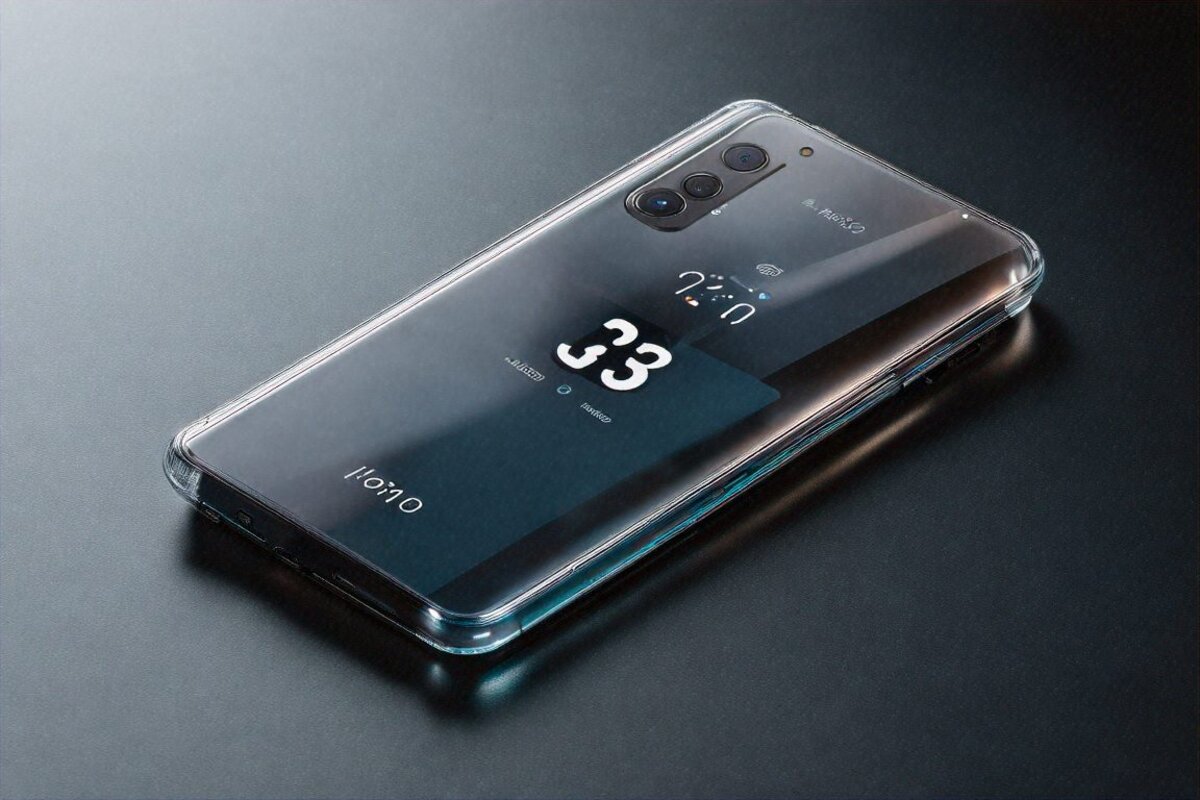


Realme GT 7 Pro is the best performance phone under 50k right now. The Snapdragon 8 Elite chip is amazing and the 6000mAh battery lasts forever.