
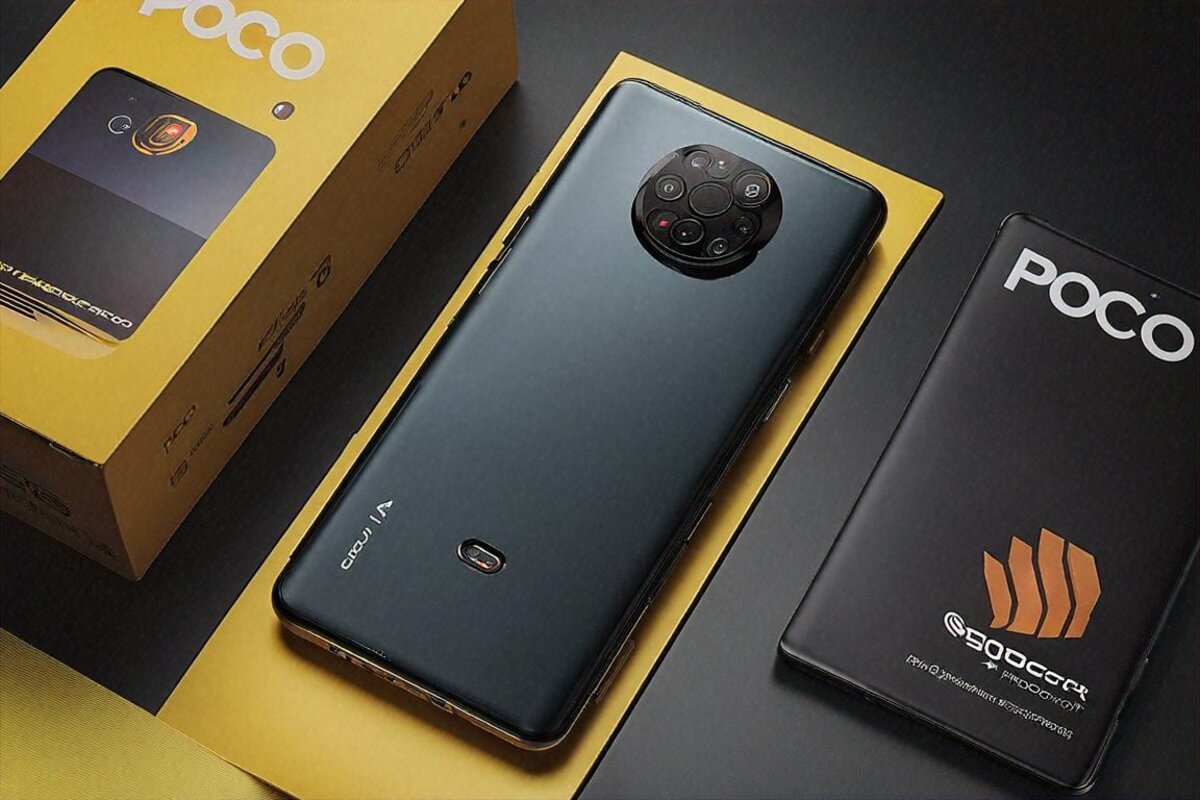
Under thirty grand, you get the same Snapdragon 8 Gen 5 that Samsung drops into the ₹1,34,999 Galaxy S26 Ultra. Read that line again. The POCO F7 Pro at ₹29,999 runs the exact chip from a phone that costs four and a half times as much — not a cut-down version, not marketing spin, the real thing. It’s the kind of price-to-performance math that makes you squint and wonder what everyone else has been charging you for all these years.
There are compromises, obviously. There always are when a flagship chip shows up at this price. POCO isn’t doing magic and they’re not running a charity — they’ve made deliberate cuts in specific places to put that Snapdragon in your hand for under thirty thousand. Some of those cuts won’t bother you at all. Others will genuinely annoy certain buyers. Whether they bother you is the whole point of this review, so let’s get into it.
One thing up front: I’ve used POCO phones before and the software has historically been a mixed bag for me. So I came in excited about the hardware and a bit wary about HyperOS. That tension runs through how I see this phone.
What’s Inside the Box (Spec-wise)
- Snapdragon 8 Gen 5 — the same flagship chip in phones costing 3-4x more
- 6.67-inch AMOLED display with 120Hz refresh rate
- Massive 5500mAh battery paired with 90W TurboCharge
- 50MP Sony main camera with OIS
- LiquidCool Technology 3.0 for thermal management during gaming
- HyperOS 2.0 running on Android 16
Build Quality — You Get What You Pay For (And That’s Fine)
Polycarbonate back. Metal frame. Let’s get it out of the way, because I know the spec-sheet crowd will be in the comments instantly pointing out that ₹30,000 phones from other brands come with glass backs. They’re right. Realme, Samsung, and Motorola all hand you glass at this price.
So yes, the F7 Pro has a plastic back. Yes, it flexes a hair if you deliberately press the centre with your thumb — not in normal use, but it’s there. No, it doesn’t feel as premium as glass when you drag a finger across it. Different texture, different temperature, and there’s that little psychological thing where plastic just reads as “cheap” in your head no matter what the durability actually is. Dealbreaker for me? Honestly, no. Not close.
Two weeks caseless and the back hasn’t scratched, cracked, or shown a mark. It stays warmer in cold weather (a glass phone in a Delhi winter feels like holding an ice cube), it didn’t shatter when it slid off a cafe table onto the floor — I tested that one entirely by accident — and it weighs less than a glass equivalent would. Glass is prettier. Plastic is practical. Pick your priority, but let’s not pretend a cosmetic material choice should outweigh everything else about a phone.
The metal frame gives it enough rigidity that it doesn’t feel like it’ll bend if you sit on it or jam it into a tight jeans pocket. At 207 grams it’s a normal weight — not featherlight like the Motorola Edge 60 Pro, not a brick like a gaming phone. Just normal. The Yellow version genuinely gets people asking “what phone is that?” in coffee shops, and in a sea of black and grey rectangles I kind of love that. Black’s the safe pick if you’d rather not field the questions.
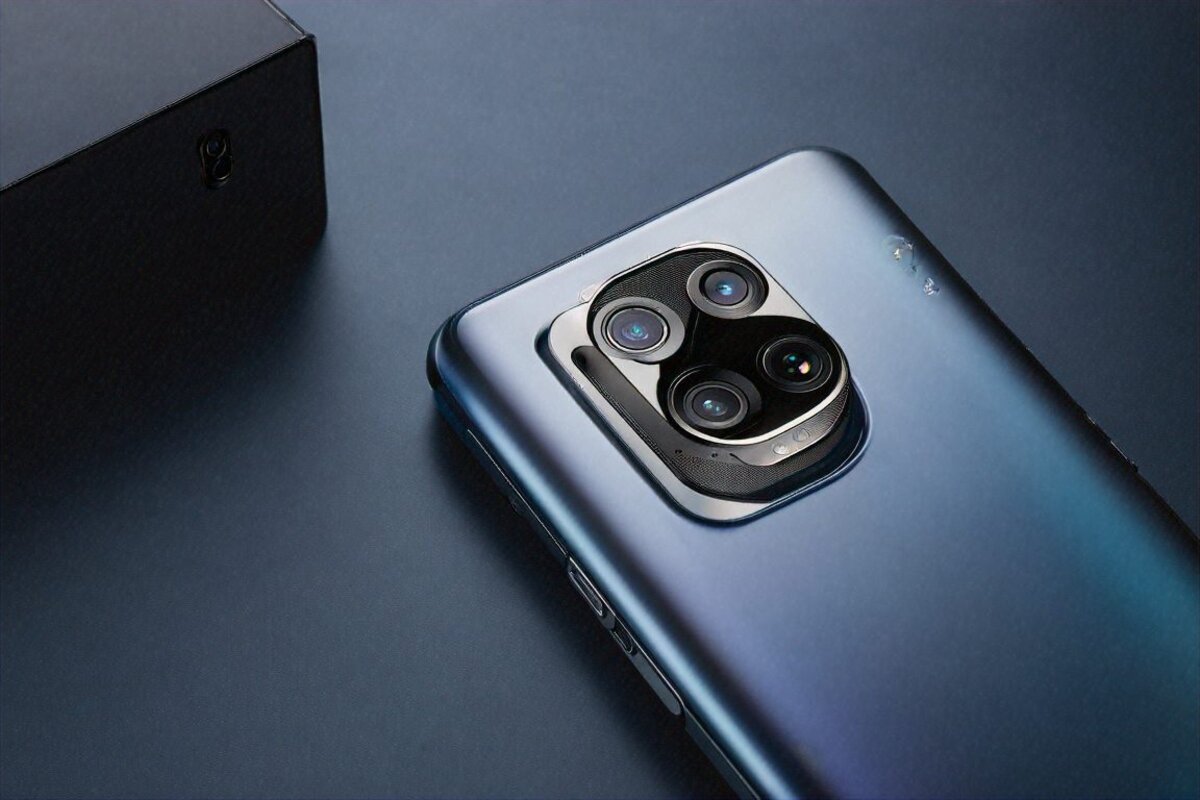
The design is function over form, full stop. POCO has never been an aesthetics brand and they’re not pretending to become one here. The camera module looks generic — could’ve come off any of a dozen phones. The buttons are unremarkable. Nothing’s ugly, nothing’s beautiful. It’s a tool shaped like a phone. And I’ll admit I respect that more than phones that fake a premium look with “inspired by nature” gradients while quietly cutting the chip or the battery where you can’t see it. POCO cuts where you can see, and spends the savings on speed. There’s an honesty to that.
Display — Adequate Is the Right Word
6.67 inches of AMOLED. 120Hz. 1200 nits peak. 2400×1080 Full HD+. An under-display optical fingerprint reader that works reliably if not lightning-quick. Standard for the price, done competently, no standout moment either way.
Best display at this price? Nah. The Realme GT 7 Pro pushes brighter and holds up better in direct sun. The iQOO 14 Pro goes to 144Hz for smoother scrolling. Samsung’s mid-rangers ship with slightly better out-of-box colour from years of Super AMOLED tuning. The Edge 60 Pro has a more accurate profile. On display alone, the F7 Pro sits mid-pack — not embarrassing, not impressive.
Bad display? Absolutely not. Colours are well-judged in Natural mode, accurate for photos and video without the cartoon oversaturation some brands default to. Flip to Vivid if you want more punch for streaming. 120Hz is smooth enough that daily scrolling and gaming never feel choppy. HDR10 content renders properly. Outdoor visibility in moderate sun is fine — harsh afternoon glare makes it harder to read, especially with dark-themed apps, but that’s true of most phones in this brightness bracket.
For streaming, social media, reading, messaging, and gaming, this screen does its job and gets out of the way. And a display you don’t think about — one that doesn’t distract you with neon colours or frustrate you with dim brightness — is a display doing its job right. Not everything has to be best-in-class to be good for daily use.
The fingerprint reader earns its own note. It’s optical, not the ultrasonic type on pricier Samsungs. Real-world difference? Maybe a quarter-second slower to register and a bit less reliable with wet or oily fingers — I’d put first-try success around 90% versus the 97-98% you get from ultrasonic. Day to day, I barely clocked it. It works. Not fast enough to impress you, fast enough that you won’t be stuck staring at your phone while a shop cashier waits.
Camera — Where the Compromises Live
If the Snapdragon 8 Gen 5 is where the money went, the camera is where it didn’t. And I want to be straight with you, because some reviews paper over this with “adequate for the price” and “gets the job done” without ever telling you what the photos actually look like. That helps nobody who’s about to spend their own money.
The 50MP main sensor does a fair job in daylight. Good light — outdoors in sun, a well-lit room, anywhere with plenty of ambient light — gets you photos sharp enough for social media, with okay colour and decent detail in the centre of the frame. The edges go soft, which is common here. Nobody scrolling your Instagram is going to think “bad camera.” They’ll look fine. Shareable. The kind of shot you fire into the family WhatsApp group and everyone’s happy.
Low light is where the wheels start wobbling. Night shots from the main sensor carry noticeably more noise than rivals at ₹35,000-40,000. Shadow detail turns to mush — texture that should be there dissolves into soft blobs of colour. Samsung’s AI night processing at similar prices comes out meaningfully cleaner. Pixels at comparable money are in a different league entirely. If you shoot a lot at parties, evening outings, dim restaurants, concerts, or any indoor venue without bright overhead light, this will bug you. I shot a friend’s birthday party indoors — normal residential lighting — and was let down by the noise in the shadows and the loss of detail on background faces.
Portrait mode is fine, not good. Edge detection is hit-or-miss against busy backgrounds — simple indoor portraits against a plain wall are handled well enough, but outdoors where the subject isn’t cleanly separated, it stumbles. I got shots where leaves near someone’s head were blurred while a tree trunk five metres back stayed sharp, which looks wrong and breaks the whole illusion.
The 8MP ultrawide exists. I’m genuinely struggling to say more than that. It captures wide shots that are okay for a WhatsApp group but short on sharpness, detail, or dynamic range for anything you’d want to keep. Barrel distortion at the edges is visible. Colour matching with the main sensor is fine in good light and poor in mixed light. Video stabilisation is basic — walking footage is shaky enough to distract, handheld stills are usable for social.
There’s no telephoto at all. Zoom is purely digital, so anything past 2x degrades visibly and anything past 5x is mush. If you regularly zoom — kids on a field, a sign across the street, an animal at a distance — you’ll feel the absence sharply.
The short version on cameras: this isn’t a camera phone and it’s not trying to be. POCO knows it, and you should too before you buy. If photography’s in your top three priorities, the F7 Pro isn’t for you, and buying it hoping the camera turns out “good enough” leads to regret. If you mostly shoot casual daylight photos, don’t pixel-peep or crop hard, and treat the camera as a minor feature rather than the point, you’ll be fine.
Performance — Insanity for the Price
Now the part that makes the F7 Pro worth existing. Because good grief, this phone is fast. Unreasonably, illogically, “how is this ₹29,999” fast.
The Snapdragon 8 Gen 5 at this price flattens everything else in the bracket on any metric you pick. It’s not a contest — there’s the F7 Pro, and then there’s everyone else scrapping for second with older or mid-tier chips. BGMI maxed out? Smooth, with frame rates holding steady through smoke, explosions, and crowded end-circles. Genshin Impact at medium-high? Playable for long stretches without throttling into a slideshow, which is no small thing given Genshin punishes thermals harder than almost any mobile game. CapCut renders fast, scrubs cleanly, previews effects in real time. Forty-plus apps open and switching between them without a stutter or a premature memory kill? Done, repeatedly.
The 8GB of LPDDR6 in the base model handles current multitasking well, though I’d point anyone planning to keep the phone past a year toward the 12GB variant — as apps get heavier and Android gets more aggressive about culling background apps, that extra headroom matters more as time goes on.
LiquidCool Technology 3.0 keeps thermals in line under sustained load, and you can feel the engineering doing its job despite the humble shell. An hour of BGMI and the back got warm but never uncomfortably hot — I held it the whole time without shuffling my grip or needing a break. Frame rates stayed steady throughout, which matters more for gaming than peak numbers do. What’s a fast chip worth if it cooks itself and drops frames after fifteen minutes? Plenty of phones that match the F7 Pro on a quick benchmark fall apart under sustained load. This one holds.
The 5500mAh battery is the biggest cell among the phones I’ve been testing this quarter, and it shows. A full heavy day — two to three hours of gaming, an hour-plus of streaming, constant social and messaging, some camera, the odd bit of navigation — and I’d still finish around 15-20%. Moderate users sticking to social, messaging, streaming, and occasional photos could probably stretch to a day and a half before reaching for a charger. That kind of endurance just quietly removes charging anxiety from the day.
When you do plug in, 90W TurboCharge sorts it efficiently. Zero to 100% in roughly 38 minutes. Not the absolute fastest — iQOO hits 120W, OnePlus does 100W at higher prices, Realme matches 100W at similar money — but 38 minutes for a 5500mAh cell is fast by any sane standard. Plug in over a quick lunch and you’re full before the food shows up. A ten-minute emergency top-up gives you around 25-30%, enough for three or four hours. And the 90W brick is in the box, which I appreciate given how many brands have dropped chargers to pad their green credentials (and margins).
Specifications at a Glance
| Specification | Details |
|---|---|
| Processor | Snapdragon 8 Gen 5 (3nm) |
| RAM | 8GB/12GB LPDDR6 |
| Storage | 128GB/256GB UFS 3.1 |
| Display | 6.67″ AMOLED, 2400×1080, 120Hz |
| Main Camera | 50MP f/1.8 |
| Ultrawide | 8MP f/2.2 |
| Battery | 5500mAh |
| Charging | 90W TurboCharge wired |
| OS | HyperOS 2.0, Android 16 |
| Weight | 207g |
Pros & Cons
Pros
- Snapdragon 8 Gen 5 under ₹30,000 — nothing else comes close on value
- 90W TurboCharge fills the massive battery in 38 minutes
- Bright 120Hz AMOLED that handles daily tasks well
- 5500mAh battery delivers genuinely strong endurance
- LiquidCool 3.0 keeps gaming sessions thermally stable
Cons
- HyperOS ships with ads and bloatware that require manual cleanup
- Camera is basic — not suited for photography enthusiasts
- Plastic build quality doesn’t match glass-backed competitors
- Software bugs were present at launch (patches have helped since)
- No wireless charging at all
Software and Connectivity Breakdown
HyperOS 2.0 on Android 16. Xiaomi’s newer skin is better than old MIUI, I’ll give them that. Smoother animations, a more logical settings menu, more polish overall. But “better than MIUI” is a low bar. There’s still bloatware — pre-loaded apps for services you’ve never heard of and won’t use. There are still ads surfacing in system apps unless you dig into settings and switch them off. There are still “recommendations” sliding into the notification shade that are just ads in a thin disguise.
Spend the first half hour doing a proper cleanup — kill the MSA ads service, uninstall the pre-loaded third-party stuff (GetApps, Mi Browser, assorted partner apps), turn off the “recommendations” toggle inside Security, File Manager, and Downloads one by one, and revoke notification permissions for anything you didn’t install yourself. After that little ritual, HyperOS is actually responsive, nicely animated, and reasonably well-optimised for daily use. Three years of major Android updates plus ongoing security patches keep it current — you’ll get Android 17, 18, and 19, which covers most people’s ownership window.
One software caveat worth saying plainly: at launch, the F7 Pro had bugs. Occasional app crashes, a strange Wi-Fi disconnection issue, some flakiness in the always-on display. POCO has pushed two updates since that have cleared up most of it from what I’ve seen in testing, but buying a POCO at launch means accepting some early roughness that smooths out over the following weeks. If that bothers you, waiting a month after release is the sensible move.
The phone packs 12 5G bands for full coverage across Indian carriers — Jio, Airtel, Vi, BSNL, everyone’s covered. I ran it on Jio in Mumbai and Airtel in Pune and it stayed stable and fast, no dropped connections or signal hunting where other phones held on. Wi-Fi 7 is here, which future-proofs things for when Wi-Fi 7 routers actually turn up in Indian homes (right now they’re rare and expensive, so this is more forward-looking than useful today). Bluetooth 5.4 handles wireless audio without noticeable lag — I used Samsung and Realme TWS buds in testing and never hit audio desync during video, which is a common gripe on some phones.
NFC for Google Pay worked at every POS terminal I tried. POCO Launcher gives you a cleaner home screen than the default MIUI launcher on other Xiaomi phones. Game Turbo tunes CPU scheduling while you play, blocks notifications, enables screen recording with internal audio, and otherwise stays out of the way. And one feature I genuinely use daily: the IR blaster. Point the phone at your TV, AC, set-top box, or speaker and it’s a universal remote. Sounds trivial on paper, surprisingly handy when you’ve lost yet another remote in the couch cushions at 11 PM and can’t be bothered to get up.
The Verdict
The POCO F7 Pro is the most ridiculous value going in the Indian market right now. Snapdragon 8 Gen 5, 5500mAh, 90W charging, LiquidCool thermals, and a perfectly usable AMOLED — all for ₹29,999. If you’re a gamer, a heavy multitasker, a power user running demanding apps, or just someone who wants the fastest phone you can get under thirty thousand, this is it. Buy it.
If you need a good camera, look at the Realme GT 7 Pro at ₹39,999 or the Samsung Galaxy A56 at ₹27,999. If you want premium build and materials, the Motorola Edge 60 Pro or that A56 are better made. If software bloat and ads make your skin crawl, Motorola or Samsung will treat you kinder. If wireless charging matters, the POCO can’t help you. But on pure performance-per-rupee? Nothing touches it. Not even close. Not even in the same conversation.
Price in India
The POCO F7 Pro launches at ₹29,999 for the 8GB/128GB variant, on Flipkart and Mi.com, usually through flash sales in the first few weeks — set a restock reminder if you’re serious, because stock’s been spotty since release. The 12GB/256GB at ₹33,999 is worth the premium if the budget allows. Bank offers during recent Flipkart sales pulled the base price down to roughly ₹27,500 effective with HDFC card discounts, which is frankly bonkers for a Snapdragon 8 Gen 5 phone.
Full Specifications
| Processor | Snapdragon 8 Gen 5 (3nm) |
|---|---|
| RAM | 8GB/12GB LPDDR6 |
| Storage | 128GB/256GB UFS 3.1 |
| Display | 6.67" AMOLED 120Hz |
| Main Camera | 50MP f/1.8 |
| Battery | 5500mAh |
| Charging | 90W TurboCharge |
| OS | HyperOS 2.0 Android 16 |
| Weight | 207g |
Pros
- Snapdragon 8 Gen 5 under ₹30,000 — unprecedented value
- 90W TurboCharge fast charging
- Bright 120Hz AMOLED display
- 5500mAh large battery
- Gaming-focused cooling
Cons
- MIUI/HyperOS heavy software with ads
- Camera system basic — not a camera phone
- Build quality not up to premium segment
- Frequent software bugs at launch
- No wireless charging
Our Rating: 8.1/10 · Price: ₹29,999
0 Comments