
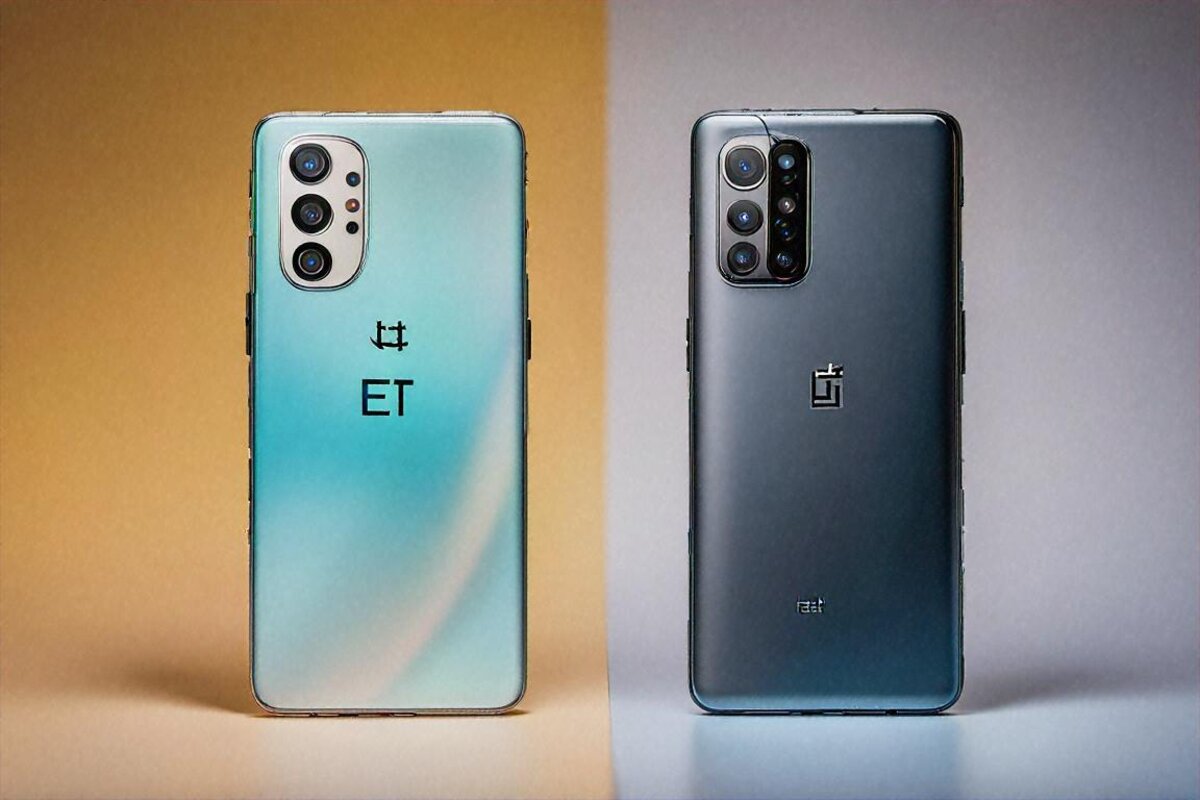
You’ve got ₹60,000. Spend it all on one phone, or keep half in your pocket?
That’s the question that actually matters, and I’m worn out by reviews that act like it answers itself. Every tech channel in India runs the same playbook: park a ₹70,000 phone beside a ₹25,000 one, run benchmarks, crown the pricey one (shocker), roll credits. As if anyone needed fifteen minutes of video to work out that a phone costing nearly three times more has better specs. Obviously it does. That was never the point.
The point is whether the OnePlus 13 at ₹69,999 hands you three times the experience of the POCO X7 Pro at ₹24,999. Whether that ₹45,000 gap buys three times the happiness, three times the usefulness, three times the everyday satisfaction. And the answer is tangled enough that it deserves more than a spec table and a bar chart.
I lived with both for two weeks. Same routine on each: commuting in Delhi, UPI at street vendors, doom-scrolling Instagram at 1 AM, the odd BGMI session, endless WhatsApp video calls with family, and far too much YouTube. Here’s what shook out.
The specs first, which you’ve probably already memorised. OnePlus 13: Snapdragon 8 Elite, 6.82-inch 2K AMOLED at 120Hz LTPO, 4500 nits peak, 50MP main with the LYT-808 sensor and OIS, 6000mAh, 100W wired, 50W wireless, IP69. Starts at ₹69,999 for the 12GB/256GB trim.
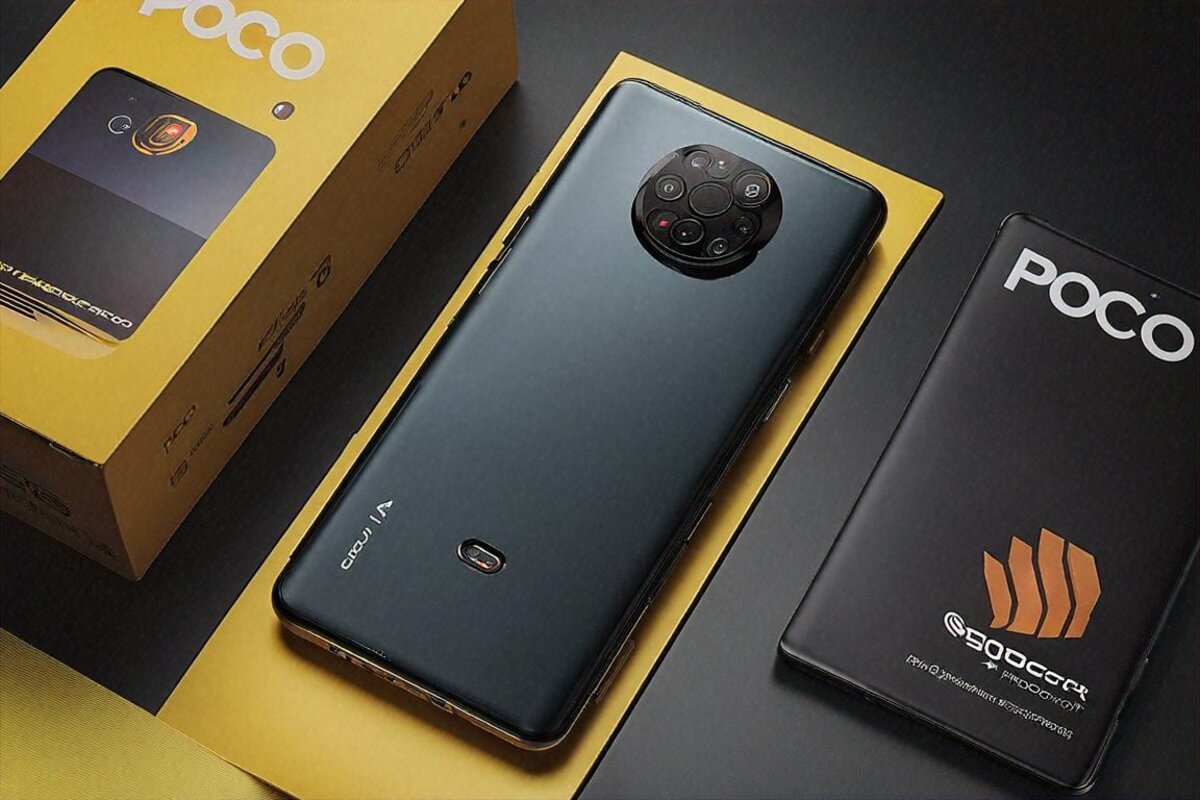
POCO X7 Pro: MediaTek Dimensity 8400 Ultra, 6.67-inch 1.5K AMOLED at 120Hz, 3200 nits peak, 50MP main with the Sony IMX882 and OIS, 6000mAh, 90W wired, no wireless, IP64. Starts at ₹24,999 for the 8GB/256GB trim.
On paper the OnePlus wins across the board. We knew that. Moving on.
What ₹45,000 Extra Actually Gets You
Here’s where I want to get specific, because a vague “the OnePlus has a better display” helps nobody decide where their money goes. Better how? Better enough to notice? Better in a way that shows up during real use? Let me be honest area by area.
The display really is nicer on the OnePlus 13. Both are AMOLED, both 120Hz, both lovely indoors. Take them outside on a blazing Delhi afternoon in April, though, and the gap shows. The OnePlus at 4500 nits stays readable in direct sun without squinting. The POCO at 3200 nits is readable too, but you catch yourself cupping a hand over the screen more often. Call it a 7/10 for outdoor visibility against the OnePlus’s 9/10. The 2K versus 1.5K resolution difference? I honestly can’t see it in daily use. Maybe I could if I held both up and stared at tiny text through a magnifying glass, but who’s doing that? Not me.
LTPO on the OnePlus drops the panel to 1Hz on static content, which saves power. The POCO’s 120Hz is fixed, or flips between 60 and 120 depending on the app. In practice the OnePlus wrings maybe 30-45 extra minutes of screen time from its identical 6000mAh cell. You’ll notice if you track that stuff. You won’t if you don’t.
Performance is where benchmark numbers fool people the hardest. The Snapdragon 8 Elite in the OnePlus 13 clears 23 lakh on AnTuTu. The Dimensity 8400 Ultra in the POCO lands around 14 lakh. That’s a huge spread — a 60% difference. Sounds like the OnePlus should feel dramatically faster.
It doesn’t. Not in daily use.
Opening WhatsApp? Both instant. Loading Instagram? About the same. UPI through PhonePe or Google Pay? Identical. Browsing Flipkart mid-sale? Both smooth, both stutter a hair on the heavy product pages (that’s the app, not the phone). Hopping between apps? Both hold 8-10 recents in memory without reloading. The OnePlus with its 12-16GB RAM does keep 15-plus apps alive a little better if you never close anything, but most people sit around 6-8 active apps anyway.
Where the Snapdragon actually flexes is gaming and sustained load. An hour of BGMI at max settings: the OnePlus held a steady 60fps the whole time, warm but never hot. The POCO opened at 55-60fps, slid to 45-50 after about 20 minutes as thermal throttling kicked in, and settled there. Still very playable. Still fun. But you feel it if you’re paying attention, and competitive players will mind those dropped frames.
Genshin Impact at the highest settings told the same story. OnePlus: a stable 55-60fps. POCO: 40-50fps with sharper drops during combat. The POCO’s perfectly fine for casual play, but pour hours into Genshin and let frame dips bug you, and the OnePlus is the clearly better ride.
Here’s my gripe with how this usually gets covered. Most reviewers make it sound like the POCO is struggling. It’s not. Fourteen lakh on AnTuTu is flagship-tier from two years back, and two years back people were gushing over phones with exactly these numbers. The Dimensity 8400 Ultra is an excellent chip. It just had the bad luck to land alongside the Snapdragon 8 Elite, which is a monster. Context matters.
Cameras. This is the part where the gap shows up most honestly in daily life, and where I hold the strongest opinion.
In good light — sunny day, outdoor shots, well-lit rooms — both take great photos. Properly great. The POCO X7 Pro and its Sony IMX882 produce sharp, punchy images that look excellent on screen and on Instagram. In a blind comparison under good light you’d struggle to tell them from the OnePlus shots. I showed a few daytime frames from both to friends without saying which was which. Nobody reliably picked the “better” one.
Low light flips everything. The OnePlus 13’s LYT-808 sensor is bigger, drinks in more light, and has far stronger computational work behind it. Night mode off the OnePlus looks like it was shot in decent light — good detail, controlled noise, natural colour. Night mode off the POCO looks like night mode: brighter than your eyes saw, but with visible grain, some smearing of fine detail, and colours leaning a touch unnatural. Still usable. Still Instagram-worthy if you’re not pixel-peeping. Side by side, though, nobody’s mistaking which is the better photo.
The Hasselblad colour tuning on the OnePlus is something I genuinely rate. Colours look more natural, skin tones run warm without going orange, and there’s a subtlety the POCO’s heavier sharpening and saturation can’t reach. This is subjective ground — some people honestly prefer the POCO’s punchier look — but if photography is more than documentation to you, the OnePlus gives you more to work with.
Video is a wider gap. 4K at 60fps on the OnePlus is rock-solid with excellent stabilisation. The POCO does 4K at 30fps with decent stabilisation, but kick it to 60fps and things wobble. Shoot a lot of video — of your kids, of trips, for Reels — and the OnePlus is clearly better. If your video life is mostly WhatsApp calls, the difference evaporates.
Portrait mode on the OnePlus has better edge detection and more natural bokeh. The POCO sometimes fumbles hair and tricky edges, especially backlit. Again: the POCO’s portraits are good for ₹25,000. They’re just not ₹70,000 good, and I’d be lying if I said otherwise.
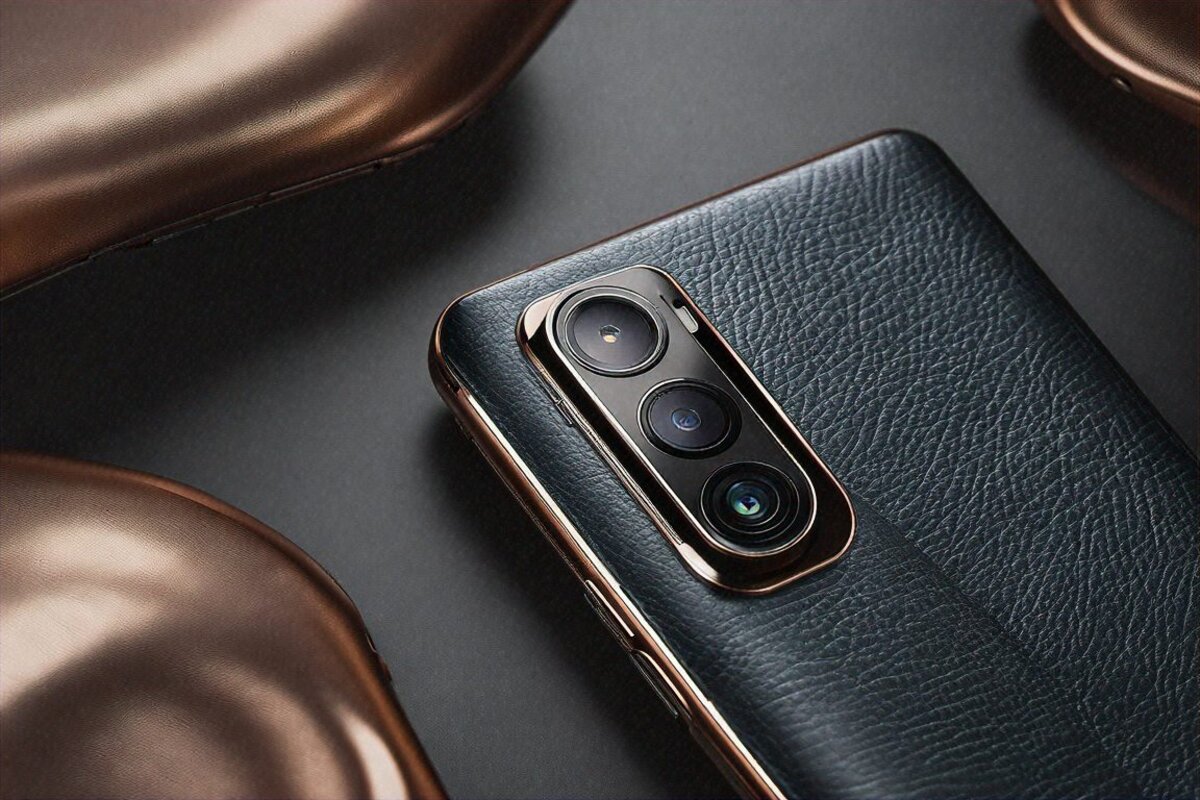
Build quality is the most tactile difference of the lot. Pick both up one after the other and you’ll instantly know which costs more. The OnePlus 13 has a micro-curve display that bends slightly at the edges, a vegan leather back option that feels properly premium, and a heft that announces “expensive” the second it touches your palm. IP69 means you could probably rinse it under a kitchen tap. I wouldn’t, but you could.
The POCO X7 Pro runs a flat display (some people actually prefer this — flat panels play nicer with screen protectors and edge swipes), a polycarbonate back that looks fine but feels like a ₹25,000 phone, and Gorilla Glass Victus 2 up front. IP64 means it’ll shrug off rain and dust. Not a pressure washer.
After two weeks the OnePlus still looked and felt new. The POCO had picked up a couple of micro-scratches on the back — nothing you’d see from a distance, but I could feel them. That’s polycarbonate versus the tougher materials on the OnePlus. A case fixes it entirely, and most people in India use one anyway, so file it under minor.
In-hand feel is personal. The OnePlus is slightly bigger (6.82 vs 6.67 inches) and a touch heavier. Some people find big phones awkward one-handed. My hands are average and I managed both, but the POCO sat more comfortably through long one-handed stretches on Metro commutes. Not a deal-breaker either way. Just a data point.
Battery life surprised me with how tight it ran. Both pack 6000mAh, and both got me through a full day of heavy use without anxiety. A typical day: 6-7 hours of screen time with plenty of scrolling, messaging, some camera, 30 minutes of gaming, and UPI payments scattered throughout. The OnePlus ended most days at 25-30%, the POCO at 20-25%. That 5% gap seems to come from the LTPO panel and the slightly more efficient Snapdragon. In real terms it’s maybe one extra hour before you reach for a charger. Nice, not life-changing.
Charging is where the OnePlus pulls away more decisively. 100W wired takes you from dead to full in about 36 minutes. The POCO’s 90W does the same in roughly 42. Six minutes sounds tiny, but the OnePlus also adds 50W wireless, which the POCO doesn’t have at all. If you’ve bought into the MagSafe or Qi2 world with a nice pad on your desk, the OnePlus plays along. The POCO sits it out.
Neither phone showed battery degradation in two weeks, obviously — far too short to tell. But both run 6000mAh cells with modern battery management, so longevity should land in the same place over a typical 2-3 year stretch.
Software deserves its own section, because OxygenOS and POCO’s HyperOS (built on MIUI) are very different to live with.
OxygenOS on the OnePlus 13 is clean. Not stock-Android clean, but close. Minimal bloat (a couple of Flipkart and Netflix pre-installs you can uninstall), smooth animations, a generally inoffensive look. OnePlus has promised 4 years of major Android updates and 5 years of security patches, which puts this phone on a path to Android 19. Solid.
HyperOS on the POCO X7 Pro is busier. More notifications, more pre-installed apps (some you can’t easily shift), and an interface that’s more opinionated about how you should use your phone. POCO and Xiaomi have committed to 3 years of major Android updates and 4 years of security patches. A bit behind OnePlus, but respectable at this price.
What genuinely grates about HyperOS is the ads. Yes, they’ve improved, and yes, you can switch most of them off in settings. But you shouldn’t have to. On a phone you paid ₹25,000 for, getting promo notifications from the default file manager is just annoying. OxygenOS doesn’t do this. It’s one of those things that never appears on a spec sheet yet shapes how much you actually enjoy the phone day to day.
Both handle Indian apps well. Google Pay, PhonePe, Paytm, Swiggy, Zomato, Ola, Uber — all smooth on either. No glitches. Banking apps, DigiLocker, Aadhaar-based services — all fine. Table stakes by now, but worth confirming.
A word on the “flagship killer” line POCO loves to push. I’ll be blunt: the POCO X7 Pro is not a flagship killer. It’s a fantastic mid-ranger that punches above its weight in specific areas — battery, raw performance for the money, display quality. But “flagship killer” implies it matches flagships everywhere, and it doesn’t. The camera gap is real. The build gap is real. The software-support gap is real. The missing wireless charging is real.
What the POCO X7 Pro actually is — and this is worth more than the label — is a smart allocation of budget. At ₹24,999, POCO put the money into a great display, a strong chip, a huge battery, and fast charging. It cut corners on build materials, camera processing, water resistance, and wireless charging. Reasonable trade-offs at this price. Calling it a flagship killer oversells it and sets up the kind of expectations that end in disappointment. Calling it the best phone under ₹25,000 in India? Yeah, I think that’s about right.
Let me talk about who each phone is genuinely for, because that matters more than which one “wins.”
A college student in Delhi or Bangalore, pulling maybe ₹10-15K from a part-time gig or an allowance, is set with the POCO X7 Pro at ₹24,999 for the next two or three years. Smooth performance, a great display for binge-watching, enough camera for Instagram, and battery that survives classes, commuting, and a night out. The ₹45,000 you keep? That’s three months of PG rent, a solid laptop, a whole semester of textbooks (if anyone still buys those). The maths is obvious.
A working professional earning well — someone taking client calls on it, shooting properties or products for work, wanting reliability across three or four years — leans toward the OnePlus 13. Better camera for professional contexts, longer software support, a premium build that ages well, and wireless charging that slots into a desk setup. The ₹69,999 stings less spread over three years of daily use — about ₹64 a day. The POCO at ₹24,999 works out to roughly ₹23 a day over the same period. Both are absurdly cheap for something you stare at 6-8 hours daily, when you put it that way.
Buying for your parents? Get the POCO. Seriously. Your parents don’t care about Hasselblad tuning or IP69 ratings. They want a phone that’s fast, lasts the day, and takes decent photos of the grandkids. The POCO does all that at a price that won’t make you wince when your father inevitably drops it in the kitchen.
A competitive mobile gamer — BGMI tournaments, daily Genshin grinds, that crowd — the OnePlus is worth the premium. The sustained-performance gap is real and it bites in competitive play, where dropped frames mean lost fights. Casual gamers, though? The POCO is more than enough.
There’s a version of this comparison I see everywhere that really bugs me. It goes: “The POCO gives you 90% of the flagship experience at 35% of the price, so it’s obviously the better value.” Sounds clever. It isn’t.
First, that “90%” is invented. Nobody owns a meter that measures “flagship experience.” In some areas — daily performance, battery, indoor display quality — the POCO probably delivers 95% of the OnePlus. In others — camera in tricky light, build durability, water resistance, software longevity — it’s more like 70-75%. Mashing those into one number is meaningless.
Second, “value” isn’t just a price-to-performance ratio. Value is whether a product does what you specifically need at a price you can specifically afford. For a college student, the POCO at ₹24,999 is incredible value. For a photographer it isn’t, because the camera limits hit exactly what they need. The “better value” phone is whichever one matches your use case inside your budget. Not a sexy conclusion. An honest one.
I’m also wary of the “save ₹45,000 and buy accessories” pitch, even though it’s everywhere (including, amusingly, in other reviews on this very site). Sure, you could grab a POCO and put the savings toward TWS earbuds and a smartwatch. But would you? Or would that ₹45,000 just dissolve into general spending? Be honest with yourself. If you’re genuinely disciplined enough to redirect it into other tech that improves your life, great. If you’re not — and most of us aren’t — the “total value” argument is theory, not practice.
After two weeks with both, here are the moments where I felt the difference most. Shooting a street-food reel at Chandni Chowk after sunset — the OnePlus caught the glow of the oil lamps and the steam off the jalebi with a warmth and clarity that made me stop and think “wow.” The POCO’s version was fine. Good, even. But it didn’t make me pause. That’s a ₹45,000 “wow” moment, and you have to decide whether those moments matter enough to pay for.
The other way round: two straight days on the POCO during a work trip to Jaipur — UPI, Google Maps, constant WhatsApp, loads of photos — and I didn’t miss the OnePlus once. Not once. The POCO did everything I needed, exactly as well as I needed it. That’s a ₹45,000 argument in the opposite direction.
The truth sits somewhere between, and it depends on who you are, what you do with your phone, and what ₹45,000 means to your bank balance. For some people ₹45,000 is a dinner. For others it’s a month’s rent. I can’t make that call for you, and I don’t think any reviewer honestly can.
The Bottom Line
OnePlus 13 Strengths
- Noticeably better camera in low light, portrait mode, and video
- Sustained gaming performance without throttling at max settings
- Premium build with IP69 water resistance and micro-curve display
- 50W wireless charging plus 100W wired for maximum flexibility
- Cleaner OxygenOS with 4 years of major updates promised
- 4500-nit display is superb in direct sunlight
POCO X7 Pro Strengths
- ₹45,000 cheaper with 90W charging and identical 6000mAh battery
- Daily performance is nearly indistinguishable from the OnePlus
- Excellent daylight camera quality for the price
- 1.5K AMOLED display at 120Hz is great for media consumption
- Compact enough for comfortable one-handed use
- Arguably the best phone under ₹25,000 in India right now
I won’t pretend there’s one right answer. Anyone telling you flatly “buy this one” without knowing your budget, your priorities, and how you use a phone is either lazy or dishonest. Maybe both.
What I’ll say is this: if you’re stretching to afford the OnePlus 13 — if buying it means giving up something else you need — don’t. The POCO X7 Pro at ₹24,999 is a genuinely excellent phone that’ll serve you well for two or three years with no real compromises in daily use. The differences between these two bite hardest in the edge cases: low-light photography, sustained gaming, outdoor display readability, long-term software support. If those edge cases aren’t part of your daily life, you won’t miss what you didn’t pay for.
And if ₹69,999 sits comfortably in your budget? The OnePlus 13 is a great phone. No argument. It does everything the POCO does and adds real improvements in the areas that justify the price. You won’t regret it.
The uncomfortable thing about comparing phones at wildly different prices is that it’s not really about the phones at all. It’s about money — how much you have, how much you’re willing to put toward a phone specifically, and what else that gap could do for you. I can compare cameras and processors all day. I can’t compare your finances to someone else’s. That part’s on you.
Our Rating: 8.6/10 · Price: ₹69,999

0 Comments