
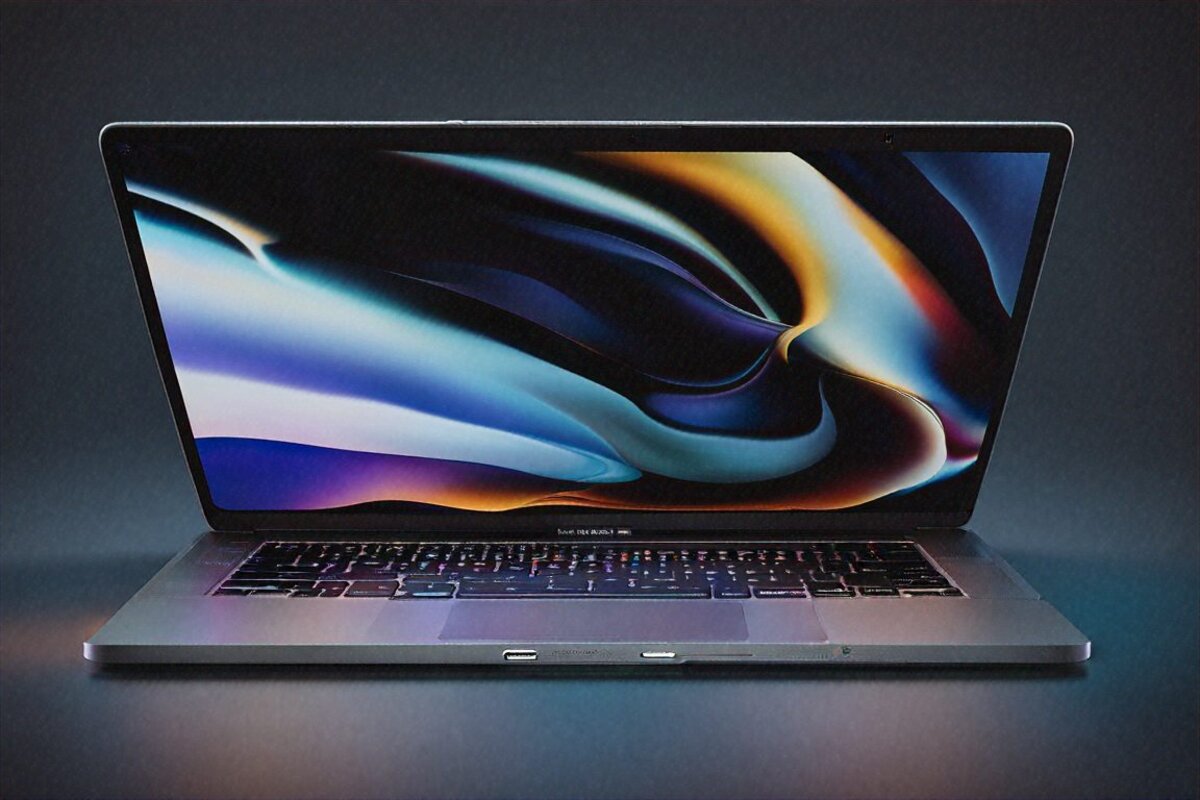
4K ProRes RAW Export: 8 Minutes 12 Seconds. The Windows Machine Took 26.
No preamble. Here’s the test. A 45-minute wedding film, 4K ProRes RAW off a RED Komodo. I dropped it into Final Cut Pro on the MacBook Pro M4 Max (48GB/1TB), graded it with three secondary corrections per clip, applied a LUT, added titles, transitions, and audio mastering, then exported the whole thing at 4K ProRes 422 HQ.
Eight minutes and twelve seconds.
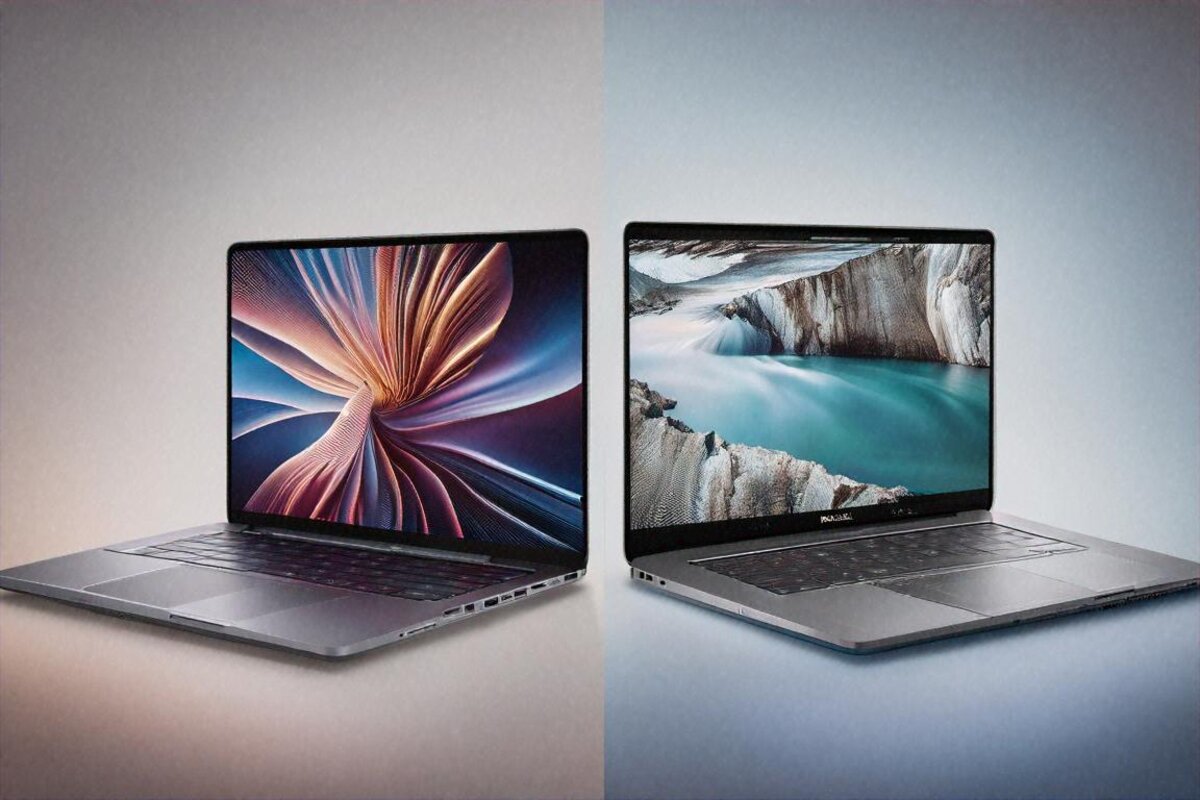
Then I rebuilt the same project in DaVinci Resolve on a Dell Precision 7680 — Intel i9-13950HX, RTX 4090, a ₹4-lakh-plus Windows workstation. Twenty-six minutes.
The MacBook Pro costs ₹3,49,900 and weighs 2.14 kilograms. The Dell tips 2.8kg. I sat watching the Dell’s progress bar crawl for another 18 minutes after the Mac had already finished, and I thought about what ₹3.5 lakh actually buys you in this line of work. Time. It buys time.
Spec Sheet — For the Record
Apple’s M4 Max: a 16-core CPU (12 performance plus 4 efficiency), a 40-core GPU, and a 16-core Neural Engine, all on TSMC’s 3nm process. My review unit was the base M4 Max — 48GB unified memory and a 1TB SSD — at ₹3,49,900. You can climb to 128GB of unified memory and 8TB of storage if the budget and the work both demand it.
The display is a 16.2-inch Liquid Retina XDR with ProMotion, 3456×2234, a mini-LED backlight with over 10,000 dimming zones, a 1-120Hz adaptive refresh, 1600 nits of peak HDR brightness, P3 wide colour, and True Tone.
Three Thunderbolt 5 ports. HDMI 2.1. An SD card slot — which, after years of asking, tells me Apple finally remembered that creative pros own cameras. MagSafe 3 with 140W charging. A 3.5mm headphone jack that drives high-impedance cans. Wi-Fi 6E. Bluetooth 5.3.
The 12MP Centre Stage webcam lives in the notch. The six-speaker system with force-cancelling woofers is built into the chassis, Touch ID sits on the power button, and it ships with macOS Sequoia.
Performance — Where Numbers Stop Sounding Real
I edit and grade video for a living. My clients are wedding filmmakers, corporate video producers, and ad agencies in Mumbai and Delhi, so my days are spent ingesting hundreds of gigabytes of ProRes and BRAW, cutting multi-cam timelines, laying down heavy grades, and shipping deliverables on tight deadlines. I’ve worked on the MacBook Pro 14 M3 Pro, a Razer Blade 18 with an RTX 4080, and the Dell Precision from earlier. The M4 Max plays a different game entirely.
In DaVinci Resolve, I got real-time 8K RAW playback with no proxies. Full-resolution grading with three or four nodes plus noise reduction stayed smooth, no dropped frames. That alone claws back hours on every job, because I skip the optimized-media step and just import, edit, export. The 40-core GPU and the unified memory architecture — where the CPU and GPU pull from the same fast pool — mean there’s no transfer bottleneck choking the handoff between processor and graphics.
Final Cut Pro is where Apple’s hardware-software lock-step gets almost unfair. ProRes encode and decode run on dedicated hardware in the M4 Max. I stacked multiple 4K ProRes streams on a timeline with effects and rendered titles, and playback stayed butter-smooth. At one point I had 11 video tracks playing at once with no hiccup. A Windows rig would’ve forced me to proxy at least half of them.
I ran Stable Diffusion too, since a few clients have started asking for AI-built marketing assets. Sixty images a minute at 512×512 off the Neural Engine — faster than a desktop RTX 4070 Ti on the same test. The Neural Engine plus unified memory makes AI inference surprisingly quick for a laptop chip.
For the developer side of me (I keep a couple of iOS apps running on the side), Xcode build times on a chunky SwiftUI codebase dropped about 35% against the M3 Pro. Simulator performance was smooth. Running Xcode and Final Cut Pro at the same time — a combo that brings most laptops to their knees — happened with no slowdown I could feel.
The 128GB configuration, which lives at the higher price tiers, wipes out memory limits for any creative workflow you could dream up. The 48GB in my unit was plenty for my work, but I can see VFX artists in After Effects or Nuke wanting the 96GB or 128GB tier.
The Display — Best Laptop Screen Money Can Buy
I’ve reviewed maybe thirty laptops over the past three years. The Liquid Retina XDR ProMotion panel on the 16-inch MacBook Pro is the best display of the lot.
Take the resolution first: 3456×2234 on a 16.2-inch panel. At a normal distance the pixels vanish. Text, UI, and image detail render so cleanly that everything else looks faintly blurry by comparison. For editing, seeing your footage at near-4K on the built-in screen means fewer trips out to a reference monitor.
The mini-LED backlight and its 10,000-plus dimming zones deliver real HDR. Black levels aren’t OLED-perfect — you’ll catch mild blooming when something very bright sits on a very dark field — but they’re far ahead of standard IPS. At 1600 nits peak for HDR and 1000 nits sustained full-screen, this panel can preview HDR deliverables accurately. For a freelance colourist working from home or on location, that’s a real change — you can make grading calls on the laptop and trust them.
ProMotion shifts the refresh rate anywhere from 1Hz to 120Hz based on what’s on screen. Scrubbing timelines at 120Hz is visibly smoother. Static content drops the rate to save power. You never think about it; it just runs in the background, sipping battery when nothing moves and turning silky the moment something does.
P3 wide colour with True Tone. For colour-sensitive work the panel ships factory-calibrated, accurate enough for client-facing decisions. I’ve delivered final grades judged purely on this display and never had a correction come back. That’s not something I’d say about most laptop screens.
Battery Life — The Impossible Part
Apple quotes 22 hours. I don’t hit 22. What I actually see: 14-18 hours of mixed productivity — email, browsing, Slack, light Lightroom, document work. On days of sustained Resolve editing, with real scrubbing, grading, and effects, I get 8-10 hours. On heavy Final Cut export days, closer to 6-7.
Those numbers are ridiculous for a machine with a 16-core CPU and a 40-core GPU. The Windows laptop from earlier? Its RTX 4090 and i9-13950HX manage 3-4 hours on similar creative loads. The MacBook Pro doubles or triples that while beating it on export times. Apple’s efficiency lead isn’t a small margin; it’s a different bracket.
The 140W MagSafe 3 charger hits 50% in about half an hour and tops off in under two. The brick is compact enough to travel with, and every Thunderbolt 5 port can also charge the machine, so you’ve got four different ways to power it.
Keyboard, Trackpad, Speakers
Magic Keyboard with Touch ID. The travel and feedback are excellent — crisp, quiet, comfortable for hours. Not quite ThinkPad territory for keyboard obsessives, but the gap has narrowed. For creatives who spend more time in timelines than text editors, it’s more than enough.
Force Touch trackpad. Best trackpad on any laptop, no argument. The haptic feedback fakes a physical click so well that I still sometimes forget the surface doesn’t actually move. macOS tunes the gestures perfectly. I work off the trackpad alone — no external mouse, even for precise edits.
The six-speaker system with force-cancelling woofers is the best laptop audio I’ve heard. Not “good for a laptop” — genuinely good, on par with a small Bluetooth speaker. There’s real bass. Spatial Audio with Dolby Atmos throws a wide soundstage for media. When I’m checking an audio mix on a rough cut before it goes to a sound designer, the built-in speakers actually work as reference listening. I couldn’t say that about any other laptop.
The Notch and the Webcam
Yes, there’s a notch holding the 12MP Centre Stage webcam. After a couple of years of notched MacBook Pros, I’ve stopped seeing it — my eyes just skip over it. macOS lays the menu bar out around it cleanly. If the notch still bothers you in 2026, I’m not sure what to tell you.
Centre Stage keeps you framed on calls, tracking you as you shift in your chair or lean off to grab something. For freelancers taking client calls from wherever — home office, cafe, a client’s meeting room — it means you stay centred and look the part without nudging the laptop around. The 12MP sensor is fine for calls; not great for shooting content, but that was never a laptop webcam’s job.
Connectivity
Three Thunderbolt 5 ports pushing up to 120Gbps. HDMI 2.1 for a direct line to 4K 120Hz or 8K 60Hz displays. A UHS-II SD reader that takes camera cards straight. MagSafe 3 so charging doesn’t eat a Thunderbolt port. And that 3.5mm jack with high-impedance support for studio headphones.
This loadout was clearly drawn up for creative pros. Camera cards slot in via the SD reader. External monitors hang off HDMI or Thunderbolt. The fast RAID storage arrays editors lean on connect over Thunderbolt 5 at full bandwidth. No dongle for the gear creatives actually use day to day.
Wi-Fi 6E and Bluetooth 5.3 cover wireless. The Continuity features — AirDrop, Universal Clipboard, Handoff, Sidecar (turning an iPad into a second screen) — slot in smoothly if you’re already in Apple’s world. And you get seven years of macOS updates promised.
Full Specifications
| Specification | Details |
|---|---|
| Chip | Apple M4 Max — 16-core CPU, 40-core GPU, 16-core Neural Engine |
| Memory | 48GB / 96GB / 128GB Unified Memory |
| Storage | 1TB / 2TB / 4TB / 8TB SSD |
| Display | 16.2″ Liquid Retina XDR ProMotion, 3456×2234, 1600 nits peak |
| Battery | Up to 22 hours (Apple rated) |
| Charging | 140W MagSafe 3 |
| Ports | 3x Thunderbolt 5, HDMI 2.1, SD card (UHS-II), 3.5mm, MagSafe 3 |
| Webcam | 12MP Centre Stage |
| Audio | Six-speaker system with force-cancelling woofers, Spatial Audio |
| Weight | 2.14 kg |
| Wireless | Wi-Fi 6E, Bluetooth 5.3 |
| OS | macOS Sequoia |
Pros
- M4 Max delivers the fastest creative workload performance of any laptop, period
- 14-18 hours battery for productivity, 6-10 for heavy creative work — unmatched
- Liquid Retina XDR ProMotion display is reference-grade for colour work
- Up to 128GB unified memory eliminates creative workflow bottlenecks
- Six-speaker system with Spatial Audio produces genuinely impressive sound
- Silent operation even under sustained heavy rendering loads
Cons
- ₹3,49,900 base price is prohibitive for non-professional buyers
- Locked Apple ecosystem — no Windows dual-boot on Apple Silicon
- Nothing is upgradeable after purchase — RAM, SSD, everything is fixed
- 2.14kg is heavier than MacBook Air users might expect
- macOS limits compatibility with some industry-specific Windows software
The Value Calculation for Indian Creative Professionals
At ₹3,49,900, this is one of the priciest laptops on sale in India. Justifying it needs a particular lens: a professional tool is an investment that earns itself back through what it saves you.
A freelance editor billing ₹2,000-5,000 an hour saves maybe 15-20 minutes per working hour through faster exports, proxy-free real-time playback, and smoother timelines. Across a year of full-time work, that’s 500-plus hours back. Multiply by your rate and the laptop pays for itself in months, not years.
For wedding filmmakers cutting 2-3 projects a week through peak season (October to February here), the difference between a 26-minute export and an 8-minute one, repeated across dozens of deliverables a month, is the difference between hitting deadlines and missing them. Or between sleeping at 11 PM and sleeping at 3 AM.
For a student or a casual user, though? It makes no financial sense at all. The MacBook Air M4 at ₹1,24,900 handles everyday tasks the same way for less than half the money. Only reach for the M4 Max if your income leans directly on the workloads it speeds up.
Build Quality and Daily Carry
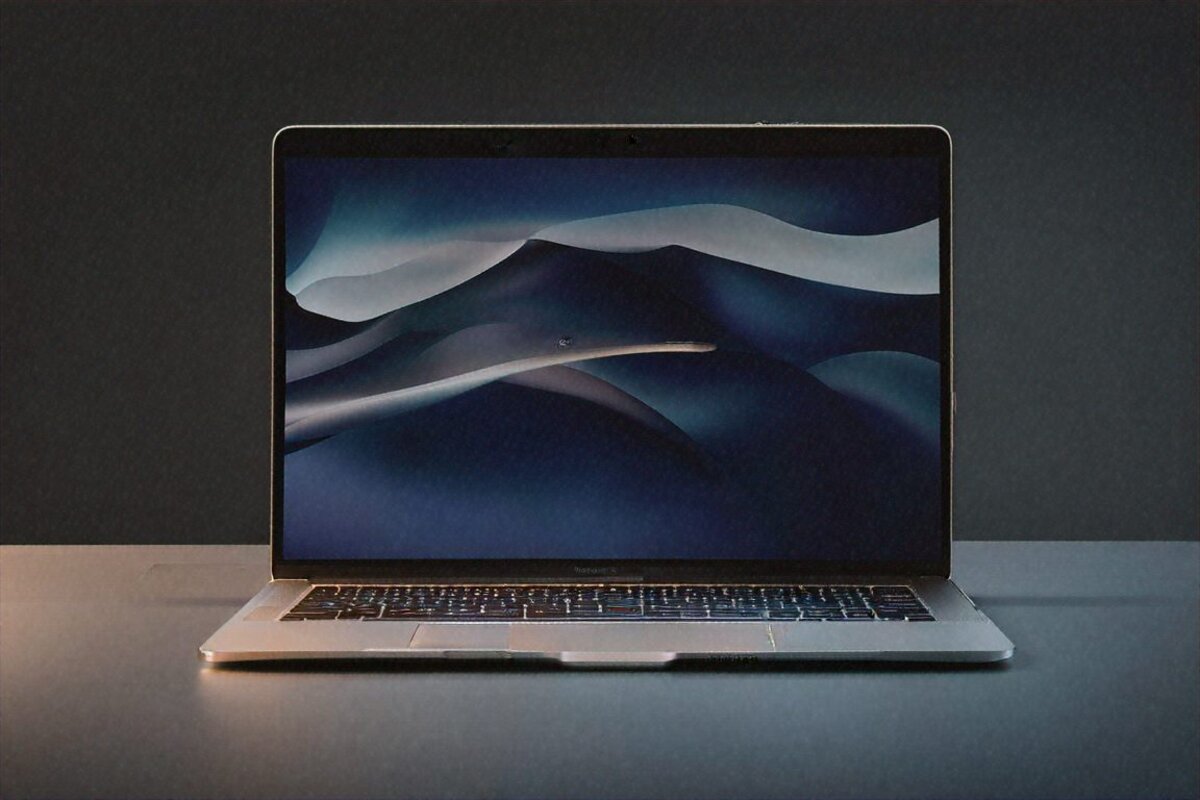
At 2.14 kilograms, the 16-inch MacBook Pro isn’t light. Next to the 1.24kg Air, you feel it in the bag. Next to a Windows workstation at 2.5-3kg, it’s manageable. I carry mine daily between home and studio — a 20-minute auto rickshaw ride and a walk through a packed lane in Lower Parel — without any grief.
The aluminium unibody is stiff and premium. No flex, no creak, no loose seams after weeks of daily hauling. The hinge opens one-fingered and holds at any angle. The Space Black finish (the only one I’d pick — Silver shows scratches more) shrugs off fingerprints better than the Midnight Air. A minor thing, but I like not having to wipe the laptop down before a client meeting.
The notch-and-bezel look splits opinion, but I’ve fully made peace with it. Menu bar items flow around the notch cleanly, nothing’s lost. Coming from a MacBook Air or an iPad, you won’t even notice the switch.
The Ecosystem Lock-In Question
I’ll deal with this because it shows up in every Apple review. Buy a MacBook Pro M4 Max and you’re tied to Apple’s ecosystem for your creative work. Final Cut Pro, Logic Pro, Compressor — all Mac-only. The cross-platform tools (DaVinci Resolve, Premiere Pro and the rest) run fine on macOS, but project files and plug-ins don’t always cross cleanly between Mac and Windows.
If your team runs Windows, your studio mandates Windows-only tools, or you have to swap project files with Windows collaborators without compatibility headaches, weigh that in. The M4 Max’s performance edge is real, but it lives inside Apple’s walled garden.
For independent freelancers who own their whole toolchain, no problem. For someone wired into a Windows-first production pipeline, it’s a genuine thing to think about.
A Small Story to End On
Last month I was grading a corporate film on location at a hotel in Jaipur. The power cut out. The generator caught, but the hotel Wi-Fi died with it. I had the MacBook Pro on battery, the Resolve project loaded, and 14 hours of charge left. I finished the grade, exported the deliverable, AirDropped it to the producer’s iPhone for a look, got the sign-off, and uploaded the final file when the Wi-Fi crawled back two hours later.
On my old Windows workstation, I’d have had maybe three hours of battery, no AirDrop, and a frantic hunt for a power outlet. The M4 Max didn’t just perform that day — it turned a small crisis into a non-event.
That’s worth ₹3,49,900 to me. Worth it to you? That depends on whether your work throws up moments like that one — and on whether a machine that handles them without flinching actually changes your working life.
Price in India
The MacBook Pro M4 Max starts at ₹3,49,900 in India for the 48GB/1TB build. Step up to 96GB or 128GB of memory, or storage as high as 8TB, and the price climbs a long way. You’ll find it on Apple.com/in, Amazon India, Flipkart, and authorised resellers like Imagine, iWorld, and Maple. Education pricing through Apple’s student portal is worth a look, and Apple’s trade-in along with Amazon exchange offers can pull the effective cost down if you’re moving up from an older MacBook.
Full Specifications
| Chip | Apple M4 Max 16-core CPU 40-core GPU |
|---|---|
| Memory | 48GB/96GB/128GB Unified |
| Storage | 512GB/1TB/2TB/4TB/8TB SSD |
| Display | 16.2" Liquid Retina XDR 3456×2234 120Hz |
| Battery | Up to 22 hours |
| Weight | 2.14 kg |
| OS | macOS Sequoia |
| Ports | 3x Thunderbolt 5 HDMI 2.1 SD card |
Pros
- M4 Max fastest laptop chip creative work
- 22-hour battery
- Liquid Retina XDR ProMotion display
- Up to 128GB unified memory
- Silent even under workloads
Cons
- Extremely expensive ₹3,49,900
- Locked Apple ecosystem
- Not upgradeable
- Heavier 2.14kg than Air
Our Rating: 9.5/10 · Price: ₹3,49,900

iPad Pro M4 12.9 is the ultimate content creation tablet. Paired with Apple Pencil Pro and Magic Keyboard, it replaces my laptop for 80% of tasks. Worth every rupee.