
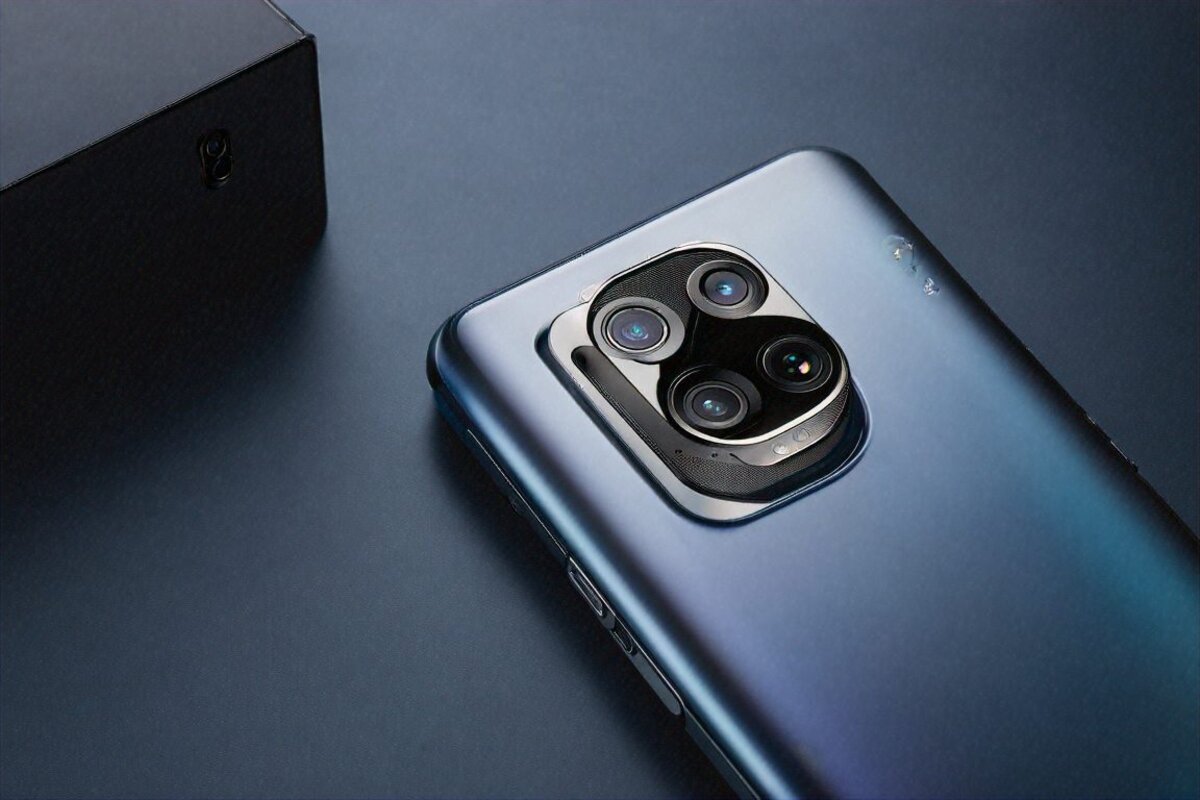
Roughly 73% of phones sold above Rs 40,000 in India through Q4 2025 came from either Samsung or Apple. Xiaomi would very much like to dent that figure. The Xiaomi 15 Pro at Rs 49,999 is the most aggressive swing they’ve taken at it — a phone with a 1-inch Leica-tuned sensor, Snapdragon 8 Gen 5, and 90W charging, all for less than Samsung asks for a mid-range Galaxy A with a fraction of the spec. Whether Xiaomi’s reputation lets it actually compete at this tier in India is a separate argument. But on hardware alone, the 15 Pro doesn’t merely keep up. It probably wins.
What Rs 49,999 actually gets you
A quick rundown, because the spec sheet reads like it belongs to a phone twice the price:
- Snapdragon 8 Gen 5 (3nm) — same as the Samsung S26 Ultra at Rs 1,34,999
- 50MP Sony LYT-900 main sensor — 1-inch type, with Leica Summilux branding
- 50MP 5x periscope telephoto and 50MP ultrawide
- 6.73-inch AMOLED display, 3200 nits peak brightness, 144Hz
- 5500mAh battery with 90W HyperCharge wired and 50W wireless
- IP68 dust and water resistance
- Ceramic back option
Read that list again. A 1-inch sensor with Leica glass, the quickest Android chip going, IP68, 90W wired, 50W wireless, and a 3200-nit screen — all under Rs 50,000. That’s the pitch, and it’s a good one.
Build and design
Three options: Black (glass), White (glass), and Ceramic White. The ceramic one is the one to chase if you can find it in stock. Ceramic as a back material has a cold, dense quality glass just can’t fake — pick it up and it feels like a slab of polished stone. Heavy in a good way, not a tiring one.
The frame’s a titanium alloy. Not Apple’s Grade 5 aerospace stuff, but a titanium blend that stiffens things up without piling on weight. At 215 grams it’s lighter than both the Samsung S26 Ultra (229g) and the OnePlus 14 Pro (219g), while matching the Samsung’s battery capacity.
A circular Leica module takes up the top of the back. Big and obvious. The Leica red dot sits beside the lens array. Some people find branded camera bumps a bit much; I think it looks clean and purposeful. And the bump’s shorter than last year’s, so the phone wobbles less when it’s flat on a table.
Buttons have good tactile feel. The SIM tray’s on the bottom edge next to the USB-C port and the speaker grille. The earpiece doubles as a second speaker, and for the price the stereo sound is surprisingly loud and clear.
Display
A CSOT Q9 AMOLED panel. 6.73 inches, 3200 x 1440, 144Hz, 3200 nits peak. The numbers are strong right across the board.
Day to day, the display is gorgeous. Colours come accurate out of the box with a well-judged white point — no blue or yellow cast to chase down in settings. HDR10+ and Dolby Vision on Netflix and Amazon Prime look rich and detailed. Watching “Dune: Part Two” in a dark room was borderline cinematic, which sounds like hyperbole until you actually try it.
Outdoor visibility at 3200 nits is excellent — brighter than the S26 Ultra (2600 nits) and the Pixel 10 Pro (2400 nits). In harsh sun the screen stays perfectly readable. The 144Hz makes scrolling feel fluid, though most of the time the adaptive system drops to lower rates to save power.
The under-display fingerprint reader is responsive and consistent — no gripes after two weeks. Face unlock is there as a backup, fast but less secure since it leans on the front camera rather than a depth sensor.
The camera: Leica’s hand is genuinely on it
The 50MP Sony LYT-900 is a 1-inch type sensor. A physically bigger sensor means more light per pixel, which feeds straight into better image quality — especially in low light, where smaller sensors drown in noise. This is the same class of sensor that was locked to Rs 80,000-plus phones barely a year ago.
Leica’s involvement runs deeper than a logo. There are two colour profiles: Leica Authentic (muted, slightly desaturated, film-like) and Leica Vibrant (punchier, closer to what Samsung or OnePlus put out). I kept switching between them depending on the subject — Authentic for portraits and street shots where I wanted that Leica character, Vibrant for landscapes and food where a bit of pop helps.
The midnight test in Bengaluru is where the camera genuinely surprised me. Around 11:30pm on a dim residential street, the 1-inch sensor pulled in enough light to make images that looked shot at golden hour — except they clearly weren’t, because the sky was black and the streetlights were lit. Shadow detail was clean. Noise stayed down. The dynamic range between a bright neon sign and a dark alley was handled remarkably well. These are frames that would test a proper mirrorless camera, and the phone managed them with no special modes or manual fiddling.
The Leica Summilux glass gives a rendering portrait shooters will recognise. Skin gets a three-dimensional quality, colours are warm without sliding into oversaturation, and there’s a gentle vignette in the Authentic mode that lends photos a timeless feel. Not everyone wants their phone aping a 1960s film camera. The ones who do will find it deeply satisfying.
The 50MP 5x periscope handles zoom. Sharp at its native 5x, usable at 10x with some detail loss, and acceptable at 20x for working out what a distant object is, if not for posting. Colour matching between the main and telephoto is consistent now, which Xiaomi wrestled with in earlier generations.
A 50MP ultrawide rounds it out. Wide field of view, distortion kept in check. Good for group shots, architecture, landscapes. Not the strongest ultrawide I’ve used (OnePlus’s has a touch less edge softness), but solid for the money.
The front camera is 32MP at f/2.0. Fine for selfies and video calls. Skin smoothing is on by default but you can dial it to zero in settings, which is how I’d run it.
Rear video tops out at 4K 60fps with good stabilisation. The footage is detailed, and colour stays consistent between lenses while recording — a nice touch, since some phones shift colour temperature the moment you swap from main to telephoto mid-clip. The stereo mics capture voice cleanly even in moderately noisy spots. Not iPhone-level video, to be clear, but plenty for the occasional travel clip or family moment.
Snapdragon 8 Gen 5 performance
Same chip as the Samsung S26 Ultra. Same chip as the OnePlus 14 Pro. Paired here with 12GB of LPDDR6 (a 16GB option exists).
Performance is exactly what you’d want from the fastest Android silicon out there. Everything’s instant — app launches, juggling a dozen open apps, heavy photo editing, 4K exports, none of it makes the phone pause. BGMI maxed out ran smoothly through hour-long sessions. Xiaomi’s cooling kept the back warm but never hot.
If you’ve read any of the other reviews in this series, you know the Snapdragon 8 Gen 5 story already. It’s fast. Very fast. The thing separating phones that use it comes down to thermal management and software tuning, and Xiaomi’s done a competent job on both.
Storage is UFS 4.1, so installs and transfers are quick. It comes in 256GB and 512GB. No microSD slot, no expandable storage — plan accordingly.
I ran a few informal benchmark runs against the OnePlus 14 Pro (same chip, 16GB) and the results were neck and neck across the lot. App launch times the same. Gaming frame rates the same. The Xiaomi ran a degree or two warmer under sustained load, which might point to slightly less aggressive thermal management, but the difference was too small to feel in real use. Both phones ate everything I gave them.
One genuinely interesting bit is HyperOS’s memory extension — Xiaomi borrows a slice of the UFS 4.1 storage as virtual RAM, stretching the effective memory past the physical 12GB. In practice that means apps stay alive longer before being killed. On a day when I had about 18 apps in recents, none reloaded when I came back to them. Whether that’s the virtual RAM or just 12GB being enough is hard to say, but it was smooth either way.
Battery and charging
5500mAh, same as the Samsung S26 Ultra. A full day of heavy use reliably gave me 7 to 8 hours of screen-on time, with lighter days creeping toward 9. Nothing unusual for this capacity and this chip — broadly in line with what Samsung delivers.
Charging is where Xiaomi pulls ahead. 90W HyperCharge fills it from empty to full in under 40 minutes — quicker than Samsung’s 65W (55 minutes) and well clear of Apple’s 45W (about 70 minutes for a full top-up). And the 90W charger’s in the box.
Wireless is 50W, fast enough that a 20-minute rest on a pad adds a meaningful chunk. There’s reverse wireless for topping up earbuds or a watch too, though it’s slow enough to only really suit accessories with tiny batteries.
HyperOS 2: the catch
Here’s where the value equation gets messy. HyperOS 2, on Android 16, is a mixed bag.
The good: it’s quick, the animations are smooth, customisation runs deep (themes, icon packs, always-on styles, lock screen widgets), and the settings menu is laid out sensibly. Xiaomi promises three years of Android updates and four of security patches — short of Google’s seven, but fair for the price.
The bad: bloatware. Xiaomi pre-loads a pile of its own apps (Mi Browser, Mi Video, Mi Music and friends) alongside a few third-party ones that show up during setup. Most can be uninstalled or disabled, but the fact they’re there at all on a Rs 49,999 phone grates. Worse, some Xiaomi system apps still throw the occasional ad — settings recommendations, notification nudges for Xiaomi products, suggested apps in the drawer. You can switch them off by digging through a few menus, but having to disable ads on a phone you paid fifty thousand rupees for is a fair thing to be annoyed by.
If bloatware and the odd ad are dealbreakers, the OnePlus 14 Pro (OxygenOS) or Pixel 10 Pro (stock Android) give you cleaner software. If you can spend 15 minutes turning things off after setup and then mostly forget about it, HyperOS 2 is perfectly fine to live with.
Connectivity and the extras
Twelve 5G bands cover every Indian operator — Jio True 5G, Airtel 5G Plus, the rest. Wi-Fi 7 for fast home speeds. Bluetooth 5.4 with stable audio. NFC for Google Pay taps.
There’s an IR blaster on the top edge. Small thing, but handy. I grabbed a universal remote app and ran my Samsung TV, a Daikin AC, and a set-top box off it. One fewer remote cluttering the table.
Cross-device features work with other Xiaomi kit — clipboard sharing with a Xiaomi laptop, screen casting to a Xiaomi TV, smart home control for Xiaomi IoT gear. If you’re already in Xiaomi’s ecosystem it adds something. If you’re not, it’s beside the point.
After-sales, the India reality
Xiaomi’s service network here is broad for budget phones but thinner for premium ones. In the metros — Delhi, Mumbai, Bengaluru, Chennai, Hyderabad — finding an authorised centre is easy. In tier-2 and tier-3 cities, less so. Samsung’s network is still the gold standard in India, and Xiaomi isn’t there yet.
Worth weighing into your decision, especially if you live outside a big city. A phone that performs brilliantly is little comfort if getting it fixed means a trip to the next city over.
Calls and everyday use
Since this is a Rs 49,999 phone going up against devices nearly three times the price, it’s worth covering the mundane stuff reviews sometimes skip. Call quality on both Jio and Airtel 5G was clear and steady — no drops across a week of regular calls. The earpiece is loud enough for noisy spots like an auto ride or a crowded market. Speakerphone’s good too, the stereo setup giving decent volume and clarity.
Haptics are noticeably better than last year’s Xiaomi 14 Pro. Typing produces a tight, controlled buzz rather than the cheap rattle of a budget motor. Not iPhone-grade (Apple’s still ahead), but close enough that you won’t feel short-changed. Notification taps are crisp in the same way.
GPS was solid in testing, on Maps across Bengaluru’s choked roads. Lock times were fast — usually under three seconds after opening the app. No phantom drift or wrong positioning in the spots where tall buildings block the sky.
Face unlock via the front camera is quick in good light and decent in dim conditions, though it gave up a couple of times in near-total darkness. The fingerprint reader’s the more reliable option. Both can run at once, and the phone uses whichever clocks you first.
Specifications
| Specification | Details |
|---|---|
| Processor | Snapdragon 8 Gen 5 (3nm) |
| RAM | 12GB / 16GB LPDDR6 |
| Storage | 256GB / 512GB UFS 4.1 |
| Display | 6.73-inch AMOLED, 3200×1440, 144Hz |
| Main Camera | 50MP 1-inch Sony LYT-900, Leica Summilux |
| Ultrawide | 50MP f/2.2 |
| Telephoto | 50MP 5x periscope f/2.5 |
| Front Camera | 32MP f/2.0 |
| Battery | 5500mAh |
| Charging | 90W HyperCharge wired, 50W wireless |
| OS | HyperOS 2, Android 16 |
| IP Rating | IP68 |
| Weight | 215g |
Pros and Cons
Pros
- 1-inch Leica-tuned sensor at Rs 49,999 is an absurd value proposition
- Snapdragon 8 Gen 5 — the same flagship chip in phones costing Rs 1,35,000
- 90W charging fills the 5500mAh battery in under 40 minutes
- 3200-nit 144Hz AMOLED display is one of the best in any price segment
- Ceramic back option gives a premium feel that glass can’t match
Cons
- HyperOS includes bloatware and occasional ads that require manual disabling
- Service centre availability is weaker in smaller cities compared to Samsung
- After-sales reputation hasn’t fully caught up to the premium hardware quality
- No stylus, no expandable storage
Price and availability
Rs 49,999 for the 12GB/256GB variant. Available on Mi.com, Flipkart, and select Xiaomi retail stores.
The bottom line
At Rs 49,999, the Xiaomi 15 Pro hands you a 1-inch Leica camera, Snapdragon 8 Gen 5, IP68, 90W charging, and one of the brightest displays on any phone at any price. Samsung charges Rs 1,34,999 for roughly the same hardware. Apple charges Rs 1,59,900. The spec-for-rupee value is hard to argue with.
What Xiaomi can’t give you at this price is Samsung’s retail reach, Apple’s ecosystem, OnePlus’s clean software, or Google’s seven-year update promise. Those things have value too, and they’re the reason some people will pay more for a rival phone despite getting similar or worse hardware.
But if camera quality and raw performance per rupee is what you’re after, the Xiaomi 15 Pro is the best phone under Rs 60,000 in India right now. Maybe the best under Rs 80,000. The hardware would justify a price well above what Xiaomi’s actually asking.
Full Specifications
| Processor | Snapdragon 8 Gen 5 (3nm) |
|---|---|
| RAM | 12GB/16GB LPDDR6 |
| Storage | 256GB/512GB UFS 4.1 |
| Display | 6.73" AMOLED 144Hz |
| Main Camera | 50MP 1-inch LYT-900 Leica |
| Battery | 5500mAh |
| Charging | 90W HyperCharge wired, 50W wireless |
| OS | HyperOS 2 Android 16 |
| IP Rating | IP68 |
| Weight | 215g |
Pros
- Leica 1-inch sensor at incredible price
- Snapdragon 8 Gen 5 flagship
- 90W charging in 40 minutes
- 3200-nit 144Hz display
- Ceramic back premium feel
Cons
- HyperOS has bloatware
- Limited availability outside cities
- Smaller service network
- No stylus or expandable storage
Our Rating: 8.5/10 · Price: ₹49,999
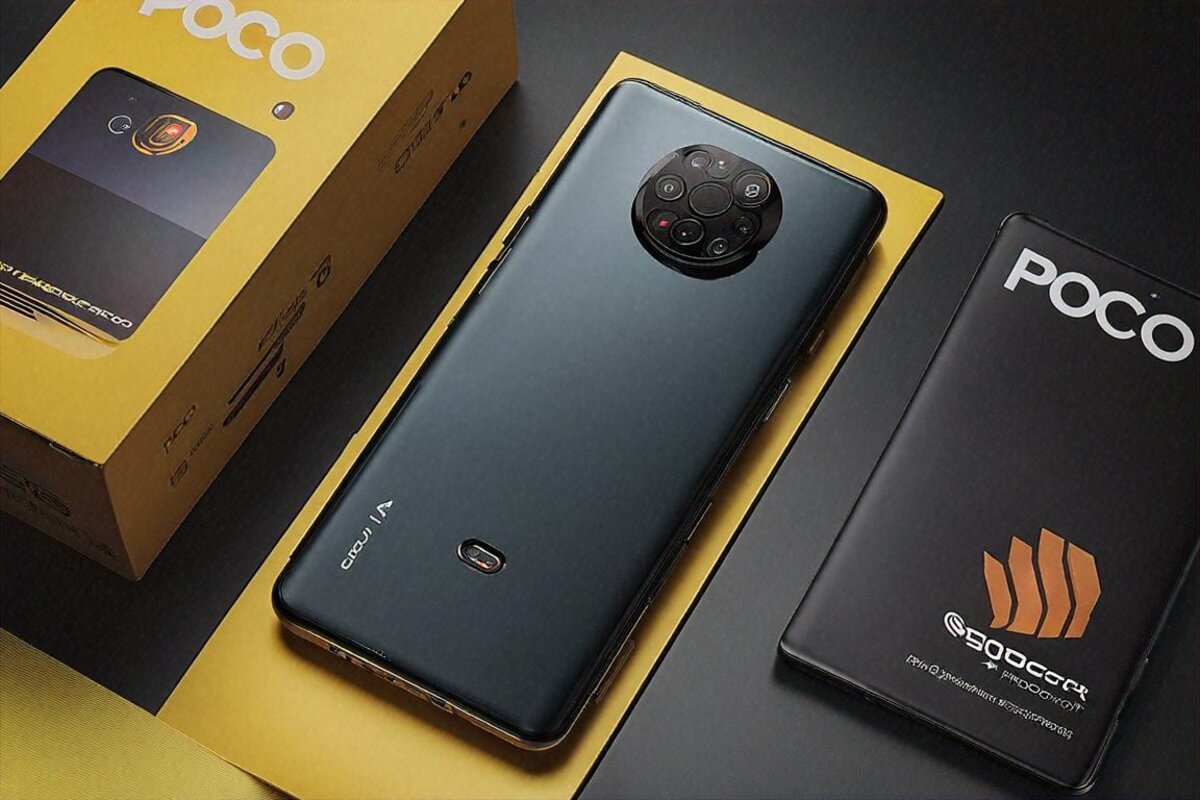
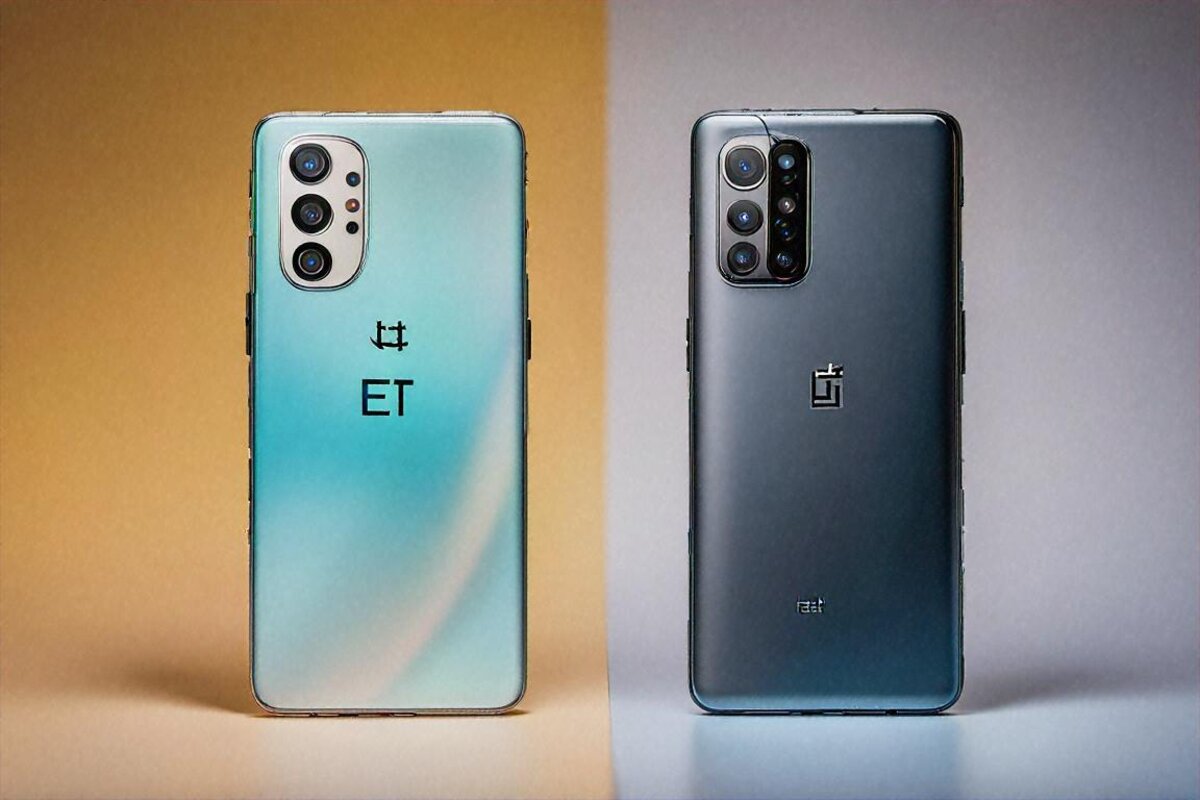

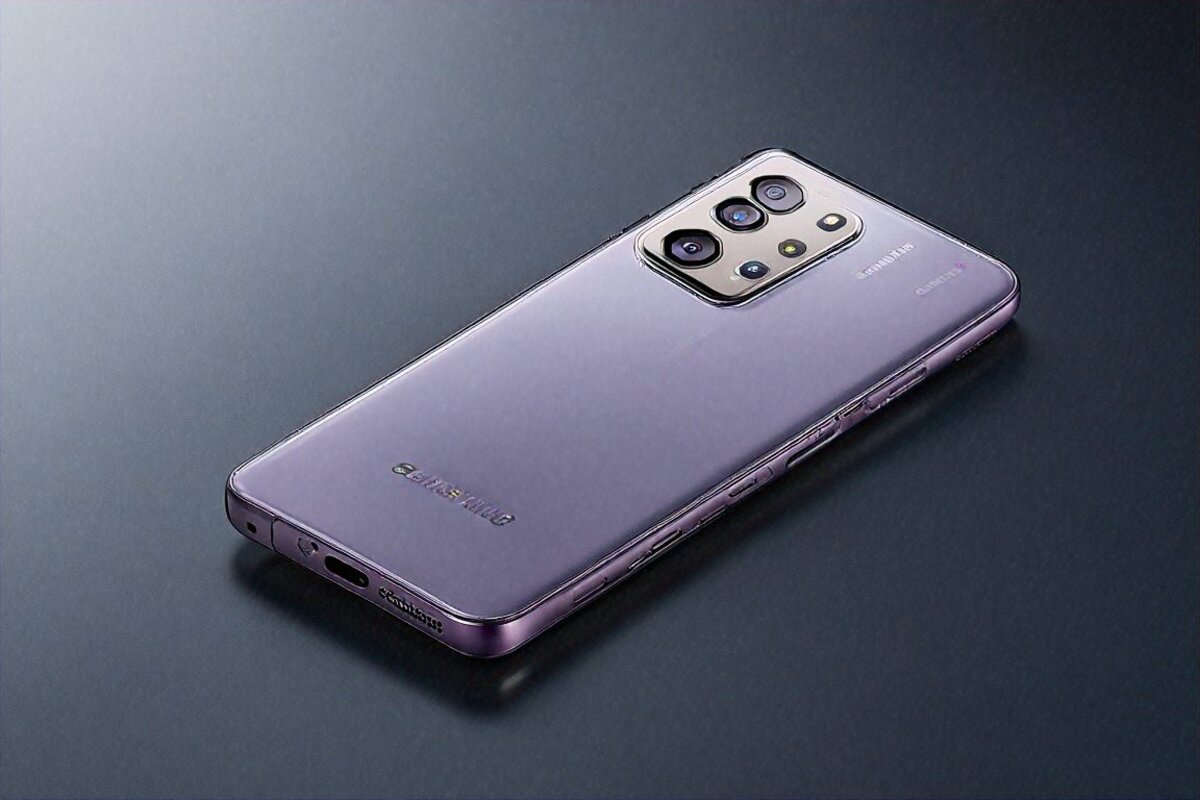
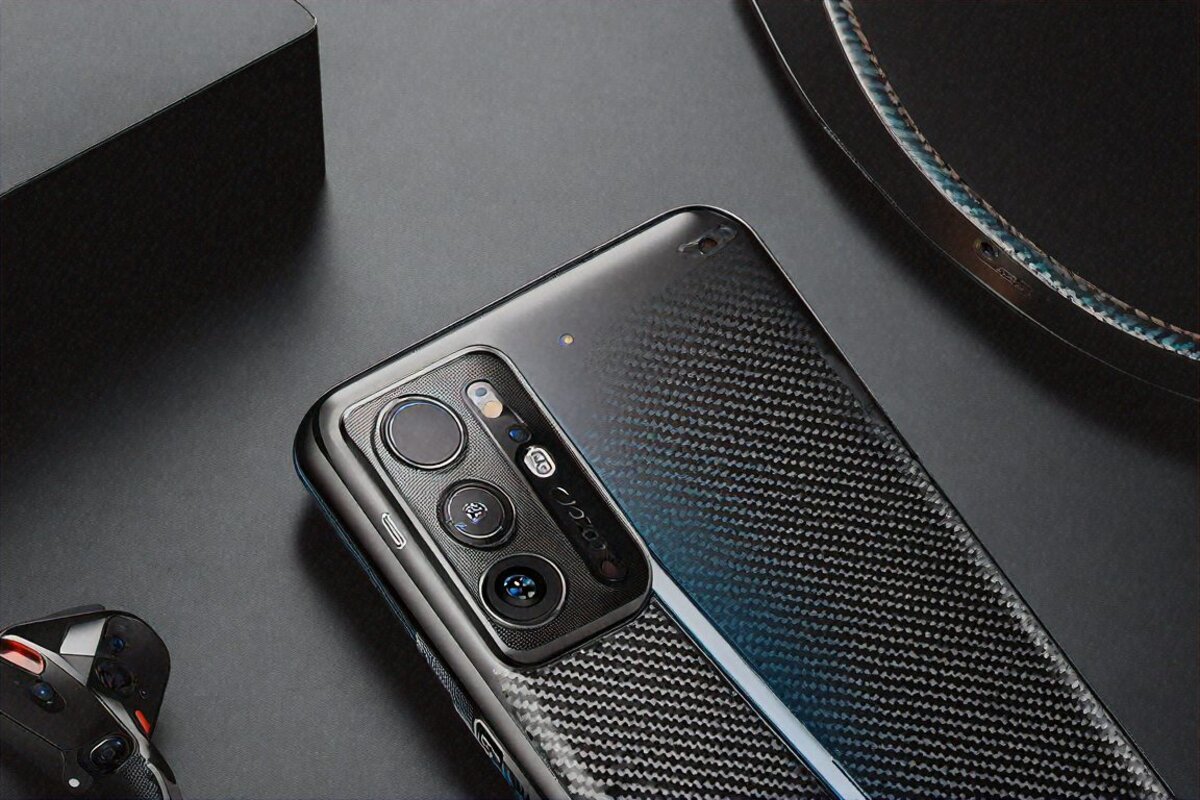
Xiaomi 15 Pro packs incredible specs for the price. The Leica quad camera system is miles ahead of what we expected. Xiaomi has really upped their game.