
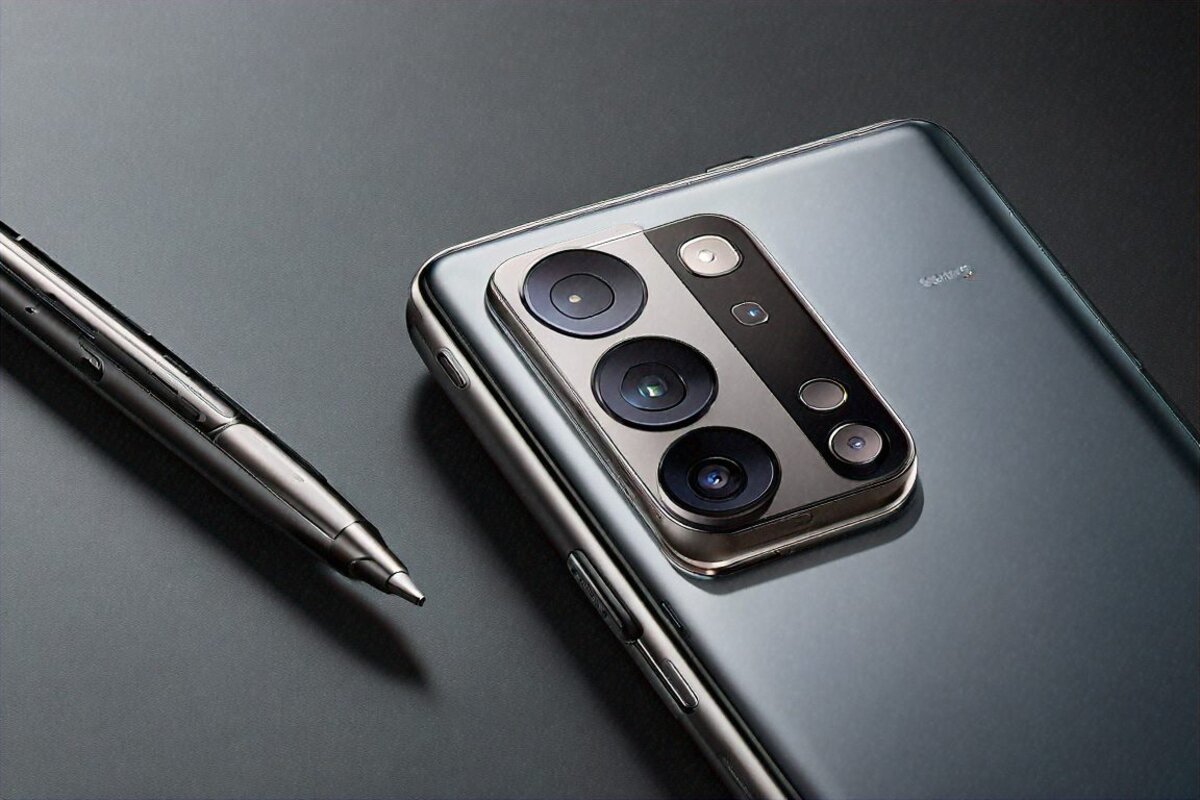
Two weeks. That’s how long the Galaxy S26 Ultra has lived in my pocket — through packed Delhi metro rides, a few unbearable Mumbai afternoons, and a Bengaluru weekend where I shot maybe 400 photos I’ll never look at again. And the thing I keep landing on is this: it feels like Samsung actually listened. Not the usual once-a-year polish. More like someone made a list of everything that bugged people about the S25 Ultra and quietly worked through it.
Quick version, for anyone skimming on a lunch break. You get the Snapdragon 8 Gen 5, a 200MP main camera built around a new ISOCELL HM9 sensor, a 5500mAh battery, 65W charging at long last, and yes, the S Pen’s still tucked inside. The number that hurts: Rs 1,34,999 for the base 12GB/256GB. We’ll come back to that.
Opening the box (such as it is)
No charger. Again. At this price it’s a little galling, honestly. You get the phone, a USB-C cable, the S Pen already seated, the SIM tool, and the usual paperwork. So if there isn’t a 65W brick already in your drawer, set aside another Rs 2,000 or so.
Picking it up the first time, though, I noticed something straight away. The corners. Older Ultras had this hard, boxy edge that pressed into your palm on long calls — Samsung’s softened them, and it changes the feel more than a spec sheet would ever suggest. My hands aren’t large. I clocked the difference inside five minutes.
Build: heavy, but it earns it
229 grams. No getting around it — you’ll feel this one in your jeans. What saves it is the balance. Hold it in landscape for a YouTube video and it doesn’t tip forward the way some heavy phones do; the weight sits evenly across your fingers.
The frame is Armor Aluminum 2.0, with Gorilla Glass Armor 2 front and back. I dropped it once — waist height, bare, onto tile, because apparently I’m that guy now — and there wasn’t a mark on it. Could’ve been luck. Still, I flinched and it didn’t.
Four colours: Titanium Black, Titanium Grey, Titanium Violet, and a limited Titanium Blue that’ll vanish fast. Mine’s the Grey, and it hides fingerprints better than I expected. The S Pen silo sits bottom-right, same as ever, but the pen’s a touch thicker this year for grip. Does it help? A bit — my on-screen scrawl looked marginally less embarrassing than usual, which is the most honest praise I can give.
The display does things no rival manages
This is the part where nobody else is close. The 6.9-inch Dynamic AMOLED 2X tops out at 2600 nits, and I’ll put it plainly: standing outside Connaught Place at 2pm in May, I could read the screen. No cupped hand, no squinting, no angling for shade. Just legible. First phone that’s ever managed that for me.
It’s a 3088 x 1440 panel running adaptive 120Hz. Scrolling Instagram is butter, and HDR stuff on Netflix genuinely looks lovely. There’s a Vision Booster trick where it reads your surroundings and nudges colour and contrast to suit — tube light at home, blazing sun outside, a dim restaurant, the screen just adjusts and you never touch a thing. The one nag: at lower brightness in a pitch-dark room you can catch a faint shimmer if you go hunting for it. Most people won’t.
The under-display fingerprint reader is third-gen ultrasonic now, and quick. I timed it with a stopwatch app, not lab gear, so take it loosely — felt sub-300ms, and roughly nine unlocks in ten landed first try, even with damp fingers after washing up. On the S25 Ultra I’d sometimes need a second tap. Not anymore.
Four lenses, and not one of them is filler
Bear with me here, because Samsung crammed a lot into this camera and I’ve got something to say about each piece.
The main shooter is a 200MP ISOCELL HM9 behind an f/1.7 aperture — wider than last year’s f/1.8. Tiny on paper. In practice, a few low-light frames I grabbed around 11pm on a badly lit Delhi street came back noticeably cleaner: more detail in the shadows, less grain in the sky, colours that hadn’t been beaten into a filter.
Daytime is, no surprise, excellent. The dynamic range is almost silly — I shot a friend backlit against a window and the phone held his face and the bright sky outside at the same time. It’s not flawless. Zoom right in and there’s a faint halo where the contrast spikes. But for posting, or even a decent print, it’s brilliant.
The 12MP ultrawide finally gets autofocus, which means proper macro down to about 3cm. I pointed it at some flowers in Lodhi Garden and the detail caught me off guard — individual pollen grains, a tiny insect in the background I hadn’t even spotted while shooting. Samsung sat on this gap for years, so it’s good to see it closed.
Then the telephoto pair, which is where it gets fun: a 50MP 3x optical and a 50MP 5x periscope. Add the main sensor and that’s four real focal lengths. At a friend’s birthday dinner — mixed, ugly restaurant lighting — I hopped between all four and each one held. The 5x is the standout for catching someone candidly across a crowded room when you can’t physically move closer.
Nightography’s been tuned again. A handful of shots near India Gate around 1am came out looking like the actual scene — none of that over-brightened, scrubbed-clean night-mode look. Skin tones stayed warm without sliding orange, which is a complaint I’ve thrown at older Samsungs more than once.
Oh, and the 50MP front camera shoots 8K selfie video now. Does anyone need 8K of their own face? Not really. But a creator who wants to crop in hard during editing without the footage falling apart will be glad it’s there.
Performance: about as quick as Android gets
Snapdragon 8 Gen 5 on a 3nm process, 12GB of LPDDR6 alongside it. If raw numbers are your thing, this is the fastest Android setup you can buy in early 2026. But what’s it like to actually live with?
Quick. Stupidly quick. Heavy apps open the instant you tap them, not just the lightweight ones — Lightroom chewing on a 200MP RAW was open in under two seconds. BGMI maxed out held a locked 60fps through an hour with no stutter. I went in trying to trip this thing up and just couldn’t.
There’s a multi-layer copper vapor cooling rig inside, and you can tell. After that hour of gaming the back was warm — 41, 42 degrees if I’m guessing — but never the kind of hot that makes you put a phone down. Older Galaxys ran a fair bit warmer doing the same thing.
One UI 8.0 on Android 16 handles memory well, too. I kept about 15 apps in recents and jumped back to one I’d opened 20 minutes earlier — no reload, it just resumed. Sounds trivial until you’re the sort who bounces between WhatsApp, Chrome, a notes app and the camera all day. Then it’s the difference between smooth and maddening.
Battery and charging
The 5500mAh cell gave me 7 to 8 hours of screen-on time, reliably. My days ran something like: a lot of WhatsApp, an hour of Instagram and Twitter, half an hour or so of camera, some Spotify, and maybe 20 minutes of BGMI. On quieter days — mostly texting and browsing — I cleared 9 hours.
Charging is where Samsung finally stopped being stubborn. 65W wired takes you from flat to full in roughly 55 minutes. Not class-leading — OnePlus is over at 100W clearing its throat — but a huge leap from the 45W Samsung clung to for years. Hitting 50% in under 25 minutes is genuinely handy when you’re topping up before you head out the door.
Wireless sits at 25W, plenty for an overnight rest on a pad. There’s 15W reverse wireless too, for feeding your Galaxy Watch or buds. I reached for that more than I thought I would.
The S Pen: still here, still earns its slot
Samsung’s the last company still putting a real stylus in a flagship, and I’m glad they haven’t blinked. The S26 Ultra’s pen has what Samsung calls “zero latency” — I doubt it’s literally zero, but the lag between the nib and the ink on screen has shrunk to where it honestly feels like paper. Scribbling notes mid-meeting? Done. A rough sketch while thinking out loud? Weirdly natural.
Air Actions are still around — wave the pen to skip a song or run a slideshow. I use them maybe once a week, and I wouldn’t grieve if they vanished. Screen-off memo, though, where you yank the pen out and write straight on the locked screen — that one I’m on almost daily. Grocery lists, a number someone’s rattling off, a stray thought. Faster than unlocking and finding a notes app every time.
Calls, speakers, the everyday stuff
For Rs 1,34,999, the boring basics had better be right. They are. Calls on Jio 5G and Airtel 5G stayed clear, voices natural and loud enough through the earpiece even with noise around. I took a couple on a heaving metro platform and could hear the other person without mashing the phone into my ear.
The stereo speakers are loud. Earpiece up top, driver down the bottom, and the balance is decent — clear mids, a bit of actual bass for a phone, enough to fill a small bedroom with a YouTube video and no headphones. Among the best phone speakers I’ve used, and Samsung’s been good here for a few years running.
Haptics are the best they’ve done. Typing feels precise, notification buzzes are crisp. If you’ve used an iPhone and wished Samsung’s haptics matched — they’re close now. Not identical, but the gap’s narrowed to where most people wouldn’t pick the difference blind.
Software: One UI 8.0 on Android 16
One UI’s come a long way from the bloated, sluggish days. Version 8.0 is clean and quick and mostly sensible. The AI’s woven through now — Circle to Search is great for IDing a product or a building, live translation on calls handles Hindi-English code-switching better than I expected, and the photo edit tools yank objects out of a shot without leaving an obvious smear.
Bloatware lingers — a few Samsung apps, a couple of partner ones that turned up during setup. All removable, which wasn’t true a couple of years back. The Galaxy AI stuff Samsung loves to push is a coin toss. Summarising a long article? Genuinely handy. Auto-writing replies to messages? The tone was almost always off and I killed it on day two.
Specifications
| Specification | Details |
|---|---|
| Processor | Snapdragon 8 Gen 5 (3nm) |
| RAM | 12GB / 16GB LPDDR6 |
| Storage | 256GB / 512GB / 1TB UFS 4.1 |
| Display | 6.9-inch Dynamic AMOLED 2X, 3088×1440, 120Hz |
| Main Camera | 200MP f/1.7 ISOCELL HM9 |
| Ultrawide | 12MP f/2.2 with AF |
| Telephoto 1 | 50MP 3x optical f/2.4 |
| Telephoto 2 | 50MP 5x periscope f/3.4 |
| Front Camera | 50MP f/2.2 |
| Battery | 5500mAh |
| Charging | 65W wired, 25W wireless, 15W reverse wireless |
| OS | Android 16, One UI 8.0 |
| IP Rating | IP68 |
| Weight | 229g |
Pros and Cons
Pros
- Four-camera system with no weak lens — every focal length delivers
- 2600-nit display that’s readable in the harshest Indian sunlight
- S Pen still included with noticeably improved latency
- 65W charging is a long-overdue upgrade, and the 5500mAh battery backs it up
- Snapdragon 8 Gen 5 performance is untouchable on Android
Cons
- Rs 1,34,999 is a LOT of money for a phone
- 229 grams — your pinky will know about it during long calls
- No charger in the box at this price is hard to defend
- One-handed use is basically impossible unless you’ve got massive hands
So who’s this actually for?
If you want the lot in one device — the best Android camera, a stylus that earns its keep, a screen you can read anywhere, all-day battery, and the quickest chip going — this is the phone. Nothing else on Android covers this much ground this well.
Coming from an S24 or S25 Ultra, the maths gets fuzzier. The gains are real — charging, camera, thermals all moved — but whether they’re worth Rs 1,34,999 again depends entirely on which of those you actually use. S24 owners have the stronger case to jump, I’d say. S25 owners, less so. That’s my read, anyway.
About that price
Rs 1,34,999. There’s the thing nobody can talk around, and that’s just the 12GB/256GB. Want the 16GB/512GB? More again. You’ll find it on Samsung.com, Amazon India, Flipkart, and Samsung Experience Stores around the country.
Worth it? For the right person, yes. A photographer who doesn’t want to lug a second camera, someone who scribbles notes all day, anyone who needs one phone that goes from gaming to video edits without complaint — the price tracks what you get. But if you mostly scroll and watch YouTube, you could pocket Rs 60,000 and pull about 85% of this experience from something like the Xiaomi 15 Pro.
Final thoughts
I keep circling back to the cameras. After two weeks, every other phone’s setup feels like it’s short something — a focal length, a bit of detail, some capability. The 200MP main, the finally-useful ultrawide with AF, the twin telephotos — it’s the most complete camera package I’ve shot with this year.
Samsung gets credit for the charging, too. 65W isn’t the fastest out there, fine, but it’s quick enough to stop being a real grievance. Pair it with the bigger 5500mAh cell and the S26 Ultra goes from a phone you worry about to one you mostly forget to charge.
Best Android phone in India right now? Probably, yeah. Whether that’s the question you’re asking — whether you need the best rather than something great at half the cost — only you can sort that out. I’ve handed back a lot of phones. This one I didn’t want to. Make of that what you will.
Full Specifications
| Processor | Snapdragon 8 Gen 5 (3nm) |
|---|---|
| RAM | 12GB/16GB LPDDR6 |
| Storage | 256GB/512GB/1TB UFS 4.1 |
| Display | 6.9" Dynamic AMOLED 2X 120Hz |
| Main Camera | 200MP f/1.7 ISOCELL HM9 |
| Battery | 5500mAh |
| Charging | 65W wired, 25W wireless |
| OS | Android 16 One UI 8.0 |
| IP Rating | IP68 |
| Weight | 229g |
Pros
- Excellent four-camera system
- Brilliant 2600-nit display
- S Pen included
- 65W fast charging
- Snapdragon 8 Gen 5 performance
Cons
- Very expensive ₹1,34,999
- Heavy at 229g
- No charger in box
- Large unwieldy size
Our Rating: 9.2/10 · Price: ₹1,34,999
This is an excellent review! The Samsung Galaxy S26 Ultra really looks like a beast. The Snapdragon 8 Gen 5 should handle everything I throw at it. Seriously considering upgrading from my S24 Ultra.
Great write-up but the price is just too steep for me. ₹1,34,999 is more than a month’s salary! The camera improvements sound amazing though.