
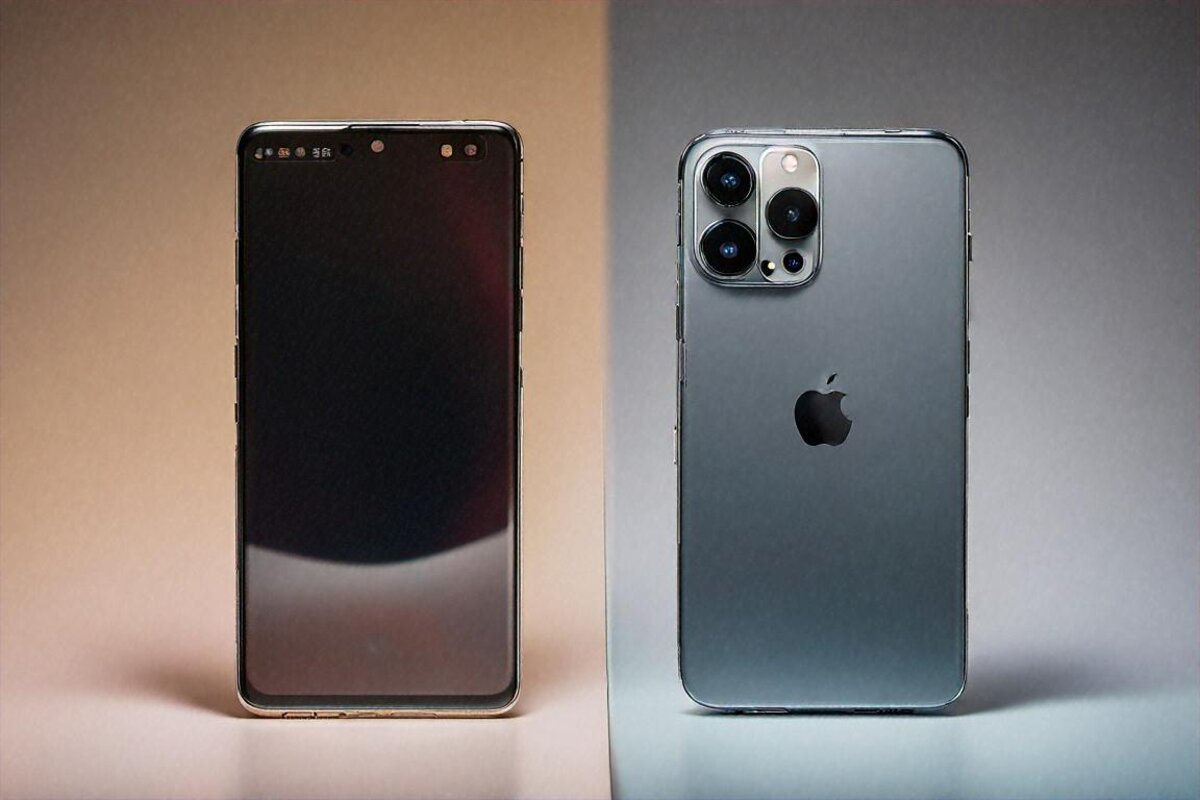
It’s 11pm during a Flipkart sale. Both phones are ₹15,000 off. The timer’s counting down. Which one lands in your cart?
I’ve sat exactly there. Two browser tabs open, the Samsung Galaxy S25 Ultra in one, the iPhone 16 Pro in the other, watching the clock and trying to decide which phone got the next couple of years of my pocket. And somewhere in those frantic minutes it hit me: the spec sheets, the camera shootouts, all those split-screen YouTube videos — none of them had readied me for the actual choice, the one you make with real money on the line and the countdown running.
So this is the version I wish someone had handed me. Not a spec dump. Not the cowardly “both are great, pick what suits you.” A straight talk about what living with each phone is like in India, in 2026, right now.
The Galaxy S25 Ultra starts at ₹1,29,999. The iPhone 16 Pro opens at ₹1,19,900. Both are flagship money — enough to buy a halfway decent used motorcycle either way — so let’s make sure it goes on the right one.
Specifications Comparison
| Feature | Samsung Galaxy S25 Ultra | iPhone 16 Pro |
|---|---|---|
| Display | 6.9″ Dynamic AMOLED 2X, 3120×1440, 120Hz LTPO | 6.3″ Super Retina XDR OLED, 2622×1206, 120Hz ProMotion |
| Processor | Snapdragon 8 Elite for Galaxy | Apple A18 Pro |
| RAM | 12GB | 8GB |
| Storage | 256GB / 512GB / 1TB | 256GB / 512GB / 1TB |
| Main Camera | 200MP f/1.7 OIS | 48MP f/1.78 OIS |
| Telephoto | 50MP 5x optical zoom | 12MP 5x optical zoom (tetraprism) |
| Battery | 5000mAh, 45W wired, 15W wireless | 3577mAh, 27W wired, 25W MagSafe |
| OS | One UI 7 (Android 15) | iOS 18 |
| S Pen / Apple Pencil | S Pen included | Not supported |
| Price in India | ₹1,29,999 onwards | ₹1,19,900 onwards |
Design & Build
Pick both up one after the other and the first thing you register isn’t the size difference. It’s the attitude.
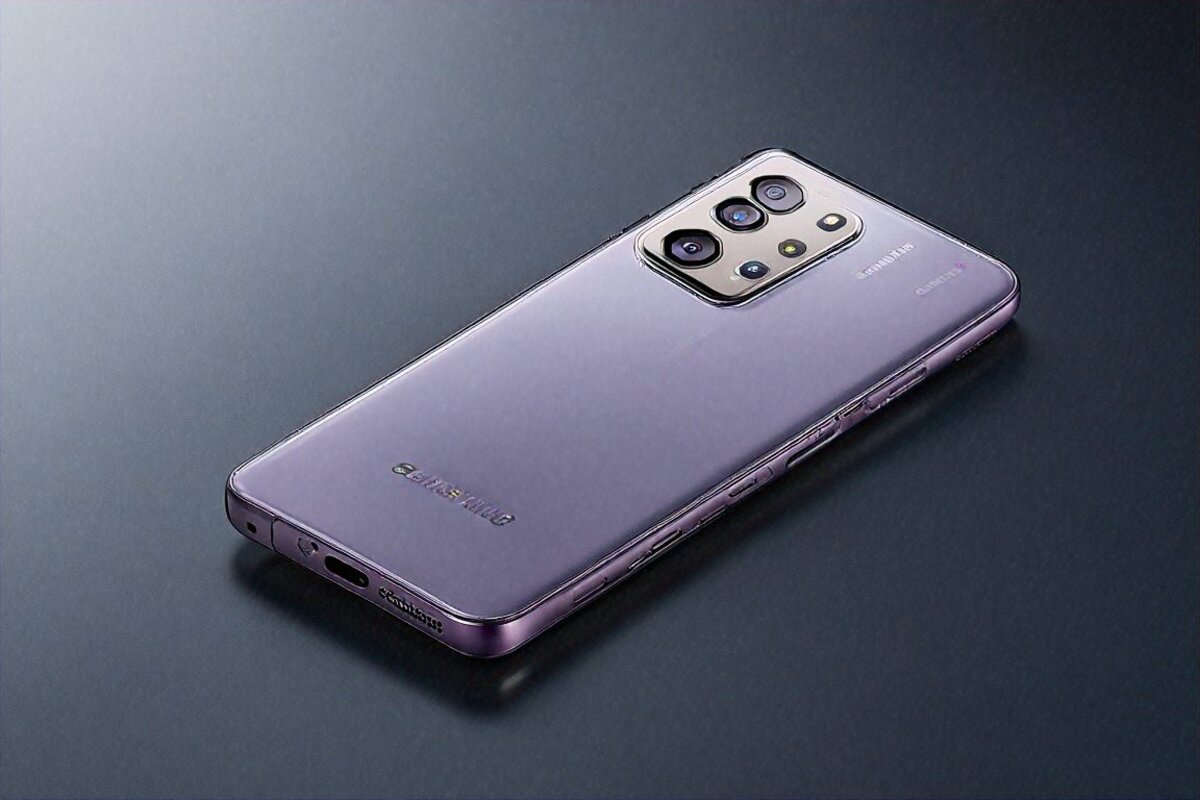
The S25 Ultra is big and unapologetic about it. A 6.9-inch screen, titanium frame, flat sides, Gorilla Armor 2 on front and back. Slim bezels make the panel feel even larger than the number says. In the hand it carries a kind of swagger, like a small tablet that happens to take calls. Around 218 grams, which you’ll feel in a shirt pocket but forget about in jeans. And there’s the S Pen sitting in the bottom edge, ready when you want to scribble a note, sketch, or sign something. The downside is plain: it’s a two-hand phone most of the time, and there’s no pretending otherwise.
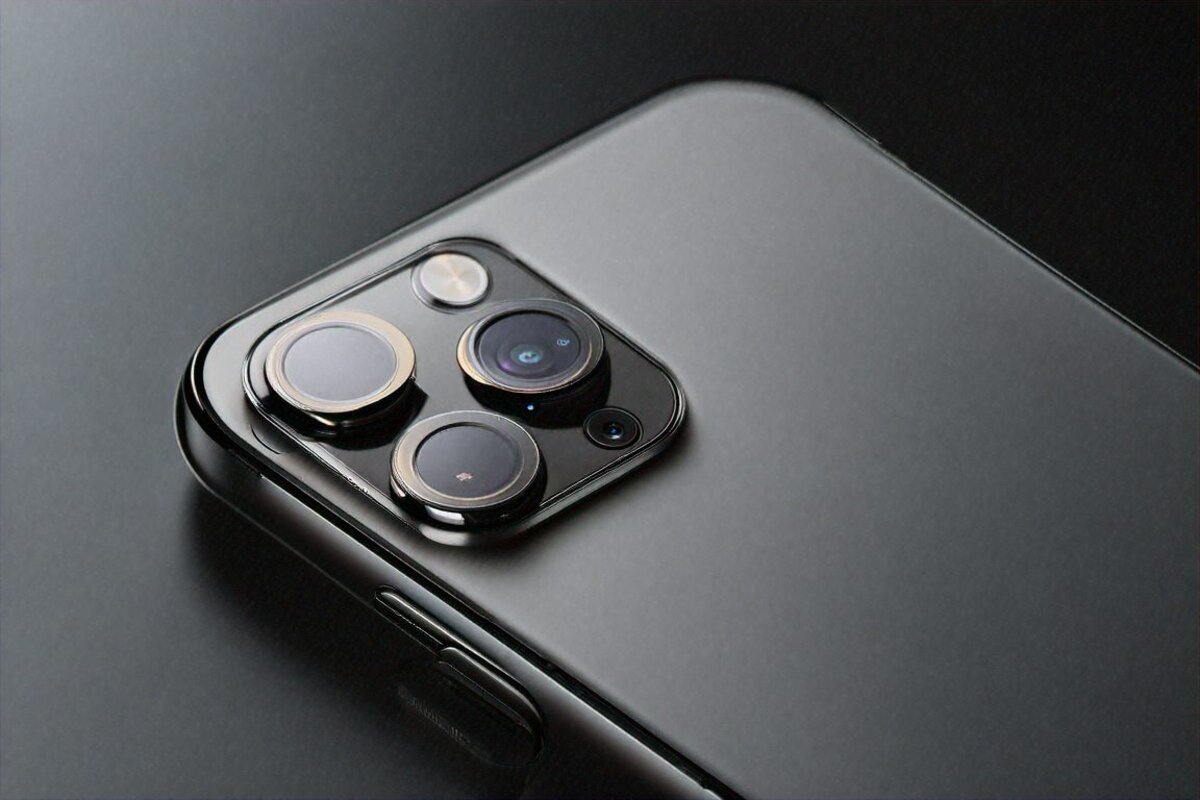
The iPhone 16 Pro feels almost dainty next to it. A 6.3-inch screen, Grade 5 titanium frame, ceramic shield up front, textured matte glass on the back. At roughly 199 grams it’s lighter and a lot easier to wrangle one-handed. Picture a Mumbai local at rush hour — bodies packed in, one hand on the overhead bar, the other fishing for WhatsApp. The iPhone’s smaller body stops being a luxury there and turns into a real advantage. You thumb out a reply. You drag down the notification shade without re-gripping. Apple’s Action Button and Camera Control button give you physical shortcuts that earn their keep once you’ve set them up.
Both are lovely. Both will get a glance if you set them on a cafe table. They’re just lovely in opposite directions — the Samsung shouting “look at this screen,” the iPhone whispering. Which one you like is taste, and I won’t pretend my taste should be yours.
Camera Comparison
Right, cameras. The bit everyone scrolls straight to.
The S25 Ultra runs a 200MP main sensor at f/1.7 with OIS. Two hundred megapixels — on paper that’s a ridiculous number. In practice the phone bins it down to 12.5MP by default, fusing sixteen pixels into one for cleaner low-light shots. You can shoot the full 200MP if you like, and in daylight the detail genuinely is something, but the files are huge and most people won’t bother twice. The telephoto is a 50MP sensor with 5x optical zoom, and honestly it’s the Galaxy’s best lens. Zoom a street sign from 50 metres out and you can read it. Shoot the Qutub Minar from the car park and the stone carving stays crisp.
The iPhone 16 Pro’s main camera is 48MP at f/1.78 with OIS. Smaller headline number, but Apple’s processing pipeline is still, to my eye, the most consistent going. Consistency is the word. Morning light, brutal afternoon sun, a dim restaurant, a neon-lit Bengaluru street at midnight — the iPhone hands you a photo that’s reliably good across all of them. Point, shoot, share. You rarely retake. The telephoto is 12MP at 5x using a tetraprism design. Lower resolution than Samsung’s 50MP, and head to head at 5x the Samsung does pull more detail. The iPhone’s zoom shots come back cleaner though, with less heavy-handed sharpening.
For Indian users the interesting part is this. Daytime stuff — temples, monuments, the bhel cart, a wedding under an outdoor mandap — both nail it. Samsung’s 200MP mode gives you a poster-grade frame of the Hawa Mahal if that’s what you want. The iPhone’s 48MP gives you a slightly smaller file that looks every bit as good on a phone screen or an Instagram grid. For how most of us actually use photos — WhatsApp, Instagram, Snapchat — the resolution gap is academic.
Low light tips things the iPhone’s way. Dim Delhi markets, evening photography in Kolkata, a candle-lit dinner — Apple’s Night mode keeps shadows cleaner with less noise. Samsung’s Night mode is good, maybe 90% of the way there, but I caught a touch more grain in the really dark scenes and a habit of over-brightening that looked off. That gap has shrunk hard over the last few Samsung generations, so by the S26 it might vanish. For now, in 2026, the iPhone has the edge when light gets scarce.
Video is where the iPhone really separates itself. 4K at 120fps with Dolby Vision HDR. Cinematic Mode for rack-focus shots. Audio Mix to lift voices out of background din. If you make content — and India’s creator economy is enormous and still growing — the iPhone 16 Pro is probably the best video tool you can slide into a pocket. Samsung shoots strong video too, 8K’s there if you want it, but the iPhone’s processing, stabilisation, and audio feel a generation ahead.
Selfies: Samsung’s 12MP front camera is fine. The iPhone’s 12MP TrueDepth with autofocus is a bit better, especially when you’re moving, and selfie video off the iPhone tends to look more finished. Not a chasm, but you’ll notice if you shoot a lot of front-facing clips.
Performance & Software
Snapdragon 8 Elite for Galaxy versus Apple A18 Pro. Two absurdly fast chips you’ll basically never max out unless you’re doing something very particular.
In benchmarks the Snapdragon edges the A18 Pro on multi-core. Apple takes single-core. Run a heavy job for 10-15 minutes straight and the iPhone holds up better, throttling less thanks to iOS’s tighter thermal grip. In normal use both open apps the instant you tap, both juggle 20-plus Chrome tabs without a hiccup, both run demanding games high and smooth. If you’re choosing between these two off benchmark scores, you’re answering the wrong question.
Software is where they actually split.
One UI 7 on the S25 Ultra is Android the way Samsung sees it, and Samsung sees it as a playground. Split two apps on screen. Float a pop-up window. Edge panels for fast app access. DeX, which turns the phone into a desktop on a monitor — properly useful if you travel light and work from hotel rooms. Galaxy AI throws in live translation on calls (which handled Hindi-English well in my testing), real-time text translation through the camera, generative photo editing, and Circle to Search, where you ring anything on screen to look it up. Not gimmicks. I used Circle to Search to name a plant at a nursery, and live translation to talk to a Hindi-speaking delivery guy while stuck on a call with a colleague. Real situations.
iOS 18 is Apple’s reply, and it holds back. Apple Intelligence brings writing tools, image generation, notification summaries, and Siri upgrades — though a lot of it has limited availability in India as of early 2026. What iOS does give you is polish and the way things fit together. Apps cooperate predictably. Widgets stay tidy. Focus modes actually tame notifications. If you’ve got a MacBook, iPad, or Apple Watch already, the cross-device flow is genuinely smooth. AirDrop a photo to the laptop. Start an email on the phone, finish it on the Mac. Answer a call on the iPad while the phone charges in the next room.
One UI hands you more control. iOS hands you less friction. Those are different bets, and I’d rather you think about which one your day actually needs than which one reads better in a review.
Battery & Charging
Samsung carries a 5000mAh battery. The iPhone runs a 3577mAh cell. The numbers say Samsung should walk it, and it does come out ahead — just not by the margin you’d guess.
Across a normal Indian day in my testing — WhatsApp all morning, a few Instagram and YouTube spells, Maps in an auto that took a baffling route through Koramangala’s one-ways, calls, a Zoom meeting, some evening browsing — the Samsung finished around 25-30% and the iPhone around 15-20%. Both cleared a full day comfortably. Neither died on me, which at this price is honestly the floor, not the ceiling.
Charging is where Samsung opens real daylight. 45W wired takes the S25 Ultra to 65% in half an hour. The iPhone’s 27W manages about 50% in that same window. If you’re the type who plugs in while getting ready for work, Samsung gives you more in the same morning slot. Wireless flips it: Samsung does 15W, the iPhone does 25W over MagSafe. Wired favours Samsung, wireless favours the iPhone. Comes down to how you charge at home.
How the batteries hold up over two years of Indian abuse — charging through 45-degree Delhi summers, hammering data on Jio and Airtel — isn’t something a three-week review can answer. Historically iPhones have aged a little better on battery health, probably because iOS babies the cell more. Samsung’s been closing in, though, and the gap’s likely smaller than it once was.
S Pen — The Wildcard
Nobody talks about the S Pen properly. Reviews note it exists, mention you can write with it, and move on. But for the right person it’s the single biggest reason to take the Samsung over the iPhone, and it isn’t close.
A student scribbling handwritten notes into OneNote or Samsung Notes? The S Pen turns the S25 Ultra into a note-taking machine that rivals a tablet. Work in real estate or insurance, signing documents while standing in someone’s living room? It becomes a portable signing station. Sketch ideas on the move? The pressure sensitivity and low latency make it a credible tool for quick concepts.
For most people, though, the pen lives in its slot forever. They bought the phone for other reasons and the stylus is a bonus they never cash. If that’s you — and let’s be honest, it’s most of us — leave the S Pen out of the maths. Don’t pay for something you won’t touch.
Display
Samsung’s 6.9-inch Dynamic AMOLED 2X at 3120×1440 with 120Hz LTPO is, by the numbers, the better screen. Bigger, sharper, brighter. Samsung makes these panels — including the ones Apple buys. Peak brightness outdoors is silly, and in direct sun, which is basically a daily fact in most of India for eight or nine months a year, the S25 Ultra stays readable even at nasty angles.
The iPhone 16 Pro’s 6.3-inch Super Retina XDR OLED at 2622×1206 with 120Hz ProMotion is smaller and lower-res, and somehow still looks superb. Colour accuracy is excellent. Text renders at Apple’s usual standard. HDR content is gorgeous. For most of what you do — scrolling Twitter, watching YouTube, reading — the iPhone’s screen is plenty. You’d have to lay both phones side by side over a 4K video to spot the Samsung’s extra resolution.
The real gap is size. 6.9 inches versus 6.3 changes how you hold the thing. Media’s better on the Samsung. Typing’s roomier. Split-screen is actually usable. But pocketability takes the hit, and one-handed use gets fiddly. The iPhone swaps screen real estate for ergonomics, and in a country where phones come out of pockets hundreds of times a day — at chai stalls, on buses, in meetings — that trade is worth weighing seriously.
Software Updates & Longevity
Apple promises 6-plus years of iOS for the iPhone 16 Pro. Samsung has committed to 7 years of OS updates and security patches for the S25 Ultra. On paper Samsung wins this one now, which is a sentence I genuinely didn’t think I’d type.
In practice, the quality of those updates counts as much as the count. Apple’s tend to keep performance steady — an iPhone 12 on iOS 18 still feels reasonably quick. Samsung’s history of older phones slowing after two or three big updates has improved but isn’t spotless. One UI 7 on the S25 Ultra is fluid; will One UI 10 feel the same on this hardware in 2029? I’d lean cautiously yes given recent trends, but I’m hedging, because Samsung’s turnaround here is recent enough that the long-term proof isn’t in yet.
For Indian buyers who keep flagships three or four years before swapping, both phones stay well supported through that whole stretch. If you’re stretching to five-plus, the iPhone probably keeps its feel and its resale value better — though Samsung’s narrowing that too.
India-Specific Considerations
A handful of things that only show up when you actually use these phones in India, and that international reviews never bother with.
UPI and mobile payments: both fine with Google Pay. Samsung Pay works on the Galaxy. Apple Pay still isn’t in India, so iPhone users lean on UPI apps — PhonePe, Google Pay, Paytm — rather than tap-to-pay NFC at the counter. Doesn’t matter much day to day since QR payments run Indian retail anyway, but worth knowing.
Network bands and 5G: both cover every Jio and Airtel 5G band. Across Delhi, Mumbai, and Bengaluru in my testing, 5G felt identical on the two. Coverage gaps exist on both, because the rollout’s still patchy. When 5G works, it works the same on either phone.
Dual SIM: Samsung gives you a physical nano-SIM slot plus eSIM. The iPhone 16 Pro does dual eSIM with no physical slot. For anyone running two SIMs — personal and work, or two carriers for better coverage — Samsung’s physical slot is more forgiving. Not everyone’s plan supports eSIM, and switching one on with Jio or Airtel can mean a store visit and paperwork. With Samsung you just drop a SIM in and go.
Resale value: iPhones hold value better in India’s second-hand market. A year-old iPhone 16 Pro will likely fetch 65-70% of its purchase price on Cashify or OLX. Samsung flagships usually sit around 50-60% after a year. If you upgrade often, the iPhone’s stronger resale quietly lowers the real cost of ownership.
Service and repair: Samsung’s authorised network is far wider across India, reaching Tier 2 and Tier 3 cities. Apple’s authorised service is clustered in metros and big cities. Live in Jaipur or Lucknow and a Samsung screen swap is probably faster and cheaper than an iPhone repair. In Delhi, Mumbai, or Bengaluru, both are easy. Local unauthorised shops also stock Samsung parts more readily than Apple’s, which matters once you’re out of warranty.
Accessories & Ecosystem
Samsung’s side: Galaxy Watch, Galaxy Buds, Galaxy Tab, Galaxy Ring, Samsung TV. One UI ties them together decently, if not as tightly as Apple manages. SmartThings runs your IoT gear. Galaxy Buds hop between phone and tablet on their own. It works. It’s fine. Not magic, but functional.
Apple’s side: Apple Watch, AirPods, iPad, Mac, HomePod, Apple TV. Deep integration is the whole pitch, and it delivers. AirPods switch devices flawlessly. Apple Watch health data lands in Health on the phone. If your house already runs on Apple gear, adding an iPhone is almost frictionless. If it doesn’t, you gain little here — it’s a network effect that only pays out once you’re inside the network.
On accessories themselves, both phones have brilliant third-party case and screen-protector coverage on Amazon India and in local markets. MagSafe bits for the iPhone — wallets, car mounts, battery packs — are everywhere. Samsung cases are even more plentiful given Android’s bigger share here. Neither phone leaves you short.
Verdict: Which Should You Buy in India?
Buy the Samsung Galaxy S25 Ultra if: you want the bigger screen, you’ll genuinely use the S Pen, you value customisation and split-screen multitasking, you need a physical SIM slot, faster wired charging matters, or you’d rather lean on Samsung’s wider service network. At ₹1,29,999 it’s ₹10,000 more than the iPhone, but you’re getting a larger display, more RAM, the S Pen, and quicker charging. The pick for productivity power users, Android loyalists, and anyone who wants maximum hardware per rupee.
Buy the iPhone 16 Pro if: video recording is your priority (it’s genuinely the best phone camera for video in 2026), you want long-term software consistency, you’re already in Apple’s world, you prefer a compact phone for one-handed use, or you plan to resell in a year or two and want the best price back. At ₹1,19,900 it’s the cheaper way in, and iOS’s optimisation means it’ll likely feel quick for longer than the Samsung does.
Here’s what three weeks with both taught me, though. At this money, neither phone is a bad buy. Not remotely. The differences are real but narrow, and they mostly hinge on which ecosystem you’re in, how you use the thing, and which trade-offs you can live with. A ₹1,20,000-1,30,000 phone in 2026 does everything well. What changes is which things it does best.
And if you’re still parked there at 11pm during that Flipkart sale, timer running, both phones ₹15,000 off? Buy whichever one your friends and family already carry. Because the daily ease of AirDrop or Quick Share working with the people around you, of shared chargers and matching accessories, of being able to ask a mate how to do something on their identical phone — that pays off more over two years than any line on any comparison table. This one included.
Our Rating: 9/10 · Price: ₹1,29,999

0 Comments