
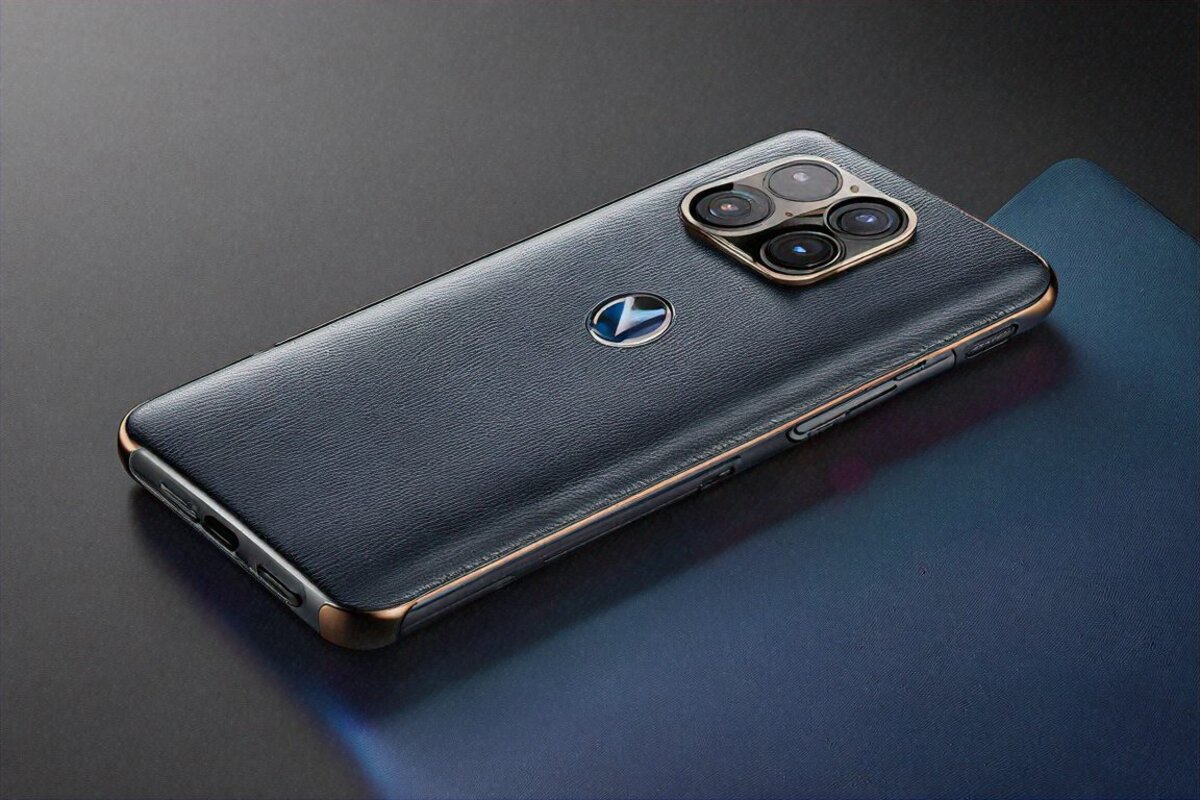
Put the Motorola Edge 60 Pro next to the Realme GT 7 Pro and the Xiaomi 15 Pro — its actual rivals at ₹34,999 — and one thing lands fast: it loses most of the paper fights. Not the fastest chip. Not the biggest camera hardware. Not the quickest charging. And still, after roughly three weeks of rotating all three as my main phone, the Moto was the one my hand kept going for. Why, I’m not totally sure I can prove. Sometimes how a phone feels in daily use matters more than the bullet points on the box, and Motorola seems to get that better than most of the Chinese crowd.
Yeah, “feel” is a soft word for a review. People want concrete comparisons, not vibes. So let me actually earn it — walk through each part of the Edge 60 Pro, say plainly where it sits against the competition, and let you decide if the trade-offs line up with what you care about.
Bit of context first: I ran a Moto G-series phone as my backup device for about six months last year, and the clean software stuck with me. So I came in with some bias toward Motorola. I’ll flag it where it might be coloring things.
What Motorola Brings to the Table
- MediaTek Dimensity 9400 paired with 8GB LPDDR5X RAM
- 6.67-inch pOLED display with a 144Hz refresh rate
- Near-stock Android 16 running under Motorola’s light MyUX skin
- 50MP main camera with OIS for stabilised shooting
- Three-year OS update guarantee from Motorola
- An ultralight 185-gram body with IP68 water resistance
Design and Build — Where Motorola Makes Its Argument
185 grams. Reads like nothing on a spec sheet. But pick the Edge 60 Pro up right after almost any other 2026 phone and your palm clocks the difference inside a second or two. Most rivals here sit at 200 to 215 grams. That twenty-to-thirty-gram gap sounds trivial until you’ve held a phone through an hour-long call with your mum, or scrolled one-handed in bed at midnight, or walked around with it in a shirt pocket without it dragging the fabric down like a pendulum. Spec sheets never show this stuff, and it’s exactly the stuff you notice every single day.
Motorola hit that weight while keeping IP68 and an aluminium frame, which is genuinely clever engineering that I doubt most buyers will ever think about. The phone doesn’t feel hollow or cheap — it feels deliberately light, like someone actually sat down and asked what carrying a phone all day is like. The downside? At this weight it can feel a touch insubstantial if you’re used to a denser slab; took me a day to stop expecting it to feel heavier than it does.
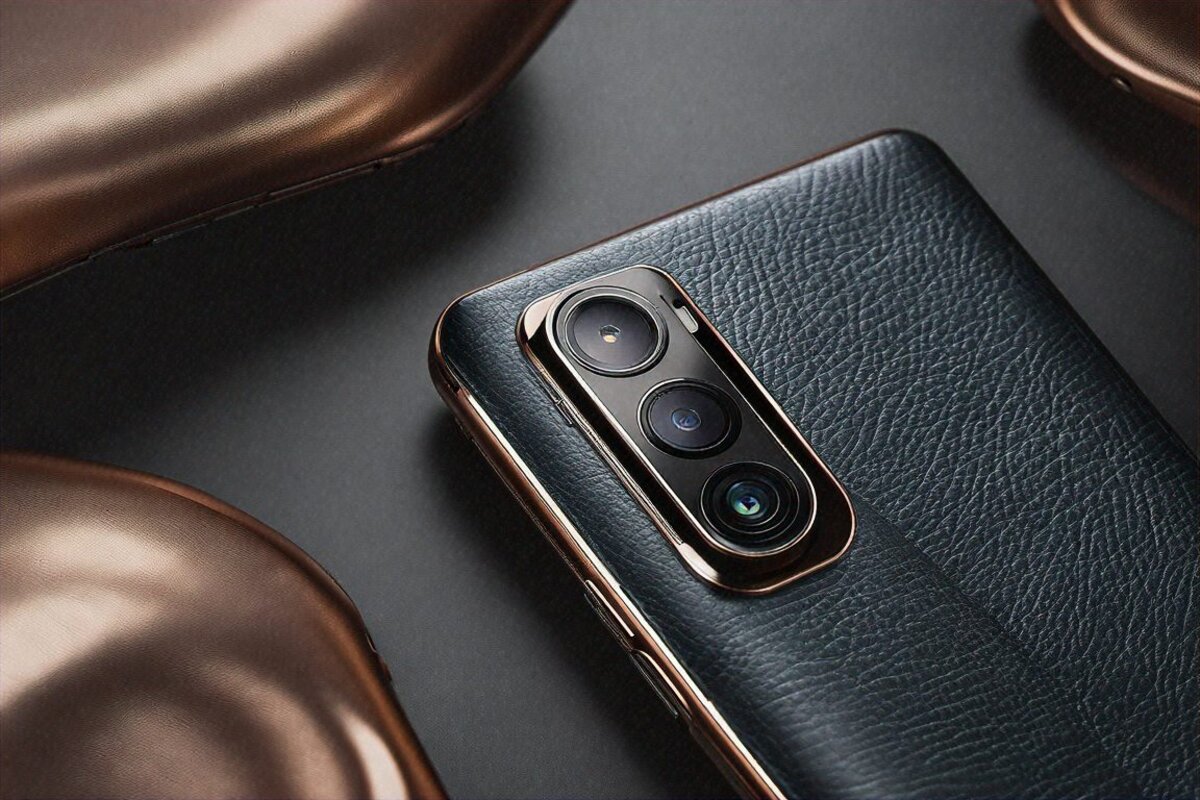
The Nebula Blue model with its vegan-leather back is the one to get. In a market drowning in glass-metal-glass, a textured leather-like finish that shrugs off fingerprints and actually grips your hand is a small joy. I went the whole test period without a case because the grip never made me nervous about a drop. Try that with a glass-backed Samsung or Xiaomi and you’ll be scooping it off the floor by Friday. The plain Black version uses textured glass — fine, just less interesting and a lot more slippery.
The curved display edges are pure Edge-series signature. Some people love the look, some hate the stray palm touches. I land in the middle: elegant to look at, occasionally annoying in practice. During gaming my palm tripped the edge maybe two or three times a session — not a disaster, but real. Motorola’s rejection algorithm catches most of it. Not all. If accidental touches drive you up the wall, this is the kind of design choice that’ll bug you long after the novelty of the curve wears off, and there’s no setting that fully fixes it.
Panda Glass covers the front. Not Victus, not Ceramic Guard — Panda, a less-famous Chinese brand that’s held up surprisingly well for me. Three weeks, no screen protector, no scratches. I’d still slap a protector on if you’re the sort who keeps keys and phone in the same pocket. No glass marketing claim is worth a gamble against a house key.
Display — Clean and Honest
A 6.67-inch pOLED, 144Hz, 2400 nits peak. Good numbers. But the thing that actually sets it apart from same-price rivals is Motorola’s tuning choices — and I wish more brands made the same call.
Where a lot of competitors crank saturation to eleven so the phone pops on a shelf in Croma — electric blues, radioactive greens, everyone looking like they just got back from Goa — Motorola tuned for accuracy. Colours look true. Skin looks like skin, not the airbrushed-Instagram edit. Greens in a landscape look like leaves. White app backgrounds read clean and neutral instead of tinted warm or blue. If you edit photos on your phone or just care about colour being right, that beats a bigger brightness number on a comparison chart.
Full HD+ at this size is fine, honestly. I know reviewers and YouTube commenters grumble about not getting 2K at ₹35,000, but I can’t see the difference in normal use unless I’m pressing my nose to the glass hunting for pixels. Which I don’t do reading the news or watching a video. Neither do you. At arm’s length the density is more than enough for everything short of VR, and nobody’s buying this for VR.
Dolby Vision means the right OTT content renders with proper extended range and grading. I checked it on Netflix and the jump from SDR was obvious straight away — brighter highlights, deeper shadows, smoother colour in tricky lighting. The under-display optical fingerprint reader is quick and dependable; I’d put first-try success around 95%, par for the price. The misses were almost always wet or oily fingers, which is the usual optical-sensor weakness.
HDR looks great, blacks go properly deep (it’s OLED, they’d better), and long sessions stay comfortable. Here’s something I can’t fully pin down: this panel seems to fatigue my eyes less than the punchier, oversaturated ones out there. After an hour of reading I felt less strained than I usually do. I think it’s the accurate calibration and the lack of oversaturation — but it could be placebo, and I’d rather say that than pretend I measured it.
Camera System — Reliable, Not Record-Breaking
Let me set expectations straight, because the Edge 60 Pro’s camera is neither bad nor brilliant. It’s parked firmly in good-enough-for-most-people territory, and I think Motorola is at peace with that. They’re not chasing Xiaomi or Samsung on camera specs — they put a competent camera on a phone that wins elsewhere.
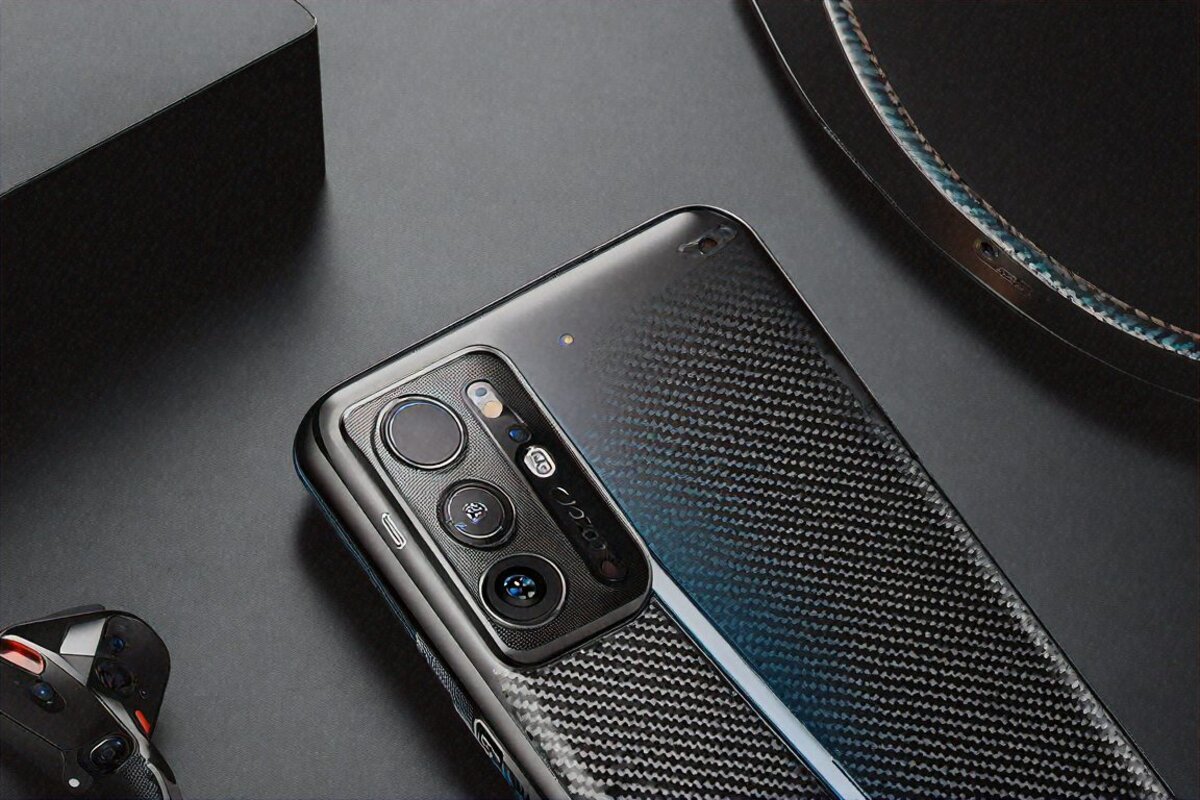
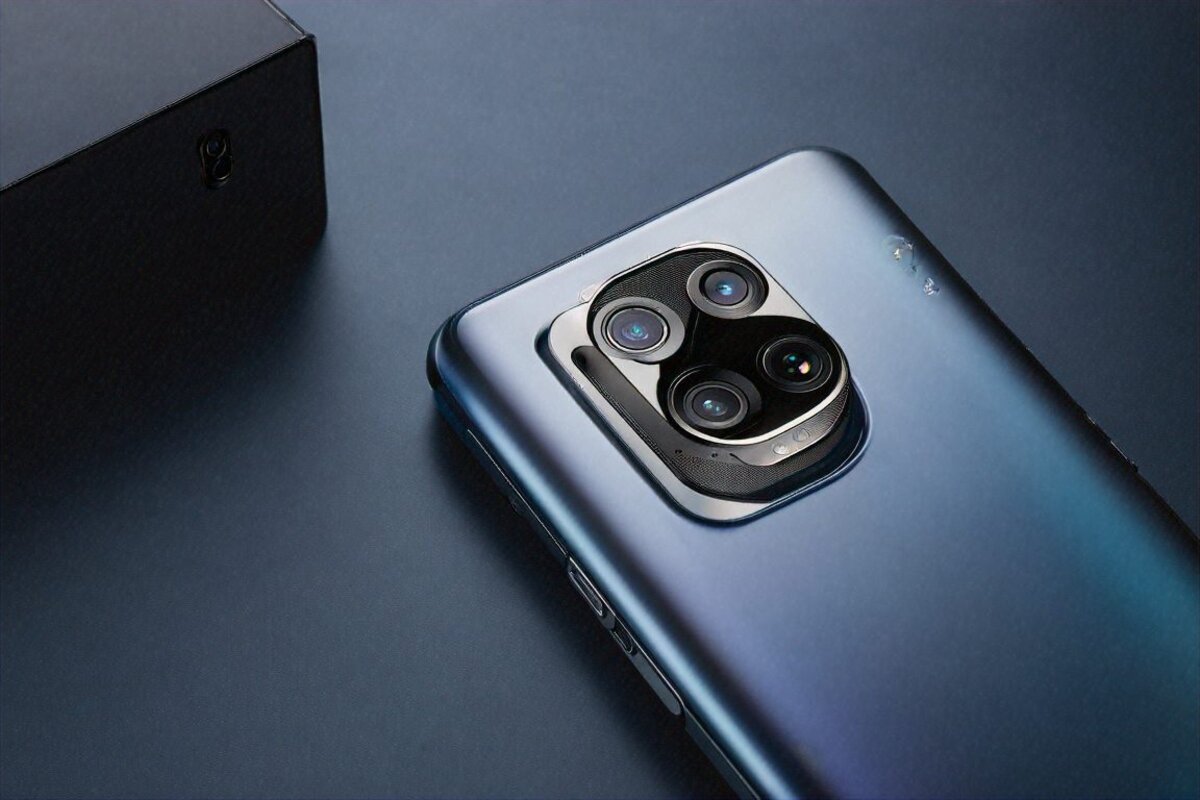
The 50MP main sensor with OIS nails the photography most of us actually do: restaurant food for stories, family-gathering snaps, quick travel shots, document scans, your dog doing something stupid. For all that, it does the job. Daylight shots come out well-processed, with good detail, accurate colours that match what you saw, and enough dynamic range to hold highlights and shadows in most outdoor scenes.
Nothing here will floor you next to a Samsung S26 FE or Xiaomi 15 Pro pixel-for-pixel. But nothing will embarrass you either. The output is consistently good, which is underrated — I’ll take a camera that lands B+ every time over one that swings between A+ and C.
Portrait mode separates the background cleanly and naturally. I shot some friends at a cafe in Koramangala, Bangalore, and the edge detection handled hair and glasses without that tell-tale halo budget phones leave behind. The blur falls off gradually, like real bokeh, not a software cut-out done with a scalpel. My friends liked the shots, which is the only portrait test that really counts.
Night is where the seams show. Testing low-light around Mumbai’s streets, noise control was acceptable but nothing that’ll trouble a Xiaomi 15 Pro or a Pixel at this price. Well-lit indoors — restaurants, cafes, a decently lit living room — looks fine. Step out onto a genuinely dark street and you’ll see softer detail, more noise in the shadows, colours drifting off true. Competent. Not class-leading. A steady B- that won’t wow anyone and won’t wreck the memory either.
The 10MP 3x telephoto gives you zoom in a pinch, but the low resolution caps how much detail survives at any range. Zoomed shots look okay on the phone screen and worse the moment you print, crop, or blow them up. For a WhatsApp DP or a quick grab of something across the road, fine. For anything that needs detail, you’ll be let down. The 13MP ultrawide is… adequate. Wide shots, no nasty edge distortion, colours roughly matching the main sensor, and that’s about all I can honestly say without being either dishonest or mean.
Video tops out at 4K 30fps with OIS on the main camera and comes out smooth enough for social. Audio’s decent. Not remarkable, not bad. Right in line with the rest of the camera — reliable, workmanlike.
So here’s the honest version: if the camera is your top priority, this isn’t your phone, and that’s okay. Not everything has to win at photography. Motorola spent its effort elsewhere, and for buyers who share that order of priorities, “good enough” is genuinely good enough.
Performance and Daily Use — The Clean Android Advantage
The Dimensity 9400 is a strong chip that sits in the upper tier of what you can buy in India right now. It’s not quite Snapdragon 8 Gen 5 in synthetic tests, especially the GPU-heavy ones where Qualcomm’s Adreno keeps a measurable lead — the people who watch frame-rate graphs in the most demanding titles will spot the gap. For everyone else, it chews through whatever you throw at it without a stutter and probably without you ever noticing it isn’t the Snapdragon.
BGMI runs at High without drama. Social feeds scroll at full 144Hz. Editing in InShot or CapCut doesn’t choke. Chrome with a dozen tabs stays smooth. The phone never felt slow once across three weeks — not even briefly. Some of that’s the chip. A bigger slice, I’d argue, is the software.
Near-stock Android 16 with MyUX is where the real pitch lives, and this is the bit I get genuinely keen about, because software this clean at this price is rare. If you’ve ever used a Pixel and loved the uncluttered, bloat-free feel — the sense the phone works for you, not against you — the Edge 60 Pro gets remarkably close.
No pre-loaded games. No duplicate apps fighting Google’s own. No notification spam from system services trying to sell you something or shove you toward a partner app. No “recommended content” sliding into your notification shade. Open the app drawer and it’s Google apps, a couple of Motorola utilities, and that’s it. Next to a fresh MIUI, Funtouch, or ColorOS phone — where the first half hour is spent uninstalling junk — the contrast is stark and, frankly, a relief.
Moto Actions is a set of gestures I miss the second I switch phones. Twist your wrist twice, camera opens — quick, no unlocking, no hunting for an icon. Chop twice and the flashlight comes on, which is stupidly handy walking to the car at night or rummaging under the bed. They click within a day and genuinely shave time off everyday actions in a way no other brand’s gestures manage. I keep reaching for them on phones that don’t have them.
The always-on display is configurable without a third-party app — clock styles, notification previews, battery status, all in the native settings. Small thing. But it tells you Motorola gets that customisation shouldn’t need a download or a workaround.
Battery from the 5000mAh cell is comfortable. Not the best I’ve tested at this price, not the worst. A moderate day — social media, streaming, some photos, messaging, the odd bit of navigation — leaves me at 25-30% by bedtime, with screen-on time around 6 hours on mixed days. Heavy gaming or a lot of camera use drains it quicker, obviously; if you game for hours daily, plan on a mid-afternoon top-up.
Motorola’s 68W TurboPower goes zero to full in about 55 minutes. That’s slower than the 100W-plus some Chinese phones offer here — Realme does 100W, iQOO 120W — and it’s the one spec comparison where I think Moto loses ground it didn’t have to. 68W isn’t slow in any absolute sense, and a 15-minute splash buys you a few hours. But when rivals fill up in 30 to 35 minutes at the same price, 55 feels like a spot Motorola could’ve pushed harder. In practice it matters most when you forgot to plug in overnight and you’re trying to grab enough charge during a shower and a coffee before heading out — that’s the window where 20 extra minutes actually changes your morning, and it’s the one moment I found myself wishing the brick were faster.
Detailed Specifications
| Specification | Details |
|---|---|
| Processor | MediaTek Dimensity 9400 |
| RAM | 8GB/12GB LPDDR5X |
| Storage | 128GB/256GB UFS 3.1 |
| Display | 6.67″ pOLED, 2400×1080, 144Hz |
| Main Camera | 50MP f/1.8 OIS |
| Ultrawide | 13MP f/2.2 |
| Telephoto | 10MP 3x f/2.5 |
| Battery | 5000mAh |
| Charging | 68W TurboPower wired |
| OS | Android 16, MyUX |
| IP Rating | IP68 |
| Weight | 185g |
Pros & Cons
Pros
- Near-stock Android experience with MyUX — minimal bloat, maximum usability
- Three-year OS update commitment gives longevity
- Excellent pOLED display with accurate colour calibration
- Incredibly light at 185 grams with IP68 protection
- Panda Glass front holds up well against daily wear
Cons
- Dimensity 9400 trails the Snapdragon 8 Gen 5 in GPU-intensive tasks
- Camera inconsistency in low-light shooting conditions
- 68W charging feels slow next to Chinese rivals offering 100W+
- Accessories ecosystem is thin compared to Samsung or Apple
Connectivity, Software Updates, and Ecosystem
Motorola ships Android 16 with its Hello UI layer, which adds Moto Actions and a customisable always-on display and skips the bloat other brands pile on. Three years of OS upgrades and four years of security patches is a decent promise — Samsung does four years of OS updates, and Google goes a full seven on Pixel. Still, at ₹34,999, three major versions means you’ll get Android 17, 18, and 19, which covers a typical ownership stretch for most Indian mid-range buyers.
Connectivity-wise, 13 5G bands cover every Indian carrier with no gaps — I ran it on Jio in Mumbai and Airtel in Bangalore and both held steady the whole time. Wi-Fi 6E and Bluetooth 5.3 do exactly what you’d expect at this tier: stable, reliable, no dropped connections, nothing to report. NFC for Google Pay just works. I tapped to pay at all sorts of shops across Bangalore and Mumbai over three weeks and never had a failed transaction — the boring kind of reliability you actually want.
Ready For is Motorola’s desktop mode — connect wirelessly to a monitor or TV and you get resizable windows, a taskbar, mouse support. I used it a handful of times for quick presentations and light document work when the laptop wasn’t around. It’s not replacing a computer, and the wireless lag gets irritating for anything latency-sensitive, but it’s a nice trick to have in your back pocket for the odd moment it saves you.
ThinkShield adds enterprise-grade device security for business users, something Motorola’s Lenovo parentage lets them offer where consumer-first brands usually can’t. If your workplace runs MDM policies or has device-security rules, that certification can make the Edge 60 Pro viable for corporate use in a way a Realme or Redmi often isn’t.
The accessory story, though, is a real weak spot next to the competition. Samsung has cases, chargers, earbuds tuned for its phones, watches, tablets — a whole first-party universe that auto-pairs and shares features. Apple’s is deeper still. Motorola has a few basic cases on its site and… that’s roughly it. No earbuds worth recommending, no watch, no tablet. If inter-device connectivity matters to you, weigh that honestly against everything the Edge 60 Pro gets right.
So Where Does Motorola Stand in the Bigger Picture?
At ₹34,999, the Edge 60 Pro is a great phone for a specific buyer — someone who values software quality over spec-sheet dominance, who wants a phone that feels good in the hand more than one that looks good on a chart, who wants Android without corporate bloatware nagging them about what to install. It’s for people burned by MIUI’s ads or worn down by Funtouch’s clutter who want out, without paying Pixel money.
It won’t satisfy gamers chasing peak frame rates — the Dimensity 9400’s GPU is capable, not best-in-class. Photography hounds will find a better camera at this price on the Xiaomi 15 Pro. Charging-speed obsessives will look at Realme or iQOO, and they’d be right to.
But the question I keep circling back to, and don’t have a clean answer for: can Motorola keep this up and keep improving? The Edge 50 Pro was good. This one’s clearly better. If the Edge 70 Pro holds the line and maybe fixes low-light, speeds up charging, and grows the accessory range even a bit, Motorola could become a genuine top-three pick in India’s mid-range. The software philosophy is sorted. The design language is sorted. The gaps are specific, named, and fixable.
Whether they actually close them or coast on “good enough” is the open part. I’m cautiously hopeful given the trend, but Indian buyers have been let down before — a brand makes a couple of great phones, then loses interest before the momentum pays off. Motorola has the pedigree and Lenovo’s wallet to go the distance. Whether they choose to spend it hard enough is on them. I’ll be watching the Edge 70 Pro launch with real curiosity.
Price in India
The Motorola Edge 60 Pro starts at ₹34,999 for the 8GB/128GB version, on Flipkart and Motorola India’s own site. Stock’s been steady since launch — no flash-sale circus, no “add to cart at exactly 12 PM or miss out,” which is a small thing I genuinely appreciate. The 12GB/256GB runs ₹37,999 and is the smarter buy if you’re keeping it two years or more, since the extra RAM and storage stay comfortable for longer.
Full Specifications
| Processor | MediaTek Dimensity 9400 |
|---|---|
| RAM | 8GB/12GB LPDDR5X |
| Storage | 128GB/256GB UFS 3.1 |
| Display | 6.67" pOLED 144Hz |
| Main Camera | 50MP f/1.8 OIS |
| Battery | 5000mAh |
| Charging | 68W TurboPower |
| OS | Android 16 MyUX |
| IP Rating | IP68 |
| Weight | 185g |
Pros
- Near-stock Android with clean MyUX customisation
- 3-year OS update promise
- Decent OLED display quality
- Lightweight at 185g
- Panda Glass front protection
Cons
- Dimensity 9400 slightly behind Snapdragon 8 Gen 5 in GPU benchmarks
- Camera system inconsistent in low light
- 50W charging slow compared to Chinese rivals
- Limited accessories ecosystem
Our Rating: 8/10 · Price: ₹34,999
0 Comments