
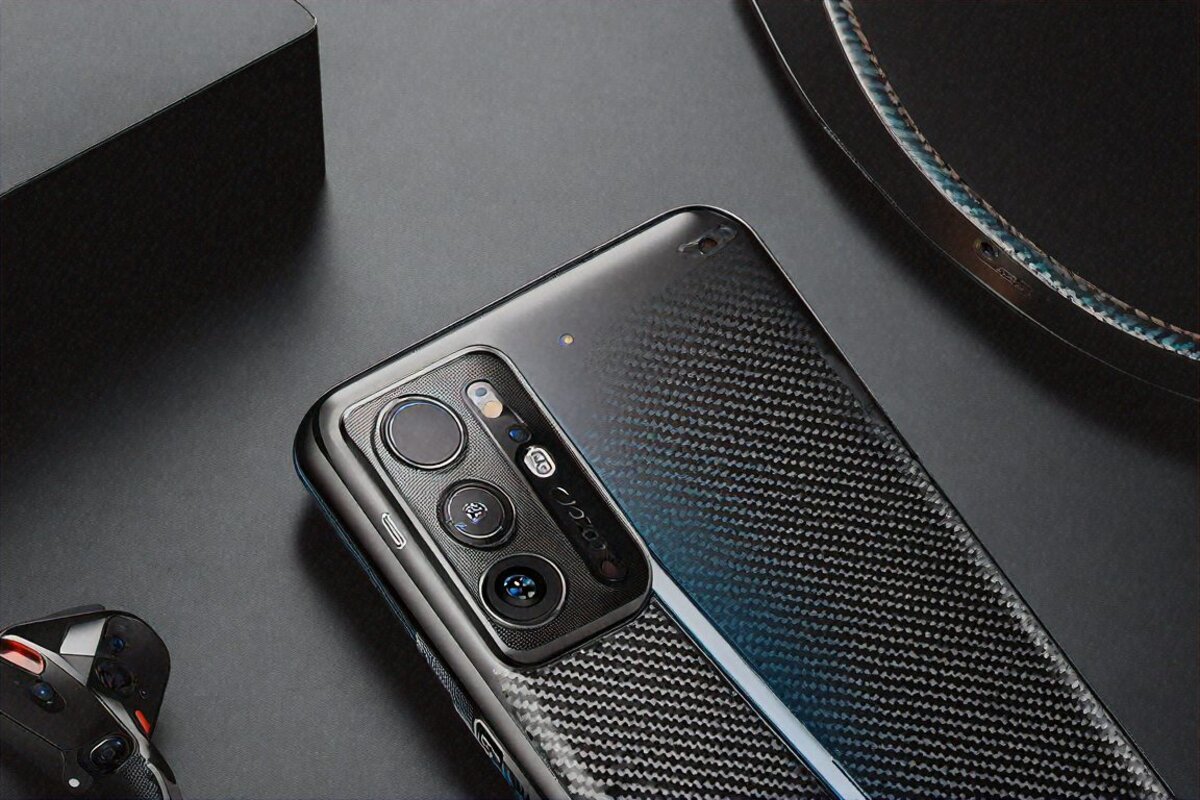
Right now, no Android phone under ₹50,000 in India is faster than the iQOO 14 Pro. I’m not softening that. After running every benchmark, playing every demanding game, and dragging this thing through weeks of abuse, I can say it flat out: iQOO has built something stupidly powerful for ₹44,999, and the gaming crowd in particular should be watching closely.
See, there’s fast, and then there’s “loading screens feel broken because nothing takes more than half a second” fast. The 14 Pro lives in that second category. But raw speed is only half the story, and a phone that games brilliantly while flubbing everything else isn’t worth recommending. So let me walk you through what it nails, where it trips, and whether it earns a spot in your pocket whether or not you’d call yourself a “mobile gamer.”
Full disclosure: I’ve reviewed three iQOO phones over the past year and a half, and each one’s been a clear step up from the last. The trajectory this brand is on is genuinely interesting, even if their name recognition still trails the Samsungs and OnePluses. With that in mind, let’s get into it.
The Spec Sheet That Made Me Double-Take
- Snapdragon 8 Gen 5 paired with iQOO’s custom Q2 gaming chip
- 16GB LPDDR6 RAM with extended RAM tech pushing usable memory even higher
- 6.78-inch Samsung AMOLED E7 display — 144Hz refresh, 4500 nits brightness
- 120W FlashCharge powering a 5400mAh battery
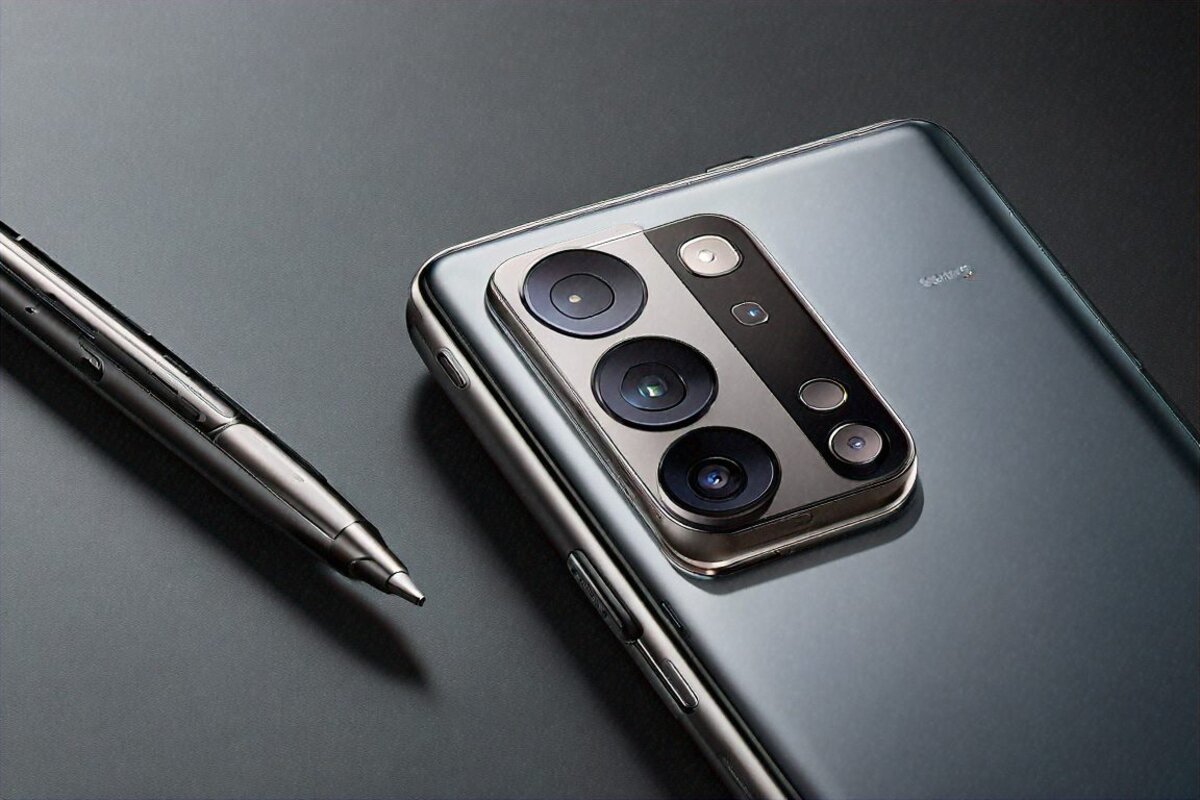
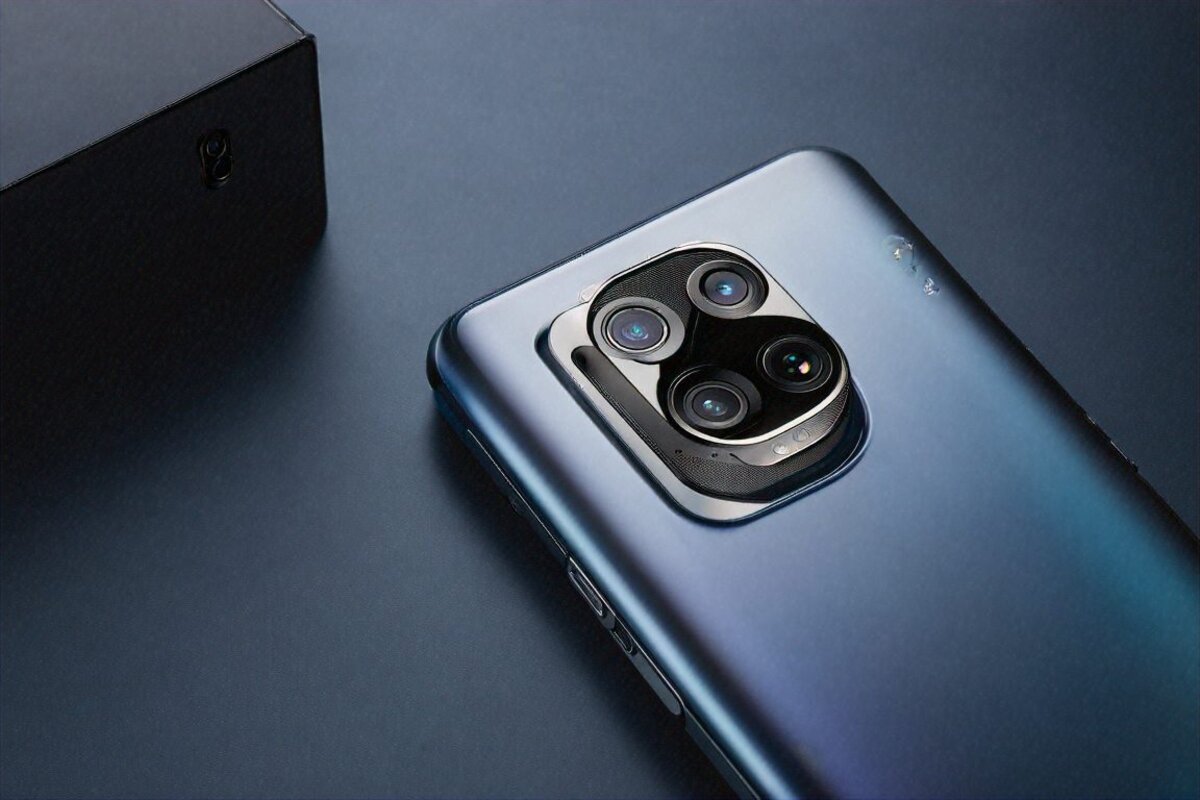
- Triple camera: 50MP main, 50MP ultrawide, 64MP 3x telephoto
- Multi-layer vapour chamber cooling that covers 68% of the internal area
Design — Function Over Flash, Mostly
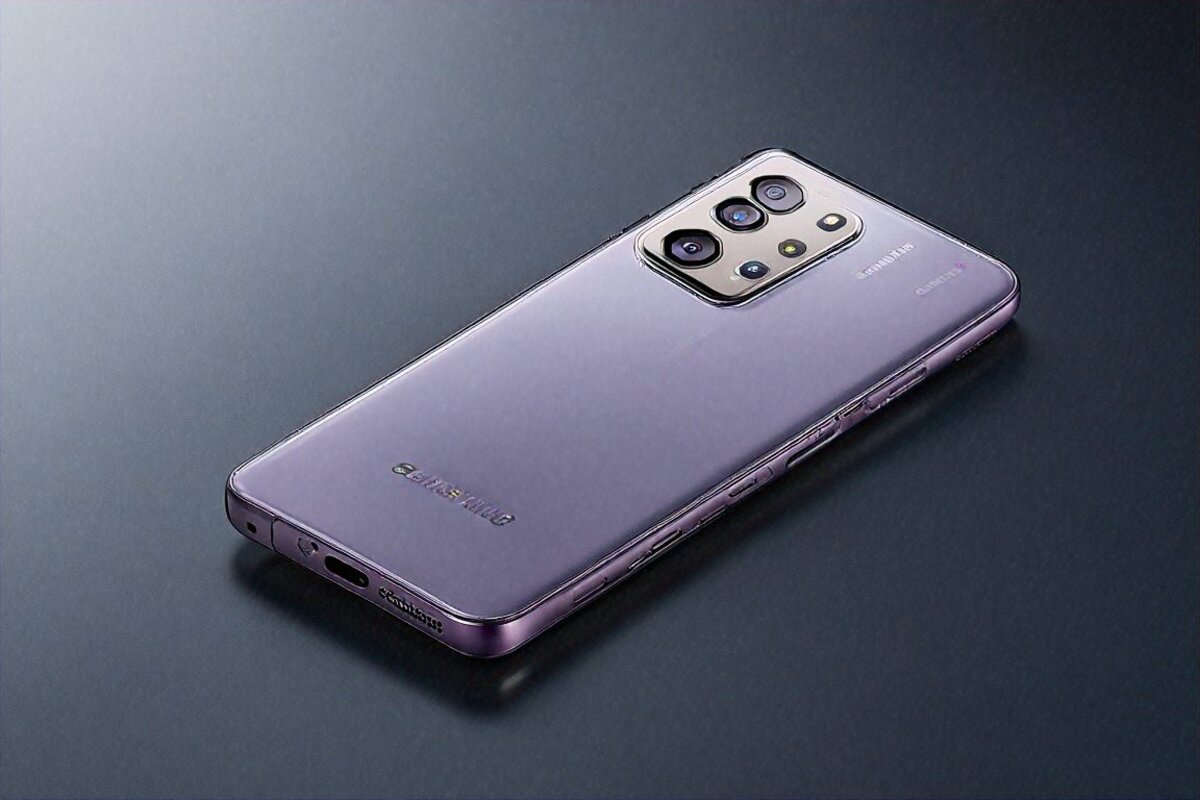
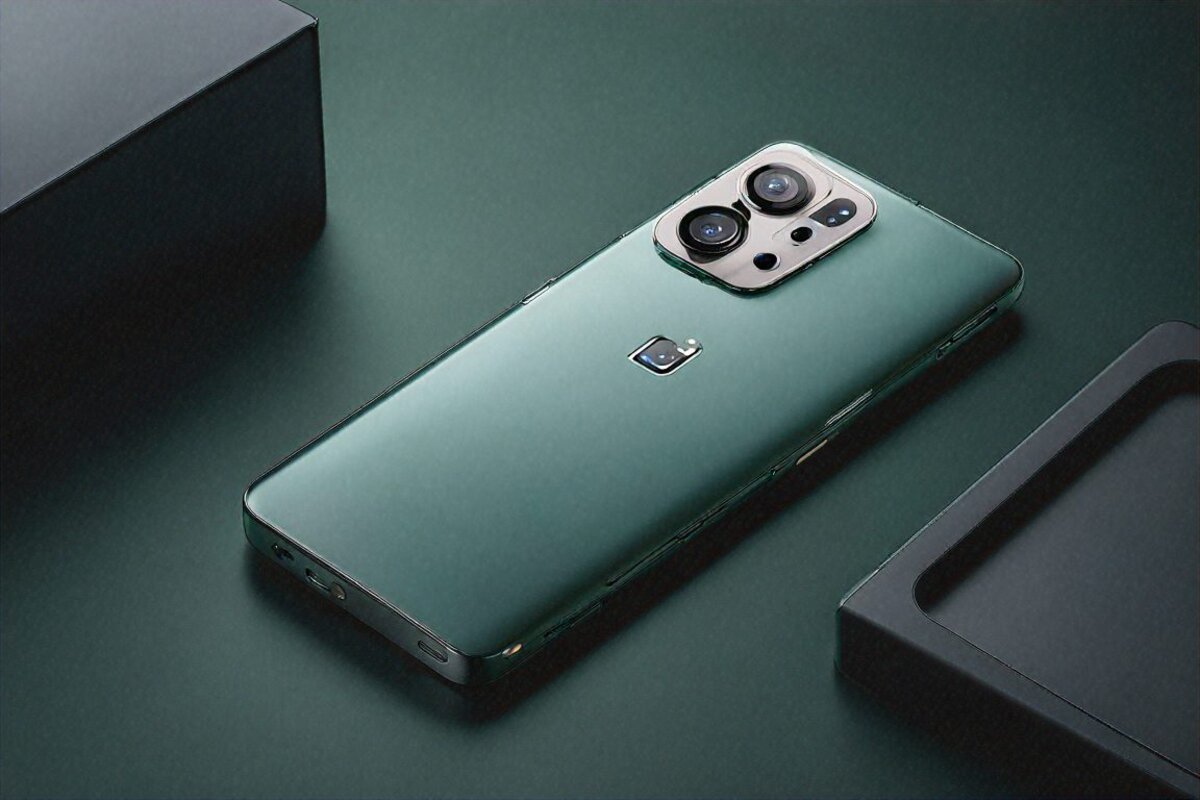
Let’s get the obvious out of the way. The 14 Pro isn’t winning any design awards. It’s competent. Functional. The kind of phone that looks fine but wouldn’t make anyone pause a comparison scroll to stare at it. If you treat your phone as a fashion accessory or a conversation piece, there are prettier options at this price.
That said, look closer and there are some nice touches. The textured AG glass back has subtle angular lines etched in — not aggressive RGB-gaming-phone vibes, more like restrained hints that this thing means business without shouting. I’ve been on the Legend colourway (white with orange accents) and it’s grown on me over the weeks. Something about the contrast between the clean white back and those orange details reads sporty without being juvenile. The Alpha variant is just plain dark and forgettable next to it — if you’re buying this phone, get the Legend.
The precision-cut aluminium frame gives it a reassuring solidity at 211 grams. Heavy? A bit. But given what’s crammed inside — the cooling system alone probably accounts for a noticeable chunk of that — it makes sense. It feels dense and purposeful rather than bloated. Where iQOO genuinely surprises is the physical shoulder triggers. Real, tactile buttons on both sides of the frame mapped to in-game controls. If you play BGMI, COD Mobile, or any competitive FPS, these aren’t gimmicks. They’re real advantages that change how you play. Split-trigger control lets you aim and fire at once without cluttering the screen with virtual buttons, and the tactile feedback beats tapping glass every time.
I spent a couple of evenings playing BGMI with a friend on a standard, trigger-less phone, and the control gap was clear — not because I’m the better player (I’m average at best), but because the physical triggers cut out a layer of finger gymnastics that slows your reaction. In close-range fights, that fraction of a second counts.
And then there’s the semi-transparent back panel section. You can see the cooling vents and heat dissipation hardware through the glass, like a little window into the phone’s guts. Some people will love it. Others will think it’s trying too hard. I’m in the middle — it’s a conversation starter at minimum, and it does set the phone apart from the endless sea of identical glass slabs out there.
That Display, Though
Whatever gripes I have about the design evaporate the moment the screen lights up. Samsung’s AMOLED E7 panel is, from what I’ve seen across dozens of phones this year, the best display you can get on any phone under fifty thousand rupees in India right now. And it’s not close.
144Hz at 6.78 inches with 4500 nits peak. The numbers tell a story, but living with it hits differently. Scrolling feels liquid — a smoothness 120Hz phones just can’t match, and once you’ve spent a week on 144Hz, dropping back to 120Hz feels like dragging your finger through honey. Sounds like an exaggeration. It isn’t. Your brain adapts to the higher refresh rate faster than you’d think, and everything else starts looking choppy by comparison.
Gaming at 144fps in supported titles creates an edge that’s hard to quantify but easy to feel. Movement tracking is smoother, animations more fluid, immersion noticeably heightened. Not every game supports 144fps — BGMI caps at 90fps on most devices, though iQOO’s gaming mode can push select titles higher — but where it’s supported, the experience clearly beats 120Hz phones.
HDR10+ and Dolby Vision support means Netflix and Prime look gorgeous. I watched three episodes of a new series in Dolby Vision last week and the contrast between bright highlights and deep shadows was striking — neon signs glowing against pitch-black night scenes, detail visible in dark corners that a lesser display would crush. Colours are punchy without spilling into oversaturation. iQOO’s Pro Mode display settings are a nice touch for anyone who cares about colour accuracy — you can tweak temperature, gamma, and calibration profiles rather than living with the factory default. I dialled the warmth back a touch and nudged contrast up a little, and the result matched my preference perfectly.
Touch sampling hits 360Hz in gaming mode. For the non-technical crowd: your taps register faster. In competitive games where milliseconds decide things, that’s the difference between the kill and getting killed. I felt it most in close-range BGMI fights where reaction speed is everything — taps register almost instantly, with none of the barely-there input lag some phones show under heavy load.
Outdoor visibility is stellar thanks to that 4500-nit peak. Standing outside a cafe in direct sun last week, I read everything on screen with no squinting or hand-cupping. The auto-brightness algorithm is well-tuned too — it ramps up fast when you step outside and dims smoothly indoors, without the erratic flickering some phones do on the transition. Not every phone manages that cleanly, and it’s one of those small quality-of-life details separating a good display from a great one.
Camera — Better Than a “Gaming Phone” Has Any Right to Be
Here’s where iQOO has really stepped up over previous generations. Gaming phones have historically treated cameras as an afterthought — “here’s a sensor, it takes pictures, whatever, get back to your game.” The 14 Pro breaks that pattern pretty convincingly, and I was pleasantly surprised by how often the camera beat my (admittedly low) expectations.
The 50MP Samsung GNV main sensor produces sharp, well-processed images with what I’d call a natural colour science. Photos don’t look aggressively edited or oversaturated the way some Chinese brands lean. Daylight shots have good dynamic range, solid detail retention, and skin tones that look realistic instead of smoothed into oblivion. Blue skies look like actual skies, not the electric-blue fantasy some phones render. For a device that markets itself as a gaming phone first, that’s a genuine surprise — it suggests iQOO is taking photography seriously now rather than ticking a box.
Where it gets really interesting is the 64MP 3x telephoto. At ₹44,999, a dedicated 64MP zoom lens is rare — most rivals at this price either skip the telephoto or toss in a sad 8MP sensor that spits out blurry mush you’d be embarrassed to share. iQOO’s take is genuinely useful. 3x optical produces clear, detailed shots with minimal noise, and even 6x digital holds up surprisingly well for social sharing. I leaned on it hard during a recent trip to Jaipur and the results were consistently better than I expected — architectural detail on forts, market scenes shot from across the street, wildlife at a distance. The telephoto earned its keep many times over on that trip.
The 50MP ultrawide rounds out the trio. Group shots, landscapes, architecture — it handles all of it competently with good colour consistency against the main sensor. Not class-leading, but respectable and reliable. Some barrel distortion at the extreme edges, normal for ultrawides at any price. Dynamic range is narrower than the main sensor in high-contrast scenes, but for social sharing and casual photography the results are solid.
Video caught me off guard too. 8K at 24fps is there if you want it (file sizes are enormous — a single minute eats roughly 600MB — and I’m not sure who’s editing 8K phone footage in 2026, but it exists as future-proofing). More usefully, 4K at 120fps produces gorgeous slow-motion that looks cinematic. I shot some slow-mo of street traffic and water fountains and the detail was genuinely impressive. Stabilisation could be better in motion — walking footage has noticeable shake that the electronic stabilisation doesn’t fully iron out — but for stationary or slow-moving shots the quality rivals phones costing ₹20,000 more.
Performance — Where iQOO Earned Its Name
Alright, the main event. Probably the reason you’re reading this. And the 14 Pro delivers exactly what you’d expect from a Snapdragon 8 Gen 5 with a dedicated gaming co-processor and 16 gigs of LPDDR6. Maybe a bit more.
Everything’s fast. Comically, absurdly fast. Apps open before your finger fully lifts off the screen. Multitasking across twenty-plus apps shows zero hesitation — I had Chrome with twelve tabs, Instagram, Twitter, WhatsApp, Spotify, a paused game, and a file manager all running at once, and switching between them was instant. BGMI at max settings runs like butter, frame rates holding steady through smoke grenades, vehicle explosions, and crowded final circles. Genshin Impact — which murders most phones thermally inside fifteen minutes — stays playable for long sessions without the phone getting uncomfortably hot. That’s where the Q2 chip and the massive cooling system earn their keep in ways benchmark numbers can’t show.
About that cooling. iQOO claims their multi-layer vapour chamber covers 68% of the internal area, and based on my thermal testing I believe it. During a 45-minute Genshin session at max graphics, the back got warm but never hot — I’d put the surface temperature around 40-42°C by feel, warm to the touch but not “I need to put this down” territory. Compare that to certain flagships I’ve tested that turn into hand-warmers after fifteen minutes of demanding gaming. Sustained performance under thermal stress is where the 14 Pro pulls away from phones that benchmark similarly in short bursts but throttle hard once they heat up. In a 30-minute BGMI session, end-of-session frame rates were essentially identical to the start, which is remarkable consistency.
Battery from the 5400mAh cell is genuinely good — better than I expected given the power-hungry hardware. Heavy gaming days (three to four hours of active gaming plus normal use) still left me with around 20% by bedtime. Moderate days — social, streaming, messaging, some camera — frequently ended with 35-40% left, comfortable enough that battery anxiety never set in. And when you do need to charge, 120W FlashCharge is borderline magical. Zero to 100 in thirty minutes. Thirty! I’ve waited longer for my chai to cool. Plug in while getting ready in the morning and you’re full before you’ve picked your outfit. A quick ten-minute charge gives you roughly 40%, enough for half a day of normal use. The charging brick is in the box (rare these days), and it’s surprisingly compact for a 120W adapter.
Complete Specifications
| Specification | Details |
|---|---|
| Processor | Snapdragon 8 Gen 5 (3nm) |
| RAM | 12GB/16GB LPDDR6 |
| Storage | 256GB/512GB UFS 4.0 |
| Display | 6.78″ AMOLED E7, 2800×1260, 144Hz |
| Main Camera | 50MP f/1.75 Samsung GNV |
| Ultrawide | 50MP f/2.0 |
| Telephoto | 64MP 3x f/2.6 |
| Battery | 5400mAh |
| Charging | 120W FlashCharge wired |
| OS | Funtouch OS 16, Android 16 |
| Weight | 211g |
Pros & Cons
Pros
- Snapdragon 8 Gen 5 with best-in-class gaming thermal management
- 120W FlashCharge — fastest charging at this price in India
- Dedicated gaming features including physical shoulder triggers
- Samsung AMOLED E7 display is outstanding
- Surprisingly capable 50MP triple camera system
Cons
- Funtouch OS ships with irritating bloatware you’ll spend time uninstalling
- Generic design that doesn’t stand out visually
- Brand perception hurts resale value compared to Samsung or OnePlus
- No wireless charging available
Software and Connectivity — The Mixed Bag
Funtouch OS 16 on top of Android 16. And look, I’ll be honest — the software is probably this phone’s weakest aspect. It’s not bad the way some budget skins are bad. It’s more… unnecessarily cluttered. Out of the box there are pre-installed apps you didn’t ask for and don’t want — at least five or six third-party ones that exist only because of some OEM deal iQOO signed. System-app notifications that feel like spam. A settings menu organised in ways that occasionally make no sense, with options buried three menus deep that should be front and centre.
Spend twenty minutes after setup pulling bloatware, killing notification spam, and customising the home screen, and the experience improves dramatically. Once the junk’s gone, the underlying OS is well-optimised for performance — animations are smooth, memory management is aggressive but smart (apps stay in RAM longer thanks to the 16GB), and the system never feels sluggish. iQOO promises three years of Android updates and four years of security patches — decent but not industry-leading. Samsung offers four years of OS updates, Google offers seven on the Pixel. For a ₹45,000 phone, three years of major updates means Android 17, 18, and 19, which should cover most people’s ownership window.
Monster Mode is the headline gaming feature. Flip it on and the phone throws maximum CPU and GPU at your game, kills unneeded background processes, blocks notifications, and basically turns into a single-purpose gaming machine. The dedicated gaming sidebar gives you screen recording with internal audio, a frame rate overlay, network latency monitoring, and do-not-disturb controls, all a swipe from the edge of the screen. Ultra Game Mode pushes touch latency down to roughly 30ms for competitive play — I couldn’t measure it precisely, but subjectively, input responsiveness in gaming mode is clearly tighter than in normal mode, especially during rapid-tap scenarios.
Connectivity is rock solid across the board. Twelve 5G bands cover all Indian carriers with no issues — I tested on Jio and Airtel in Mumbai and Delhi and hit no drops or signal degradation in areas where other phones held connection. Wi-Fi 7 is present (though you’d need a Wi-Fi 7 router to use it, and those are still rare and pricey in Indian homes — treat it as forward-looking rather than an immediate benefit). Bluetooth 5.4 handles wireless audio beautifully — low-latency gaming with Bluetooth earbuds actually works here without perceptible delay, which isn’t something I can say about every device I’ve tested. Codec support covers LDAC, aptX Adaptive, and LC3 — basically every wireless audio scenario. NFC for Google Pay rounds out the package, and it worked reliably at every POS terminal and metro gate I tried.
The Verdict — and What’s Coming Next
For gamers shopping under ₹50,000 in India, the iQOO 14 Pro is the answer. Full stop. The mix of Snapdragon 8 Gen 5, the dedicated Q2 chip, physical triggers, a 144Hz display, and 120W charging creates a package nothing else in this bracket can match for gaming specifically. If competitive mobile gaming is your thing — BGMI tournaments, Genshin farming runs, Call of Duty ranked matches — this is the phone to get. Not “one of the phones to consider.” The one.
Non-gamers have to weigh things more carefully. The camera is legitimately good now (a big step up from previous iQOO phones), but it’s still not quite matching the OnePlus 14 Pro or Samsung S26 FE in photography — particularly in tricky light, where Samsung’s computational work still has an edge. Funtouch OS needs patience and customisation before it feels good. And brand perception matters if you care about resale or what your phone says about you at a gathering (shallow? maybe, but it’s a real consideration in India, where phones are social signifiers whether we like it or not).
What I’m really curious about is where iQOO goes next. They’ve basically cracked the performance-per-rupee equation — nobody does it better at this price. The camera has improved massively generation over generation. If the next version cleans up Funtouch OS, ditches the bloatware, and brings a more distinctive design, iQOO could genuinely threaten OnePlus in the premium-but-not-ultra-premium space. That convergence feels inevitable on the trajectory I’ve watched over three generations. The only questions are how fast it happens, and whether iQOO’s brand recognition catches up to their hardware before some other brand eats their lunch from below…
Price in India
The iQOO 14 Pro starts at ₹44,999 for the 12GB/256GB variant. Grab it from iQOO.com, Amazon India, or Flipkart. Flash sales are common in the first few weeks after launch, so you might need to be quick on restock days — set a notification and have your payment details ready. Recently there’ve been bank card offers from ICICI and HDFC knocking another two to three thousand off during sale events, bringing the effective price to around ₹42,000, which is frankly insane value for what you get.
Full Specifications
| Processor | Snapdragon 8 Gen 5 + iQOO Q2 |
|---|---|
| RAM | 12GB/16GB LPDDR6 |
| Storage | 256GB/512GB UFS 4.0 |
| Display | 6.78" AMOLED E7 144Hz |
| Main Camera | 50MP f/1.75 Samsung GNV |
| Telephoto | 64MP 3x f/2.6 |
| Battery | 5400mAh |
| Charging | 120W FlashCharge |
| OS | Funtouch OS 16 Android 16 |
| Weight | 211g |
Pros
- Snapdragon 8 Gen 5 with best-in-class gaming cooling
- 120W FlashCharge is the fastest at this price
- Professional-grade gaming mode features
- AMOLED E7 display is excellent
- Strong 50MP triple camera
Cons
- Funtouch OS under the hood adds unnecessary bloatware
- Design is generic and uninspiring
- Limited brand awareness reduces resale value
- No wireless charging
Our Rating: 8.2/10 · Price: ₹44,999
iQOO 14 Pro is a hidden gem. Most people overlook it but the performance rivals phones twice the price. The 200W charging is insane!