
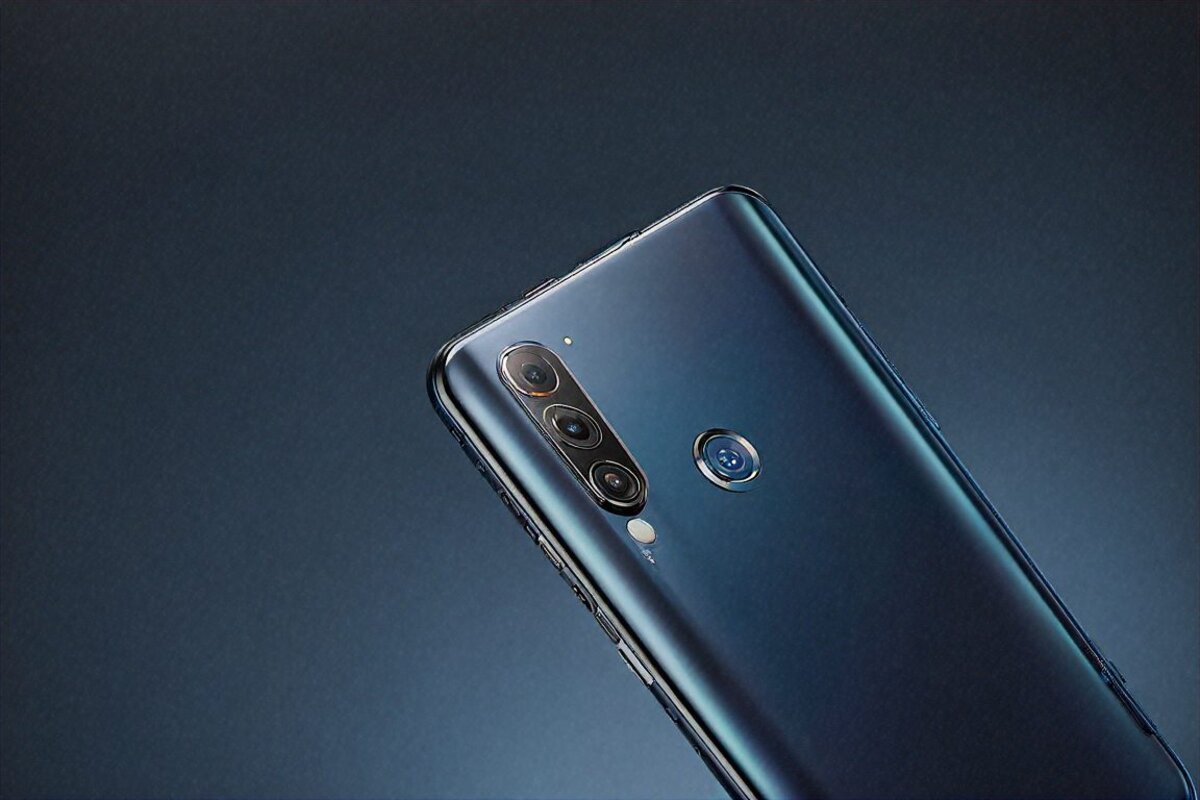
There’s a tired line that gets repeated about Vivo: “budget brand reaching for premium.” I’ve never bought it, and the X200 Pro is why. Vivo’s been shipping genuinely high-end X-series phones for years — good cameras, good panels, fast chips. What they haven’t managed is to get the Indian tech crowd to mention them in the same sentence as Samsung or Apple. This phone, at Rs 59,999, isn’t chasing either of those brands. It’s aimed squarely at the person who cares about telephoto more than anything else and wants a phone that’s actually thin without feeling cheap somewhere to pay for it.
Two and a half weeks in, I’d say it pulls that off. There’s one catch I’ll get to, and it’s a real one.
Start With the Reason This Phone Exists
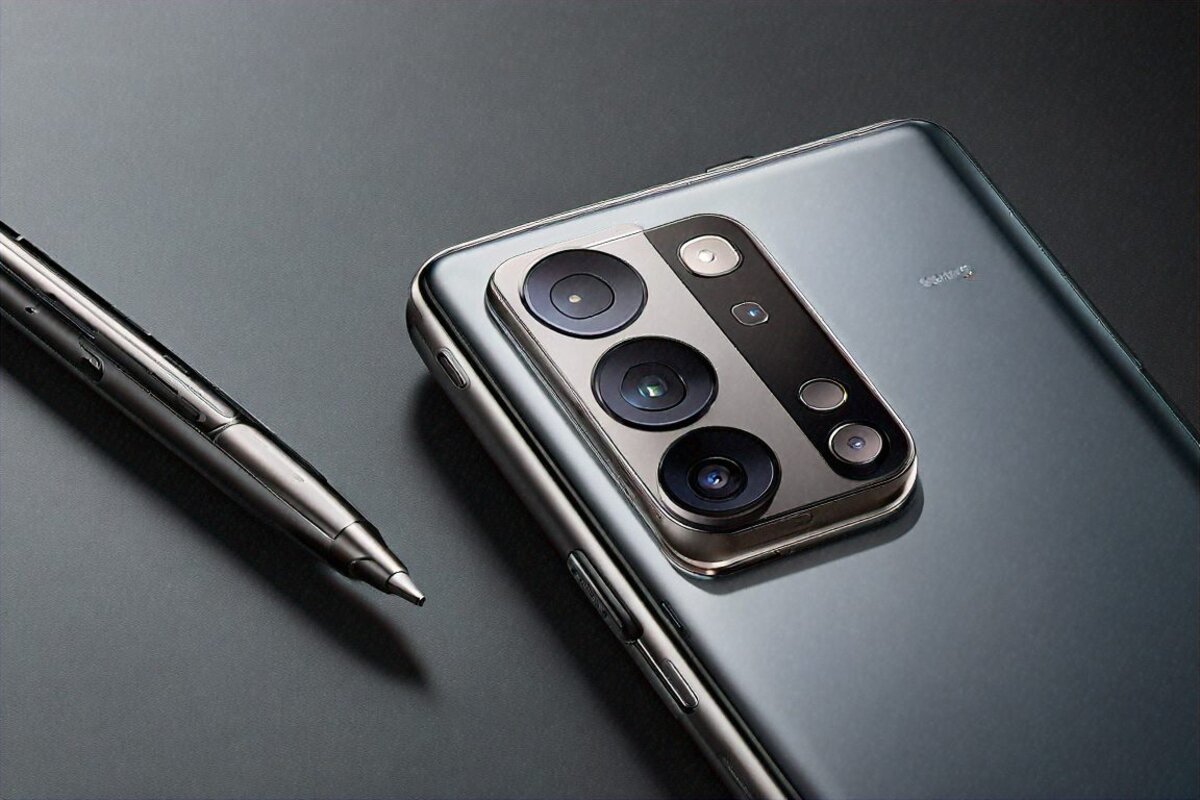
A 200MP Zeiss periscope telephoto. Read that again. Two hundred megapixels on the zoom lens, Zeiss T* anti-reflective coating on the glass, 3.7x optical. The sheer detail it pulls in beats anything else near this price, and frankly beats a few phones that cost double.
I’m putting it up top because it’s the whole point of the X200 Pro. Take the camera away and you’re left with a perfectly fine Snapdragon 8 Gen 5 phone lost in a very crowded room. Leave it in and Vivo’s got something nobody else offers at Rs 59,999.
The cameras need their own section, though, so hold that thought.
Thin in a Way You Notice
8.2mm. That’s the number. For comparison, the Samsung S26 Ultra is roughly 8.6mm, the OnePlus 14 Pro around 8.7mm, and the iPhone 17 Pro Max about 8.25mm. Vivo’s the slimmest of that group while still cramming in a 5800mAh battery, which on paper shouldn’t add up. Somehow it does.
You feel the thinness the second you grab it. It drops into jeans without the bulge bigger phones leave. And despite the 219 grams on the spec sheet, it reads lighter in the hand — the slim profile spreads the weight out differently.
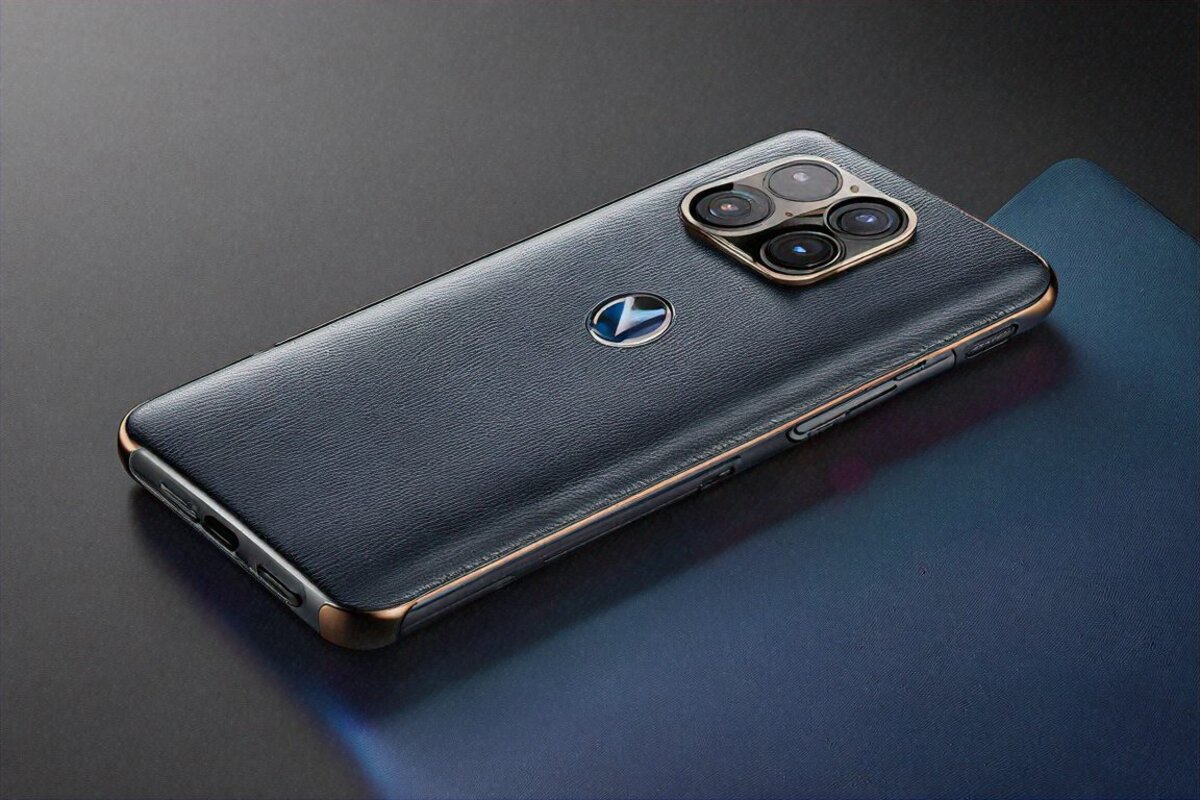
Two backs to choose from. Glass is standard. The vegan leather one is the one I’d hunt down. It’s got a texture that actually grips, which I appreciated more every time I watched a glass-backed phone slide off a couch. Leather picks up a quiet patina with age instead of scratches, so it gets a bit of character rather than just looking beat up. The downside? It’s the harder variant to find in stock.
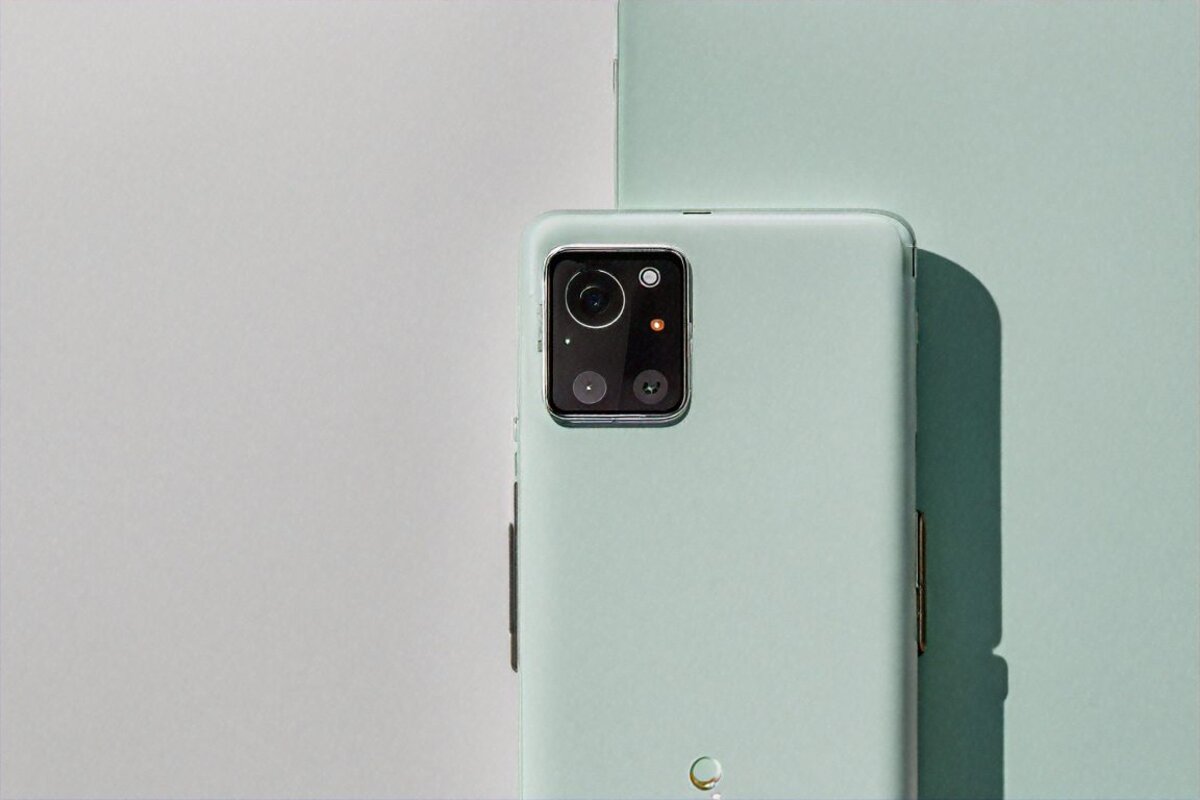
The rectangular camera island holds the Zeiss array, with the branding and T* coating mark on display. Build is excellent — metal frame, precise machining, tight gaps where glass meets metal, buttons that click properly. Hand it to someone blind and they’d guess north of Rs 59,999.
The Panel
A 6.78-inch AMOLED, 144Hz, 3000 nits at peak. Smooth, punchy, easy to read outdoors. That’s the quick version.
The longer one: colour accuracy is excellent, covering the full DCI-P3 space. Anything mastered in P3 — most Netflix Originals, a lot of the better YouTube channels — shows up correct with no fiddling. Text is crisp at 1260 x 2800, dense enough that you won’t pick out pixels at a normal distance.
HDR streaming genuinely looks good here. Dolby Vision’s supported, and over a weekend Netflix binge the blacks went properly inky while the highlights stayed restrained instead of clipping. For a phone screen, it gets surprisingly close to a decent TV.
Vivo’s eye-comfort mode shifts colour temperature and cuts blue light for night reading. I left it on every evening. It’s gentler than some versions I’ve used — the screen warms up rather than going full sunset-orange, which is the right call.
The under-display fingerprint reader is reliable too, if not the quickest I’ve tried. Samsung’s ultrasonic sensor beats it. Call it 350 to 400ms to open the phone, by my rough count — never fast enough to feel snappy, never slow enough to annoy.
The Camera Story
Three lenses on the back, and they’re nowhere near equal, so let me take them one at a time.
The main is a 50MP Sony LYT-818 at f/1.57. Wide aperture, lots of light. Daytime shots come out detailed with natural colour — Zeiss tunes for accuracy over punch, which suits me fine. A red building looked red, not radioactive. Skin tones held up across different complexions. Dynamic range was wide enough that a bright sky over a shaded foreground didn’t need heavy HDR to look right.
Night from the main camera is solid without being a leader. The Pixel 10 Pro and S26 Ultra both pull cleaner low-light frames. Push into really dark scenes and fine detail starts smearing, which tells me the noise reduction is leaning a touch hard. For social posts and ordinary viewing, though, the night shots are fine.
And now the headline: the 200MP Zeiss periscope at 3.7x optical. I’ve shot with plenty of phone telephotos, and this one nails a combination that’s genuinely rare — huge resolution paired with coating that controls flare and ghosting when the light gets nasty.
Pointing it at a backlit subject on Marine Drive during golden hour, sun low and throwing harsh light straight into the lens, the T* coating held contrast and skipped the washed-out look most phone telephotos give you in that exact moment. That’s the kind of thing a spec sheet can’t tell you. Argue about megapixels all day; when a lens handles backlight properly, you see it instantly in the shot.
At 3.7x the detail is faintly absurd. I zoomed onto a building face across a cricket ground and read text on a banner my eyes couldn’t make out. At 10x digital it was still usable, a bit soft next to native but fine for social. Even 20x — fully digital — held identifiable detail, which is the 200MP sensor handing the crop algorithm enough data to chew on.
The 50MP ultrawide is the weak one, as ultrawides usually are. It’s fine for group shots and wide scenery. Edges go a little soft, not badly. Colour roughly matches the main camera. I wouldn’t buy this phone for the ultrawide, but I wouldn’t write it off over the ultrawide either.
Video does 4K at 60fps with solid stabilisation. It’s not Apple-grade — nothing is — but it’s smooth and works for travel clips and casual filming. Built-in mic audio is decent and voices come through clearly, though wind handling could be tighter. For interviews or talking-head stuff, a USB-C lav mic gets you much cleaner sound.
One thing I went out of my way to test: portrait mode at 3.7x. The 200MP sensor plus optical reach gives portraits a natural background compression that no wide lens fakes well. Subject cutout is clean, hair edges — always the hard part for computational bokeh — hold together, and the Zeiss rendering lends skin a warm, slightly three-dimensional look. If portraits are your thing, and they seem to be for a lot of buyers here, this mode is the genuine standout at the price.
Snapdragon 8 Gen 5 in Daily Use
By now in this 2026 flagship run you know the Snapdragon 8 Gen 5 drill. Apps open fast. Multitasking stays smooth. Games run well. The chip stopped being a tiebreaker a while ago — it’s just the entry fee in this bracket.
What still varies is heat, and Vivo handles it reasonably. Over a 40-minute BGMI session on high settings the phone warmed up near the camera module but never got uncomfortable, and I didn’t catch it throttling. With 12GB of LPDDR6 it kept apps parked in memory nicely — I had a dozen in recents and jumping between them was instant, no reloads.
Gaming isn’t what this phone’s selling (the camera is), but it copes. Frame rates stayed steady in demanding titles and long sessions didn’t faze it.
The stereo speakers caught me off guard — bottom edge plus earpiece, clear with decent separation. Not audiophile gear, but plenty for a YouTube video without reaching for headphones. They get loud enough for a quiet room before distortion creeps in.
Calls were clear on both Jio and Airtel through my testing. The earpiece goes loud enough for noise — I took a few calls during an auto ride through Mumbai traffic and could hear fine. Wi-Fi calling kicked in without fuss when the signal got thin indoors.
A Battery That Outsizes Most
5800mAh. That’s more than the S26 Ultra’s 5500mAh, less than the OnePlus 14 Pro’s 6000mAh (fine, OnePlus wins that one), and a lot more than the iPhone 17 Pro Max’s 4685mAh. Fitting it into an 8.2mm body is the quietly impressive bit.
Screen-on time landed between 8 and 10 hours depending on how hard I pushed. Heavy camera days — those 200MP frames crunch a lot of data — sat nearer 8. Lighter days of messaging and streaming got close to 10. A full day was never in doubt. Most nights I still had 25 to 30% left at bedtime.
Charging is 90W wired, roughly 45 minutes from empty to full, plus 50W wireless. Both are quick and the phone stayed cool charging. The 90W brick is in the box too — worth flagging when pricier rivals ship nothing.
Software: Here’s the Catch
Remember the catch I mentioned? This is it.
Funtouch OS 16 on Android 16 is the X200 Pro’s softest spot. Not because it’s broken or laggy — day to day it’s fine. It’s the bloat. During setup the phone pulled in several third-party apps I never asked for. Vivo’s own duplicates — V-Video, V-Browser — sit next to Google’s with no reason to exist. A handful of “system” notifications turned out to be ads in a costume.
You can deal with all of it. Uninstall most of the third-party junk, switch off Vivo’s duplicates, kill the promo notifications. Twenty focused minutes after setup and you’re clear. But on a Rs 59,999 phone going up against OxygenOS (much tidier) and Pixel’s stock Android (basically spotless), the way Funtouch treats the buyer feels a bit insulting.
Vivo’s committing to three years of OS updates and four of security patches. Adequate, nothing more. The V-Nova AI assistant does on-device text summaries and image edits — it works, but I never reached for it over Google’s tools.
Once the cleanup’s done, daily use is smooth. Animations respond, settings are laid out sensibly, notifications behave. It’s only that first hour that sours things, and it didn’t have to.
Connectivity
Twelve 5G bands covering every Indian operator. Wi-Fi 7 for fast wireless. Bluetooth 5.4 with LE Audio for better wireless headphone sound. NFC for Google Pay taps. Extended RAM borrows a slice of storage as virtual memory to hold more apps open.
No complaints here — standard flagship connectivity that does its job across Indian networks.
The extended RAM grew on me more than I expected. Vivo uses some of the fast UFS 4.1 storage as virtual RAM on top of the physical 12GB or 16GB. In practice, apps I’d opened hours earlier were still alive when I came back. WhatsApp, Chrome with eight tabs, Instagram, a notes app, the camera — all kept their state across a whole afternoon without reloading. A small thing that quietly smooths out the day.
The IP Rating Mess
This one genuinely bugged me. The India version of the X200 Pro carries no official IP68 rating. The global model does, from what I’ve read, but the Indian one either wasn’t certified or Vivo chose not to bother for this market. Rivals at this price — Xiaomi 15 Pro at Rs 49,999 with IP68, OnePlus 14 Pro at Rs 69,999 with IP65 — both publish ratings. Skipping it looks like an oversight, especially since the hardware is presumably the same.
Will the phone die the moment it gets wet? Probably not — the internal sealing is likely close to the global unit. But without certification there’s no promise, and Vivo’s warranty won’t cover water damage. If you’re in a heavy-monsoon city or you’re rough with electronics near water, weigh that in.
Where to Actually Buy It
The X200 Pro sells mainly through Flipkart and Vivo’s own site. Not Amazon India. Retail presence is thin next to Samsung or even Xiaomi. Want to try before buying? Vivo’s mall stores are your best shot, but they’re not in every city.
| Specification | Details |
|---|---|
| Processor | Snapdragon 8 Gen 5 (3nm) |
| RAM | 12GB/16GB LPDDR6 |
| Storage | 256GB/512GB UFS 4.1 |
| Display | 6.78″ AMOLED 144Hz |
| Main Camera | 50MP f/1.57 Sony LYT-818 |
| Telephoto | 200MP Zeiss 3.7x periscope |
| Ultrawide | 50MP f/2.0 |
| Battery | 5800mAh |
| Charging | 90W wired, 50W wireless |
| OS | Funtouch OS 16 Android 16 |
| Weight | 219g |
Pros and Cons
Pros
- 200MP Zeiss telephoto at Rs 59,999 is unmatched — nothing else comes close at this price for zoom photography
- 8.2mm slim profile despite packing a 5800mAh battery is impressive engineering
- 5800mAh battery delivers 8-10 hours of screen time comfortably
- 90W wired and 50W wireless charging are both fast and well-implemented
- Zeiss T* coating makes a visible difference in backlit and high-contrast photography scenarios
Cons
- Funtouch OS ships with meaningful bloatware and occasional promotional notifications
- Limited retail availability — Flipkart exclusive mostly, not on Amazon India
- India variant lacks an official IP68 rating, which competitors at this price offer
- Ultrawide camera is serviceable but behind the competition
Price
Rs 59,999 for the 12GB/256GB variant. Sold on Flipkart and Vivo’s official website.
What I’d Tell a Friend
If a friend asked me about this phone — not a reader, just someone over coffee — here’s the honest answer. Shoot a lot of zoom? Cover events, travel often, ever wished your telephoto could grab more from further out? Go to a Vivo store and try the 200MP zoom yourself. Shoot something at 3.7x. Then 10x. Then 20x. Hold it up against whatever you’re carrying now.
If the gap makes you grin, buy it and budget 20 minutes to scrub the software after setup. If it doesn’t move you, the OnePlus 14 Pro at Rs 69,999 is the better all-rounder with cleaner software for roughly the same outlay. That’s the real choice most people in this bracket are making — OnePlus for balance, Vivo for the zoom. So go try the camera first, then decide.
Full Specifications
| Processor | Snapdragon 8 Gen 5 (3nm) |
|---|---|
| RAM | 12GB/16GB |
| Storage | 256GB/512GB |
| Display | 6.78" AMOLED 144Hz |
| Main Camera | 50MP f/1.57 LYT-818 |
| Telephoto | 200MP Zeiss 3.7x periscope |
| Battery | 5800mAh |
| Charging | 90W wired, 50W wireless |
| OS | Funtouch OS 16 |
| Weight | 219g |
Pros
- Exceptional 200MP Zeiss telephoto at this price
- Slim 8.2mm profile with premium build
- 5800mAh large battery
- 90W fast charging in 45 minutes
- ZEISS T* coating minimises lens flare
Cons
- Funtouch OS has heavy bloatware
- Limited availability mainly Flipkart exclusive
- No official IP68 rating on India variant
- Average ultrawide camera
Our Rating: 8.6/10 · Price: ₹59,999

0 Comments