
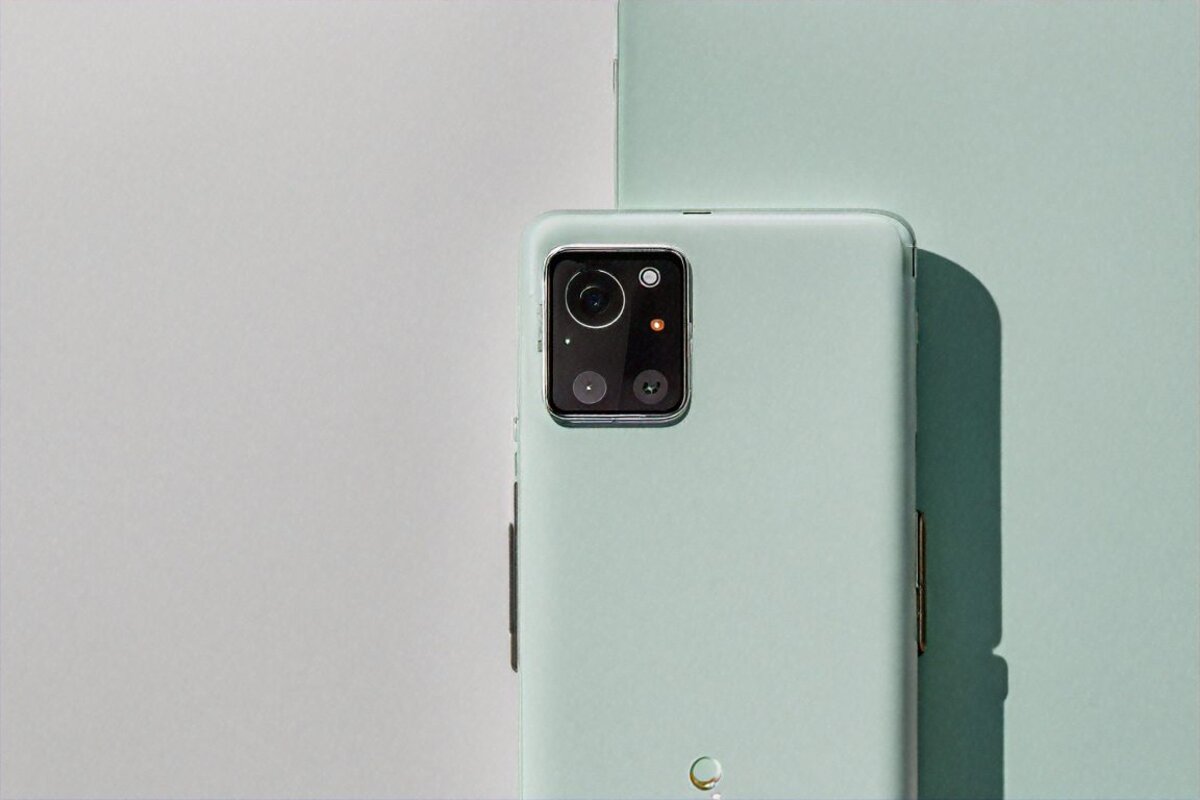
Everyone keeps telling me the Pixel 10 Pro is slow. Reviewers, the benchmark crowd, half the comment sections — they point at the Tensor G5’s numbers next to the Snapdragon 8 Gen 5 and write Google’s chip off as a weakness. I went in fully expecting to nod along. Three weeks later I’m genuinely not sure they’re right. Or maybe they’re right about the benchmarks and wrong about what those benchmarks mean for the rest of us. I haven’t fully untangled it — and that confusion is, weirdly, the most interesting thing about this phone.
Google wants Rs 89,999 for it in India. That drops it squarely into premium territory — above the OnePlus 14 Pro, above the Xiaomi 15 Pro, roughly where you’d expect a phone from a trillion-dollar company to sit. What the money buys is a very particular idea of what a phone should be: the best cameras on Android, the cleanest software you can get, AI features that actually do something, and seven years of updates. What it doesn’t buy is the fastest chip, the biggest battery, or the loudest design. Google made some deliberate trade-offs here, and whether they land for you is entirely about what you care about.
A phone you can hold in one hand
Can we talk about size for a second? In a market sprinting toward 7 inches, Google went with 6.3. That’s noticeably smaller than the Samsung S26 Ultra at 6.9″, the iPhone 17 Pro Max at 6.9″, and the OnePlus 14 Pro at 6.82″. Picking the Pixel up after those felt like pulling on a glove that finally fits.
I could reach the top-left corner without shuffling it around my palm. One-thumb typing was comfortable. It slid into a shirt pocket without jutting out. If you’ve felt like flagships have ballooned past sensible — and judging by the emails I get, a lot of you have — this is probably the most comfortable high-end phone you can buy right now.
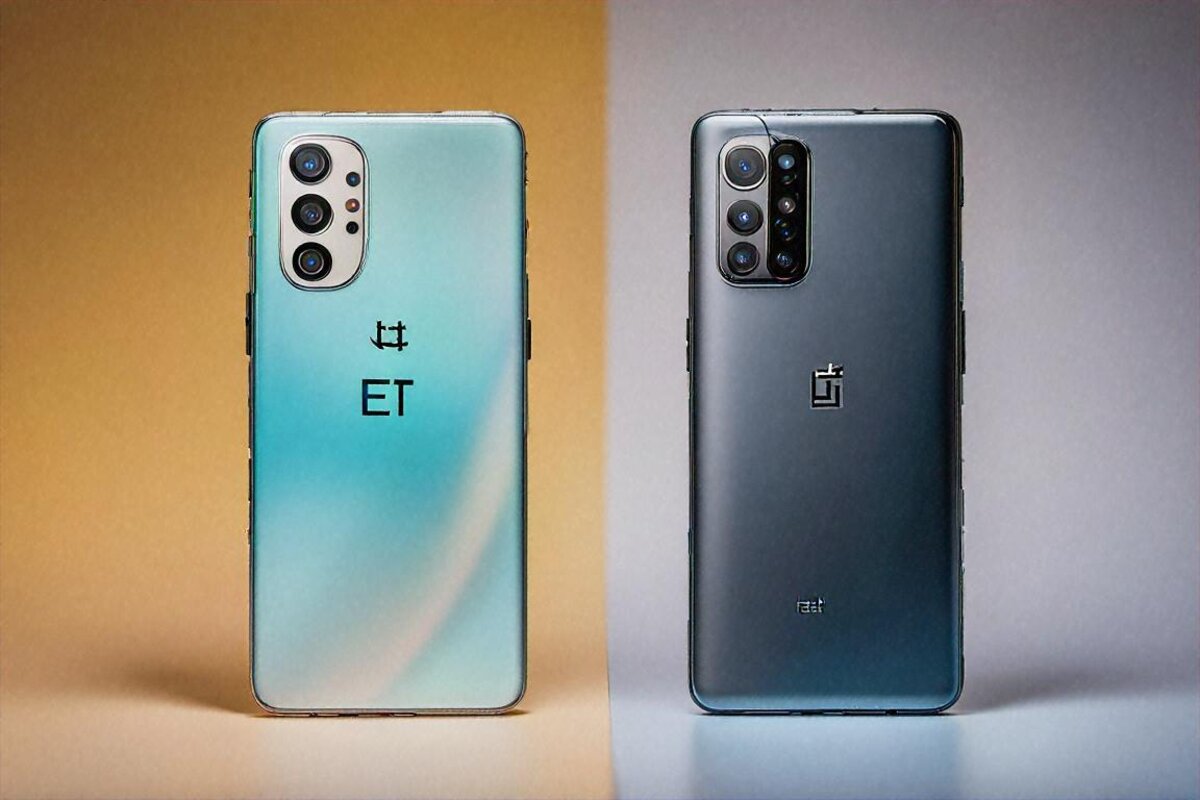
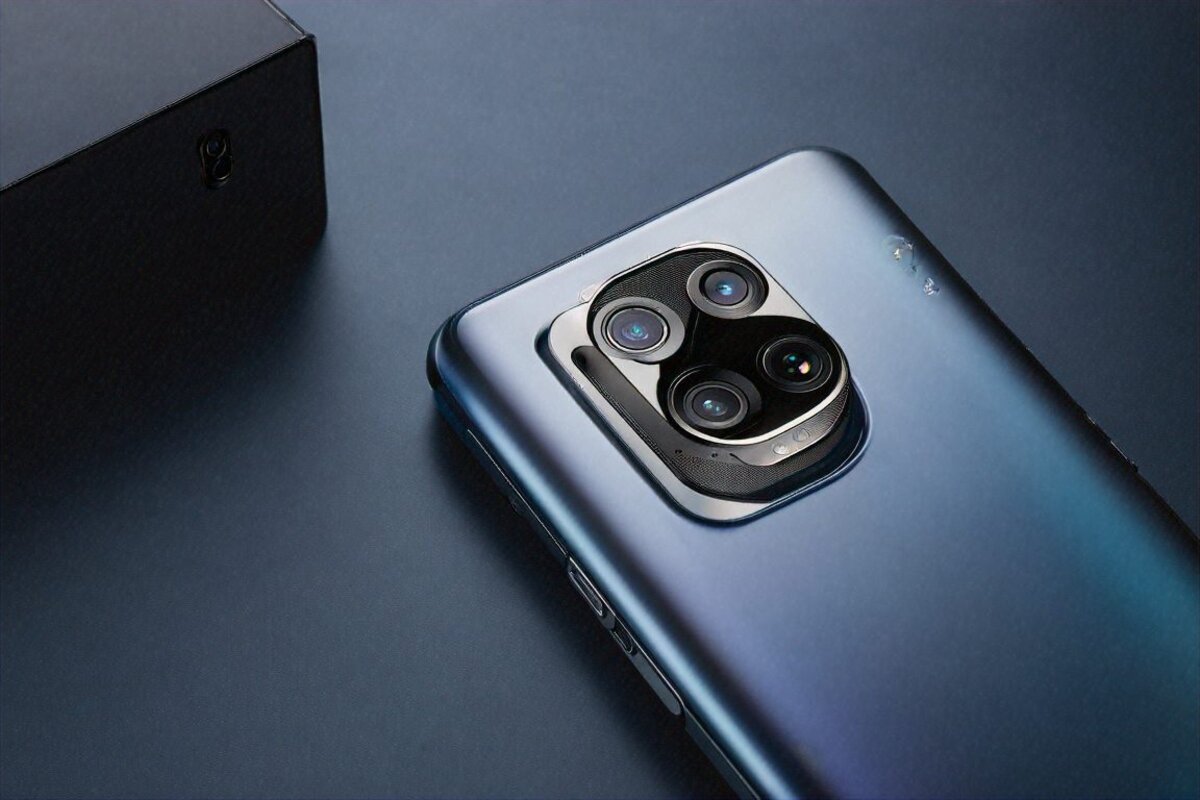
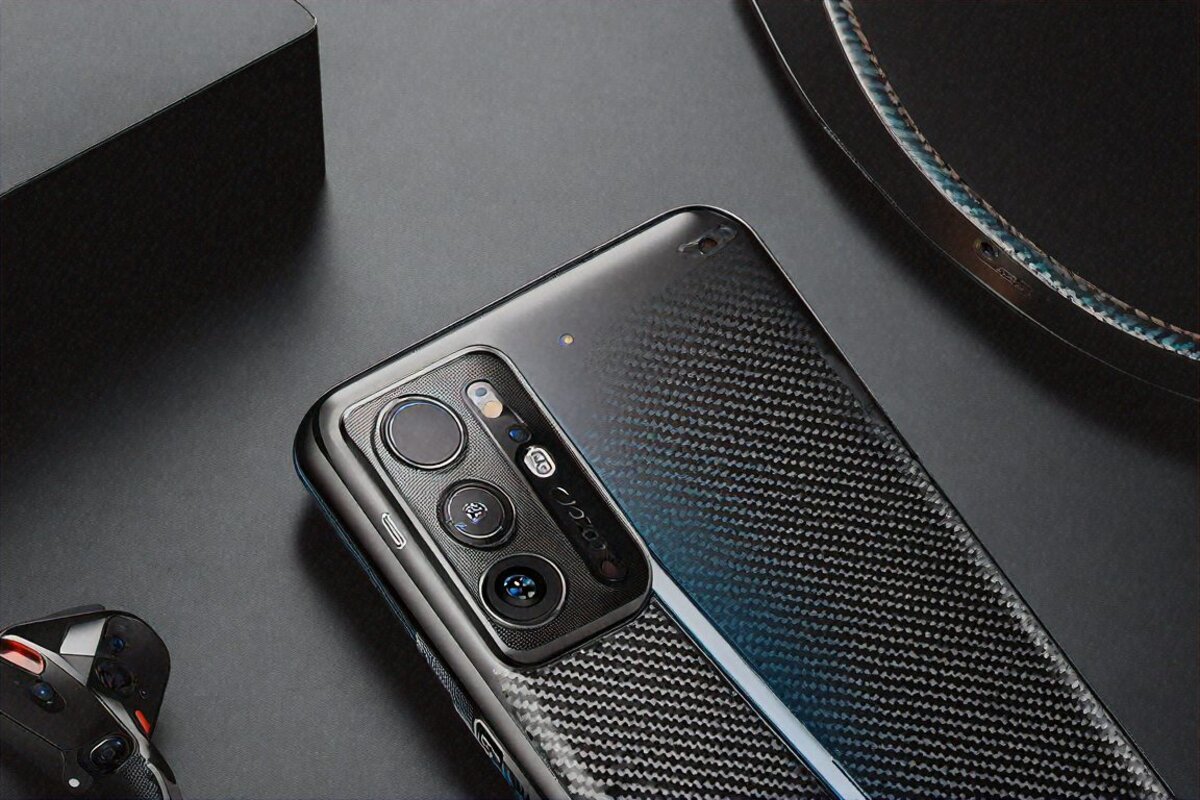
The look is classic Pixel: polished stainless steel frame, matte glass back, and that horizontal camera visor that’s become the family signature. Distinctive without shouting. It’s a good-looking phone, though I’d reach for “restrained” before “stunning.” IP68, so full water and dust protection.
Colours run Obsidian (black), Porcelain (cream), Hazel (brown-green), and a new Sage with a soft green tone. I’ve had the Sage and it’s lovely — subtle enough for a meeting, interesting enough to stand out on a desk full of black slabs. Google’s design team seems to get colour in a way the others can’t quite match.
The display: not the brightest, but remarkably honest
Here’s where my skepticism first started to crack. The 6.3-inch LTPO OLED peaks at 2400 nits. Lower than Samsung’s 2600, way under OnePlus’s frankly silly 4500. On paper, mid-pack at best.
In use? I barely noticed. Outdoor readability was fine in normal daylight — walking Marine Drive in Mumbai, checking Maps in direct sun, going through photos outside a coffee shop. Was it the nuclear brightness of the OnePlus screen? No. Did it actually matter in anything I did? Also no.
What impressed me more than nits was the colour accuracy. Google had this panel Pantone Validated and you can tell. Colours look correct in a way that’s hard to put into words until you see it — skin tones match reality, the blue sky in a photo looks like the sky you stood under, white reads as white rather than blue-white or warm-white. If you do any photo or video work on a phone, that accuracy beats raw brightness every time.
Resolution’s 2992 x 1344, around 489 PPI. Text is crisp at any size. The adaptive refresh between 1Hz and 120Hz works invisibly. The always-on display is well done and barely touches the battery, showing time, weather and notification icons at a glance.
The under-display fingerprint reader is dependable, though I’d call it a hair slower than Samsung’s ultrasonic — maybe 400ms to Samsung’s 300. Nothing in isolation, but noticeable when you hop between phones as often as I do.
The camera is the whole reason
Let me be straight about something. I went into this thinking the camera gap between Pixel and the rest had basically closed. Samsung, Apple, OnePlus — they all shoot beautifully now. The era of the obvious Pixel camera crown felt over.
I was wrong. Not by as much as Google would like, maybe, but wrong enough that I have to say it plainly: the Pixel 10 Pro still takes the best photos of any Android phone I’ve used this year. Here’s why.
The 50MP Octa PD main sensor isn’t the highest resolution. It isn’t the biggest, either — Xiaomi’s 1-inch sensor dwarfs it. On a spec sheet, it shouldn’t be winning. But Google’s computational photography — the AI work that happens in the instant between your tap and the saved image — is doing things the others haven’t caught up to.
Real Tone was the feature that stood out most in India. Google’s approach to rendering skin tones accurately across complexions is genuinely impressive. I shot friends and family across a range — fair, medium, dark — and every time the Pixel got the colour right, naturally. Samsung tends to brighten faces a touch. Apple smooths them. Google just shows them as they are. In a country this diverse, where a single wedding frame holds people with wildly different complexions, that matters more than half the spec comparisons people argue about.
The 48MP ultrawide grabs sweeping landscapes with minimal corner distortion. Sharp across the frame, and the colour stays consistent with the main camera — rarer than you’d think, since plenty of phones shift tone between lenses. Autofocus on the ultrawide makes for solid macro shots too.
The 48MP 5x periscope is where the computational magic really shows. Physically it’s a smaller sensor than Samsung’s or Apple’s telephoto. But the processed output comes back remarkably detailed, Google’s upscaling and noise reduction producing 5x shots that hold up under a closer look. I won’t pretend it matches the S26 Ultra’s dual-telephoto range or the iPhone’s 10x reach — but at its native 5x, it’s right there with both.
Magic Eraser is one of those features I wrote off as a gimmick until I started using it for real. Pulling a stranger out of a background, scrubbing a grubby signboard from a scenic shot, deleting a photobomber — it works maybe 80% of the time, the other 20% leaving a faint smudge. Best Take, which fuses a burst of group shots so everyone’s got their eyes open, saved at least two photos at a family gathering last weekend.
Night is still a Pixel stronghold. Where Samsung throws hard noise reduction at the dark (sometimes smearing fine detail) and Apple tends to brighten shadows a lot, Google takes the measured route. Night shots look like night — darker than daylight, but with detail held in both highlights and shadows and colours that match the actual scene. I shot a lot around the dim streets of Bandra, and the Pixel’s frames were consistently the most natural of anything I compared.
Tensor G5, the chip everyone argues about
Right, let’s deal with it. The Tensor G5 is not as fast as the Snapdragon 8 Gen 5 in raw benchmarks. Geekbench trails by a real margin. GPU scores sit lower. If you judge a phone by its AnTuTu number, the Pixel 10 Pro will let you down.
But I spent three weeks living on this phone — using it, not benchmarking it — and I struggled to find a moment where the G5 felt slow. Apps opened fast. Multitasking stayed smooth with 12GB of RAM keeping plenty alive. Chrome with a dozen tabs didn’t flinch. Photo processing happened quickly. It was responsive in every situation a normal day throws at it.
Where the G5 actually beats Snapdragon is AI work. Google built this chip around a big dedicated AI block, and it shows. On-device transcription is faster than any phone I’ve tested — a 10-minute voice memo came back as full text in seconds. Live translation runs in real time during a conversation with no lag worth mentioning. Gemini’s woven in deep: you can ask it complex questions about whatever’s on your screen, get context-aware suggestions while browsing, and use voice commands that understand natural speech in a way the old Assistant never managed.
Gaming is where the gap turns visible. BGMI maxed out shows the occasional frame dip you wouldn’t see on a Snapdragon phone. Genshin Impact runs at high but not ultra. If gaming’s your priority, this probably isn’t your phone. If it’s something you do now and then rather than obsessively, you’ll be fine.
The Titan M3 security chip deserves a line too. It’s a hardware module that walls off your sensitive data — biometrics, encryption keys, payment info — in an isolated chip that stays sealed even if the main processor is compromised. Add Google’s monthly security patches for seven years and this is arguably the most secure Android phone you can buy.
Battery: an honest reckoning
The 4700mAh battery is, well, adequate. Not spectacular, not terrible. In a world where OnePlus ships 6000mAh and Samsung ships 5500, Google’s cell feels cautious. Especially at Rs 89,999.
Screen-on time averaged about 6 to 7 hours with mixed use — messaging, camera, social, light gaming. Lighter days nudged past 7. Heavy camera use, shooting 100-plus photos on an outing, drained it faster than I expected, probably from all that computational work running on every frame.
Getting through a day was never the problem. But “getting through” here means landing at bedtime on 10-15%, which feels tight next to the OnePlus 14 Pro’s 30-35% at the same hour. Google’s adaptive battery features (they learn your habits and clamp down on background activity for apps you ignore) help, but they can’t fully cover for a smaller cell.
Charging is 45W wired — decent, not fast by 2026 standards. A full charge runs a bit over an hour. Wireless is 23W for desk top-ups. No complaints about reliability or heat while charging, but the speed just doesn’t impress next to OnePlus’s 100W, or even Samsung’s improved 65W.
Software: the Pixel’s quiet weapon
Pure Android 16 with Gemini woven through. No manufacturer skin sitting between you and Google’s idea of Android. Every feature, animation and setting exactly as Google built it. If you’ve ever used a Pixel and then switched to a Samsung or a Xiaomi, you feel it instantly. Everything on a Pixel feels intentional, considered. Nothing’s there just to fill a marketing slide.
Seven years of OS updates and security patches. Buy it in 2026 and it’s supported to 2033. That’s an age in phone years. Over that stretch the Pixel 10 Pro actually gets better value — other phones go dark after three or four years while this one keeps pulling new features and fixes.
Google’s own apps are tuned perfectly for the G5, which makes sense given Google owns both ends. Photos runs flawlessly with smart suggestions. Maps is snappy with live traffic. Gmail, Drive, the whole Workspace suite feel native in a way they simply don’t on other Android phones.
Availability: the real soft spot
Getting a Pixel in India has always been harder than it ought to be. The 10 Pro sells through Google Store India, Flipkart, and a handful of Croma outlets. That’s the list. No Amazon India. No neighbourhood phone shops. No sprawling Samsung-style retail web. And if something breaks, service centres are limited to the big metros.
For a Rs 89,999 phone, that thin retail footprint is a genuine weakness. People spending this kind of money want to hold the thing before they buy, and want a service centre within a sane distance. Google’s improved on past years, but the gap against Samsung (everywhere) or even OnePlus (a growing network plus Amazon) is still wide.
Specifications
| Specification | Details |
|---|---|
| Processor | Google Tensor G5 |
| RAM | 12GB LPDDR5X |
| Storage | 128GB / 256GB / 512GB UFS 3.1 |
| Display | 6.3-inch LTPO OLED, 2992×1344, 120Hz |
| Main Camera | 50MP f/1.68 Octa PD sensor |
| Ultrawide | 48MP f/1.7 with AF |
| Telephoto | 48MP 5x periscope f/2.8 |
| Front Camera | 10.5MP f/2.2 |
| Battery | 4700mAh |
| Charging | 45W wired, 23W wireless |
| OS | Android 16, 7 years of updates |
| IP Rating | IP68 |
| Weight | 213g |
Pros and Cons
Pros
- Best computational photography on Android — Real Tone gets skin tones right across all complexions
- Seven years of guaranteed updates makes this the longest-supported Android phone available
- Pure Android 16 with deep Gemini AI is the cleanest, most thoughtful smartphone software experience
- 6.3-inch size is refreshingly compact and comfortable for one-handed use
- Titan M3 security chip makes it arguably the most secure Android phone on the market
Cons
- Tensor G5 falls behind Snapdragon 8 Gen 5 in raw performance and gaming
- Limited India availability — no Amazon, no widespread retail presence, few service centres
- 45W charging feels slow compared to OnePlus’s 100W or Samsung’s 65W
- 4700mAh battery is smaller than most competing flagships and it shows in screen-on time
Price and where to buy
Rs 89,999 for the 12GB/256GB variant. Available through Google Store India, Flipkart, and select Croma outlets in the bigger cities.
What I’m still working out
Three weeks on, I’m in an odd spot. I can rattle off the Pixel 10 Pro’s objective flaws: smaller battery, slower chip, patchy availability, slower charging. On paper the OnePlus 14 Pro at Rs 69,999 beats it in most categories. The Samsung S26 Ultra at Rs 1,34,999 beats it in everything except size and software purity.
And yet. I keep reaching for the Pixel when I want a photo I actually care about. I keep preferring it for a long message or a long read, because the software just feels more deliberate. I keep appreciating that it fits my hand properly, and that the AI works so naturally I forget it’s there.
Maybe the specs-first crowd is right and the G5 holds it back. Maybe the camera edge is overstated and Samsung’s closing faster than I think. Maybe the limited availability keeps most Indian buyers from even looking. All possible.
But there’s something about a phone where every piece of hardware and software came from the same team, aimed at the same idea. It produces an experience that’s hard to pin to a spec table and very easy to feel in your hand. Whether that’s worth Rs 89,999 when faster, bigger, more available phones exist — I genuinely don’t know. I think it might be. I’m just not certain enough to tell you for sure. And maybe that uncertainty is the most honest thing I can offer about a phone this deliberately its own thing.
Full Specifications
| Processor | Google Tensor G5 |
|---|---|
| RAM | 12GB LPDDR5X |
| Storage | 128GB/256GB/512GB |
| Display | 6.3" LTPO OLED 120Hz |
| Main Camera | 50MP f/1.68 Octa PD |
| Battery | 4700mAh |
| Charging | 45W wired, 23W wireless |
| OS | Android 16 7yr updates |
| IP Rating | IP68 |
| Weight | 213g |
Pros
- Best Android computational photography
- Seven years OS updates
- Pure Android with Gemini AI
- Compact form factor
- Real Tone skin rendering
Cons
- Tensor G5 lags in benchmarks
- Limited India availability
- Charging slower than rivals
- Average battery size
Our Rating: 9/10 · Price: ₹89,999

0 Comments