
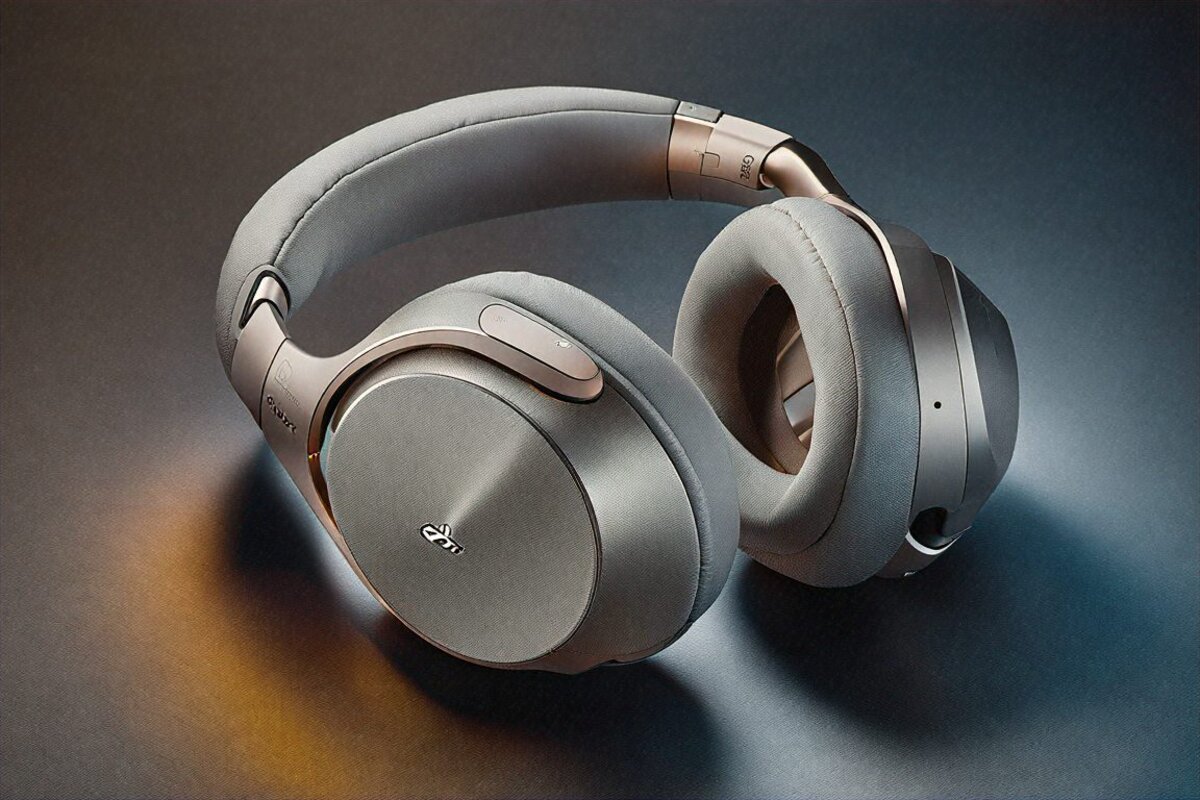
The 9 AM Delhi Metro Nearly Won. Sony Didn’t Let It.
If you’ve never stood on the Blue Line at Rajiv Chowk on a Monday at rush hour, count yourself lucky. It’s a wall of sound. Brakes shrieking on steel. Announcements bouncing off tiled walls. Three hundred conversations going at once across four languages. The hiss of doors. And vendors flogging earphones on the platform, of all things, while your ears quietly beg you to leave.
Seven years of that commute. For the last three the Sony WH-1000XM5 was the thing keeping me sane on it. So when the XM6 turned up at Rs 29,990 promising industry-leading cancellation from a new QN3 chip, the question was never whether I’d buy one. It was whether the jump was real enough to retire a headphone that already felt like a small miracle.
Five weeks on. Daily metro runs, weekend hops to Bangalore and Mumbai, late nights grinding in a loud Hauz Khas flat, and one absurdly noisy Holi party. Here’s what I worked out.
Noise Cancellation, Because That’s the Whole Point
I’m going to dwell on the ANC longer than anything else, because let’s be honest, that’s why anyone hands over thirty grand for these. If you just want good sound at Rs 30,000, cheaper headphones exist. The premium buys silence. So I’ll do it justice.
Metro rumble (low, sustained): all but gone. That deep bass drone of the train on the rails, which the XM5 knocked back maybe 85%, the XM6 pushes to something like 92 to 95%. Tiny gap on paper, big one to your ears. On the XM5 I could still feel the train was there. On the XM6 I genuinely forget I’m sealed inside a metal tube underground. The music just plays, like I’m sitting in a quiet room.
Announcements (mid, on and off): the automated “agle station” calls that used to cut straight through the XM5 are now a vague mumble. If I go looking for one I can tell something’s being said. It doesn’t barge into a podcast though. This was a genuine soft spot on the XM5, and Sony clearly went after mid-frequency cancellation on purpose with the QN3.
Talking (mid-high): the bloke standing 30cm away on a phone call? On the XM6 I get a muffled sense that someone’s speaking but no actual words. The XM5 used to leak me fragments of sentences. Not a night-and-day leap, but real and welcome.
AC and fan drone (low, constant): office AC overhead, a ceiling fan on medium — both basically vanish. The XM5 already nailed this, and the XM6 holds the line. No complaints.
Sharp, high stuff (keys, pen taps, clicks): ANC has always been weakest up here, and the XM6 can’t rewrite physics. Sharp transients still slip through, quieter but present. A colleague’s furious typing reads as a soft tap rather than a full clack. Better than the XM5, but don’t expect it gone.
The verdict on noise: the best I’ve put on my head, no qualifier. Ahead of the Bose QC Ultra. Ahead of the AirPods Max. The lead over the field hasn’t ballooned, but Sony’s still in front. For anyone who spends an hour or two a day in the racket, that lead is the whole purchase.
Speak-to-Chat: Mostly Sorted Now
On the XM5, Speak-to-Chat was a smart idea let down by patchy execution. Start talking, the headphone hears you, pauses the music, and lets the room in so you can have a conversation. Trouble was it’d fire when I cleared my throat, hummed along, or made any noise that wasn’t actually speech. I switched it off after a month and didn’t miss it.
The XM6 does it better. Sony says the QN3 reads voice patterns more cleverly to tell talking apart from throat-clearing and the like. In five weeks of use: zero false fires from humming or coughing. ONE from a particularly theatrical sneeze. And a handful of times it didn’t kick in when I started speaking, so I had to talk up or pull a cup off my ear. I’d call it 85% reliable, up from maybe 60% on the old one.
Still not flawless. Still the odd awkward beat. But good enough that I’ve left it on this time. Being able to order a chai at the station without yanking the headphones off is a small thing that quietly adds up over a few hundred commutes.
Sound: Warmer Than the XM5, and That’s Fine by Me
Sony’s voiced the XM6 differently. Warmer. More weight down low. Not boomy, not muddy, just more body to it. The XM5 was fairly neutral as consumer headphones go. The XM6 leans gently into a musical, slightly bass-forward sound that I reckon suits more Indian ears, especially anyone deep in Bollywood, hip-hop or electronic stuff.
To be specific: kick drums in A.R. Rahman tracks carry more heft. Arijit Singh’s lower register has richer grain. Nucleya’s basslines land as something you feel rather than something you’re merely told is there, which is how the XM5 tended to present them.
The mids stay clean. Vocals sit forward and well-drawn. Male and female voices both come across natural, no nasal tinge. Instrument separation is good for a closed-back, so you can pick individual guitars, synths and percussion out of a busy mix, though not with the surgical clarity of an open-back audiophile can that costs twice as much.
Treble is crisp without turning sharp. Hi-hats and cymbals get air and presence and no sibilance. The XM5’s treble could grow tiring at high volume over a long listen. The XM6 has a subtle roll-off right at the top that takes the edge off without going dull. Smart call for a headphone built for two- and three-hour sessions.
LDAC off my OnePlus 13 clearly beats SBC. You hear it most in treble detail and in how wide the soundstage feels. On an iPhone, which tops out at AAC, the headphone still sounds great, just a touch less roomy. If you’re on Android with an LDAC phone, you’re hearing what these things can really do.
360 Reality Audio, on the Sony and Tidal tracks that support it, throws up a convincing sense of space. As immersive as Apple’s Spatial Audio on the AirPods? Roughly a wash. Neither stands in for a proper home speaker, but both nudge your brain into thinking the sound’s coming from around you rather than from two drivers clamped to your skull.
Comfort: All Day, With One Asterisk
250 grams, spread well across the headband. The ear cushions use a denser foam this time, softer than the XM5’s, which I already rated. Clamp force is moderate, tight enough to seal for the ANC, loose enough that I never got a pressure headache over a long haul.
I’ve had these on for a six-hour stretch — a Bangalore-to-Delhi flight plus boarding and the taxi at each end — with no ear fatigue to speak of. By hour four I was aware of them sitting there. By hour six, mildly uncomfortable, not painful. Still better than any other ANC headphone I’ve worn for the long stuff.
The asterisk: Indian summers. These are sealed over-ear cans with protein-leather cushions. Indoors with the AC running, no bother. Step into Delhi in May at 44 degrees and your ears will sweat inside ten minutes. That’s physics, not a Sony flaw, and every closed-back has it, but it’s worth flagging for anyone here who’ll meet that situation a lot.
The matte exterior shrugs off fingerprints nicely. The XM5’s matte was already decent, the XM6 feels a notch better. I never feel the urge to wipe them down, even after handling them with slightly greasy post-lunch fingers. Petty, maybe, but it counts on a thing you’re forever touching.
Multipoint Bluetooth: The One Everyone Wants
Hooked to my laptop and my phone at the same time. I’m watching a YouTube video on the laptop, a call comes in, and the headphone flips to the phone on its own and pauses the video. Call ends, it flips back. No manual disconnecting, no rooting around in Bluetooth menus.
The XM5 had this too, but the XM6 does it quicker. The handover between devices takes about 1.5 seconds against the XM5’s 2.5 to 3. Sounds trivial. But on an incoming call that extra second was enough to make me miss the first ring now and then. The XM6 catches it every time.
Bluetooth 5.3 held steady out to about 10 metres indoors with a wall in the way. Zero random drops across five weeks, which the XM5 used to suffer (maybe once a fortnight, usually in a Bluetooth-soup environment like an airport).
Battery: 30 Hours Is Plenty
Sony quotes 30 hours with ANC on. My real number, at moderate volume, ANC active, Multipoint feeding two devices: 27 to 28. The gap between 30 and 28 is rounding error. I charge maybe once a week, and that’s on three or four hours of use a day.
ANC off, Sony says 40. I got about 36 to 37. Either way it’s enough that battery anxiety just isn’t part of owning these.
Charging is over USB-C, full in about 3.5 hours. The 3-minute quick charge for 3 hours of playback earns its keep in exactly the moment you’d guess: “I’m at the gate and I forgot to charge last night.” Any USB-C cable will do it, off a laptop port or a phone brick.
No wireless charging on the headphone, which is fine, because I’ve never once wished I could set headphones on a pad. The case has a slot for the cable, and the cups fold flat so it packs down small.
Build and What’s in the Box
Plastic with metal accents. People have grumbled about this since the XM3, and the XM6 doesn’t move the needle. It feels solid and well put together, but pick it up next to a Bose QuietComfort Ultra or the AirPods Max, both of which use more metal, and the Sony reads cheaper in the hand. On your head you’d never know, because you can’t see or feel what it’s made of. At Rs 29,990 though, the look of it matters to some buyers.
The hard case, on the other hand, is great. Clamshell, slim enough to slide into the side pocket of a laptop bag, with internal cable storage. Beats Bose’s soft pouch, holds its own against Apple’s. The headphone folds into it cleanly.
In the box: the headphone, the hard case, a USB-C to USB-C cable, a 3.5mm cable for going wired, and an airplane adapter (less and less useful these days, but nice to have). No USB-C to USB-A cable, which would’ve been a kind touch given how many people here still run USB-A chargers.
| Specification | Details |
|---|---|
| Driver | 30mm dynamic |
| Frequency Response | 4Hz – 40kHz (LDAC) |
| Codecs | LDAC, AAC, SBC |
| ANC | Sony QN3 chip |
| Battery | 30 hrs (ANC on), ~40 hrs (ANC off) |
| Charging | USB-C, ~3.5 hrs full |
| Bluetooth | 5.3, Multipoint (2 devices) |
| Weight | 250g |
| Water Resistance | None (no IP rating) |
| Price | Rs 29,990 |
The Sony Headphones Connect App
It runs the lot. An ANC slider with 20 levels of intensity. An equaliser with presets and custom bands. Adaptive Sound Control that learns the places you go and shifts ANC and ambient levels to match where you are and what you’re up to. 360 Reality Audio setup. Speak-to-Chat sensitivity. Quick Attention config.
The app works, but it’s ugly. Sony’s been running roughly this same design for four generations and it shows. Cluttered menus, settings nested too deep, a layout that’ll baffle anyone opening it for the first time. I’ve learned where everything lives, so it’s fine for me, but I’d take a redesign tomorrow.
Adaptive Sound Control is the feature I lean on most. It knows that at the office I like ANC at level 15 (kills the AC, still lets me catch my name being called), that on the metro it should slam to 20, and that when I’m walking it should switch to ambient. Took a couple of weeks to settle in, but now it just does its thing without me touching anything. Set-and-forget done right.
Pros
- Best ANC available on any headphone — period
- 30-hour battery with ANC handles a full week of commuting
- Multipoint Bluetooth switches between devices seamlessly
- LDAC delivers near-lossless wireless audio from Android phones
- Comfortable for extended 4-6 hour wearing sessions
- Speak-to-Chat actually works reliably this generation
Cons
- Rs 29,990 is a significant investment for headphones
- No IP rating — avoid rain and heavy moisture
- Plastic build doesn’t match the premium price in feel
- Speak-to-Chat still occasionally misses or false-triggers
- Ear cups get warm in Indian outdoor heat
Call Quality: Better Than I Expected
Over-ear headphones aren’t anyone’s first pick for calls, but the XM6 handles them well enough. Two beamforming mics on each cup lock onto your voice while the ANC scrubs background noise out of the mic feed. In a quiet room, callers said I came through natural and clear. In moderate noise — a walk in the park, a seat in a cafe — they could hear me fine with only faint stuff bleeding in.
Heavy noise is where it folds. Taking a call by a busy intersection, the other person could hear traffic fighting my voice. Not unusable, but not nice either. For work calls I’d still want a quiet room or a proper headset. For casual ones on a walk or commute, the XM6 does a respectable job.
Both Google Assistant and Alexa are on tap by voice. I mostly used Assistant for reminders and the weather. Wake-word detection is reliable — “Hey Google” landed first try about 90% of the time. Response lag’s around 1.5 seconds, a touch slower than firing Assistant off a phone but quick enough for casual stuff.
Who Should Buy, and Who Shouldn’t
Daily commuters on Indian metros and packed buses: this is your headphone. The ANC alone earns the price if you’re out there an hour or more a day. Frequent flyers between Indian cities: same logic, louder. On a flight the ANC is genuinely life-changing, because you land less wrecked when your brain hasn’t been chewing on engine noise for two hours.
Work-from-home folks in noisy flats (welcome aboard): the ANC builds a focus bubble that’s otherwise impossible in a 2BHK with family, a TV, and a pressure cooker going off. Open-office workers stuck with keyboard warriors and constant chatter: yes.
Who shouldn’t bother: anyone who wants to work out in them (no water resistance, bulky shape). Anyone who mostly listens somewhere quiet where ANC does nothing — buy cheaper headphones that sound just as good and skip the ANC tax. And anyone who wants the cold heft of metal and glass — Bose or Apple build with nicer materials, if that’s what you care about.
The Metro Test, One More Time
Thursday morning. Blue Line. Rajiv Chowk. 9:07. Standing room only, shoulder to shoulder, the train pulling out with that familiar screech.
ANC on. Arijit Singh’s “Tum Hi Ho” at 40% volume.
For about three seconds my brain clocked the switch — the world falling away, the noise floor caving in, the music swelling to fill what was left. Then the three seconds passed and I stopped noticing. Just the music. Just the song. The 300 people, the screeching rails, the announcement, the guy yelling into his phone two feet off — gone, all of it. Could’ve been anywhere. My living room. A studio. Nowhere at all.
That’s what Rs 29,990 gets you. Three seconds of crossing over, then quiet.
Price in India
The Sony WH-1000XM6 sells for Rs 29,990 in India, on Sony India’s site (store.sony.co.in), Amazon India, Flipkart, Croma and Reliance Digital. Keep an eye out for festive cuts — the XM5 kept slipping to Rs 22,990 during sales, and the XM6 may well go the same way once it’s been out six months.
Full Specifications
| Driver | 30mm dynamic |
|---|---|
| Frequency | 4Hz-40kHz |
| Codecs | LDAC AAC SBC |
| ANC | Sony QN3 chip |
| Battery | 30hr ANC on 40hr off |
| Charging | USB-C |
| Bluetooth | 5.3 Multipoint |
| Weight | 250g |
Pros
- Best-in-class ANC
- 30-hour ANC battery
- Multipoint Bluetooth 2 devices
- LDAC near-lossless audio
- Comfortable all-day
Cons
- Premium ₹29,990
- No IP rating
- Plastic vs Bose build
- Speak-to-Chat false triggers
Our Rating: 9.3/10 · Price: ₹29,990


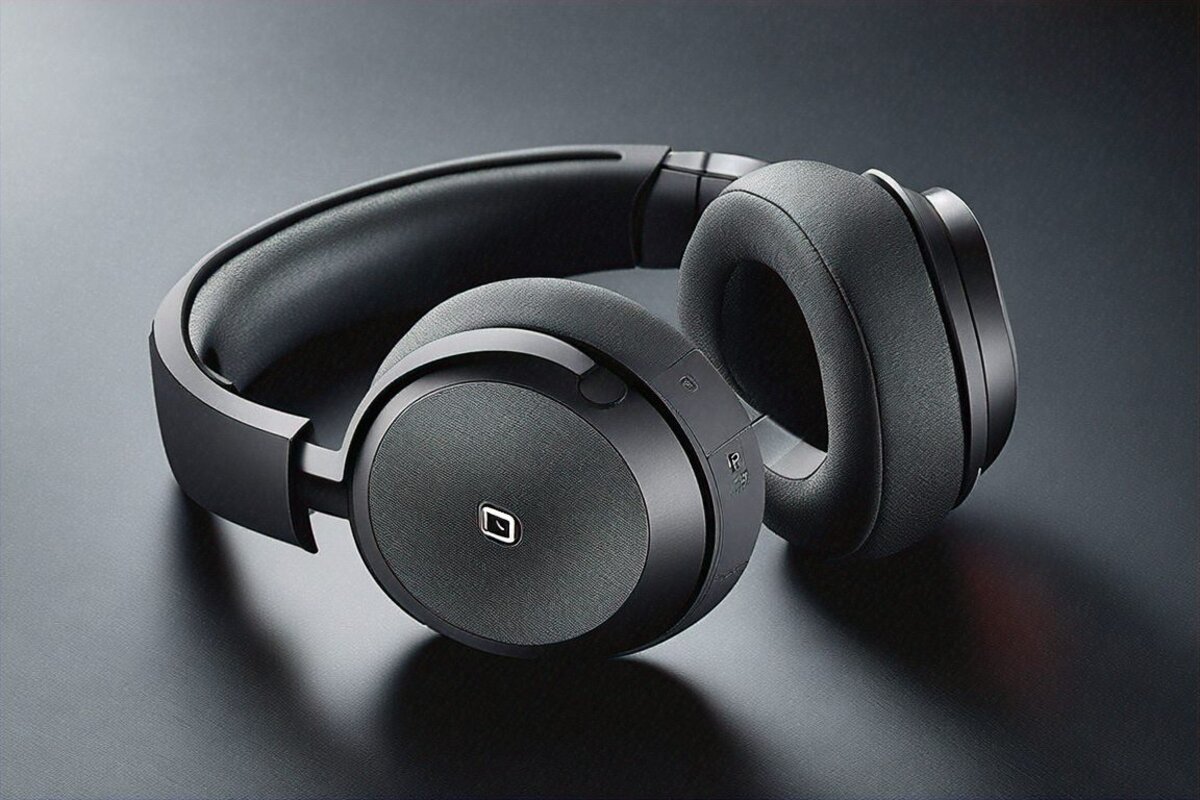

Sony WH-1000XM6 ANC is absolutely the best in the market. I travel frequently and these headphones make long flights bearable. The sound quality improvements over XM5 are noticeable.