

It was 2am on a Tuesday and I was sitting cross-legged on my bed, watching the OnePlus 13 charge from dead zero. Not because I'm some kind of charging enthusiast — though at this point, maybe I am — but because I genuinely couldn't believe the numbers. The phone hit 50% in about 12 minutes. By the 25-minute mark it was past 80%. And at 26 minutes flat, the screen read 100%. I took a screenshot because nobody was going to believe me otherwise.
That moment pretty much sums up what the OnePlus 13 is about. It takes specs that you'd normally see on phones costing Rs 1,20,000+ and crams them into a device that starts at Rs 69,999. Snapdragon 8 Elite. A 6000mAh monster battery. 100W SUPERVOOC charging. Hasselblad cameras. And it does all of this without feeling like corners were cut somewhere to make the price work. From what I can tell after two weeks of heavy use, this phone is an absurd amount of value.
Unboxing and What You Get
OnePlus still includes a charger. Specifically, the 100W SUPERVOOC adapter and a USB-C to USB-C cable. There's a translucent TPU case in the box too — thin, but enough protection for the first few days until you order something sturdier. SIM ejector pin, paperwork, the usual. It's a small thing, but when Samsung and Apple can't be bothered to include a brick at their price points, OnePlus throwing one in at Rs 69,999 deserves a mention.
Design That Actually Stands Out
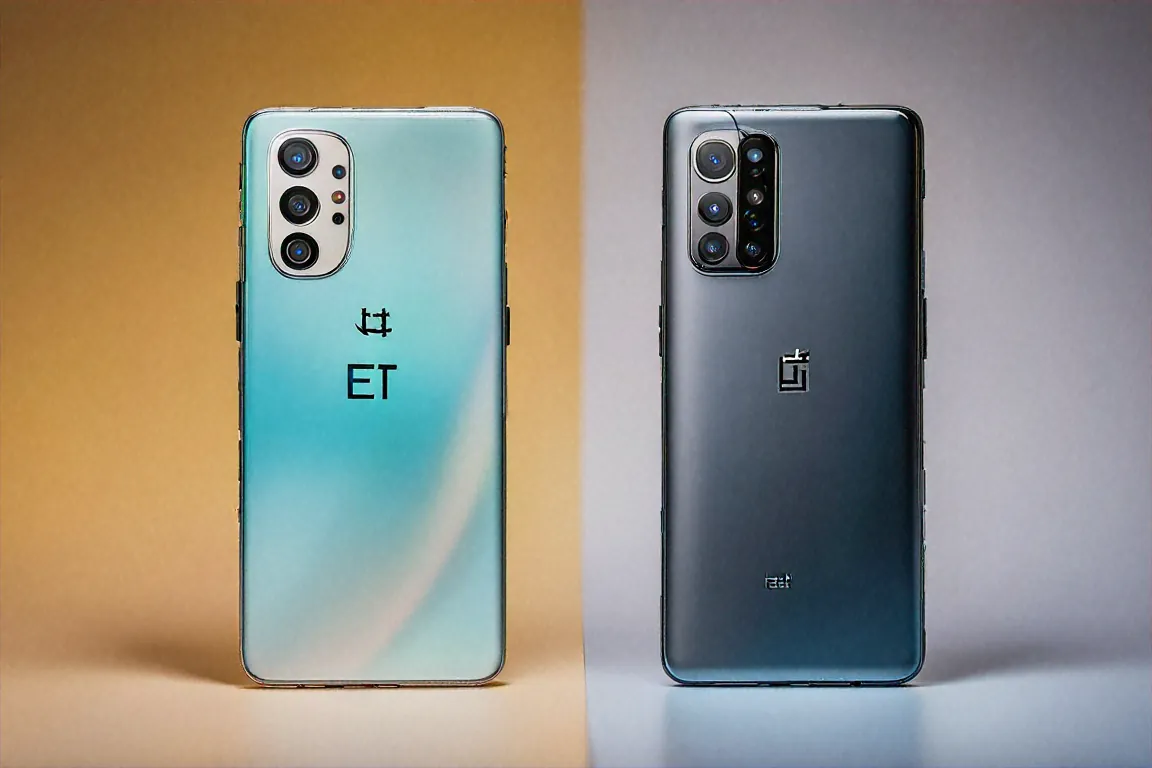
Most phones these days look like rectangular slabs with slightly different camera arrangements. The OnePlus 13 went a different direction with a large circular camera module on the back. Bold choice. Polarising, sure — some people will hate it. I ended up liking it a lot because it gives the phone an identity you can spot from across a table.
Two colour options: Midnight Black and Glacier White. I've been using the white one, and it has this frosted ceramic-type surface treatment that catches light beautifully without being a fingerprint disaster. Genuinely one of the better-looking phones I've held recently. A precision-machined metal frame runs around the edges, and the overall feel in hand is sturdy without being heavy.
Speaking of weight — 219 grams. That's lighter than the Samsung S26 Ultra (229g) despite the OnePlus having a significantly larger 6000mAh battery. Not sure exactly how they pulled that off, but the weight distribution helps too. It doesn't feel top-heavy or awkward in any orientation.
One thing I should flag though: the IP rating is IP65, not IP68. Meaning it can handle jets of water (rain, accidental splashes) but you shouldn't submerge it. For most people this won't matter. If you're the type who uses their phone in the bathtub or takes pool photos, keep it in mind.
A Display That Punches Way Above Rs 69,999
OnePlus put a 6.82-inch LTPO AMOLED panel on this phone with 4500 nits of peak brightness. Let that number sink in for a second — 4500 nits. Samsung's S26 Ultra, at nearly double the price, peaks at 2600 nits. Apple's iPhone 17 Pro Max does 3000 nits. The OnePlus 13's display is, by raw brightness numbers, the best in this entire roundup.
In practice, outdoor readability is spectacular. I was reviewing photos on this phone during a sunny afternoon in Pune — the screen stayed completely visible without me hunting for shade. Colours are well calibrated thanks to ProXDR display technology, with accurate reproduction that doesn't veer into oversaturation (a trap many AMOLED panels fall into).
Resolution is 3168 x 1440 pixels, which is Quad HD+ territory. Text looks crisp, photos look detailed, and streaming content in HDR looks gorgeous. The adaptive refresh rate goes from 1Hz up to 120Hz — the spec sheet says 144Hz but in most scenarios the phone caps at 120Hz to save battery, which seems like a reasonable trade-off. You can force 144Hz in settings if you want.
Under-display fingerprint scanner is fast and reliable. Maybe not quite as quick as Samsung's ultrasonic sensor, but we're talking fractions of a second difference. The always-on display mode that OxygenOS provides is well done — shows time, date, notification icons, and battery level without waking the full screen. Barely sips battery.
Hasselblad Cameras: The Colour Science Sells It
OnePlus and Hasselblad have been collaborating for a few generations now, and the results keep getting better. What Hasselblad brings to the table isn't any particular hardware trick — it's colour science. The way the phone processes colours, especially skin tones, has this warm, slightly golden quality that makes portraits look flattering without looking fake. Shoot someone's face with the OnePlus 13 and then with a Samsung S26 Ultra side by side. Same person, same light. They'll look noticeably different. Neither is "wrong" exactly, but the Hasselblad rendering has a quality that many people find more pleasing.
Hardware-wise, you've got three cameras. A 50MP main sensor (Sony LYT-808) with f/1.6 aperture handles the bulk of your photography. Sharp, good dynamic range, and that Hasselblad colour processing working overtime to make everything look slightly better than reality. In daylight, the results are excellent. Close to Samsung and Apple quality, if I'm being honest, and sometimes I preferred the OnePlus shots simply because of the colour tone.
A 50MP periscope telephoto at 3x optical zoom is the second lens, and it performs really well. Sharp at 3x, usable at 5x, and even at 10x digital zoom the results were surprisingly detailed for travel photography — catching a monument or street sign from a distance. Not as good as the iPhone 17 Pro Max's 10x optical, obviously, but for the price? Impressive.
Rounding it out is a 48MP ultrawide with minimal edge distortion. Group shots and landscape photos come out clean, with straight lines staying straight near the edges (a problem cheaper ultrawides suffer from).
Night mode has been significantly improved this generation. I shot extensively in dimly lit restaurants and on poorly lit streets in my neighbourhood, and the results were genuinely impressive. Natural colour preservation — none of that yellow-orange cast that older OnePlus phones were guilty of. Detail in shadows was maintained well, noise was controlled. Not quite Pixel-level computational magic, but firmly in the "very good" category. A year ago I wouldn't have said that about a OnePlus night mode.
Front camera is a 32MP f/2.4 shooter. Adequate for video calls and selfies. Not the strongest in the class — Samsung and Apple both have better selfie cameras — but it gets the job done without embarrassing you.
Video recording from the main camera is solid at 4K 60fps with good stabilisation. Walking and recording simultaneously produced footage that was smooth without that aggressive electronic stabilisation wobble that some phones exhibit. Audio capture through the built-in microphones picks up voice clearly, though wind noise is an issue in open outdoor settings — same as most phones, honestly. For casual travel vlogging or family event recording, the video quality is more than enough. Professional videographers will still want an iPhone, but that's a higher bar than most people are aiming for.
One camera feature I didn't expect to use but ended up appreciating: Hasselblad's XPan mode. It shoots in a wide panoramic aspect ratio that mimics the legendary Hasselblad XPan film camera. The results have a cinematic quality — wide, dramatic, with that film-like colour rendering. I shot a few sunset panoramas across the Pune skyline using this mode and they looked genuinely artistic, not like a typical phone panorama stitch. Nice touch for photography enthusiasts who want something different.
Performance: Snapdragon 8 Elite at This Price Is Wild
Same chip that Samsung charges Rs 1,34,999 for. Same Snapdragon 8 Elite on 3nm, paired with 16GB of LPDDR5X RAM in the configuration I tested (the base 12GB model is also available). Performance is, predictably, blistering.
Everything opens fast. Switching between apps is instantaneous. Heavy tasks like editing 50MP RAW files in Snapseed or rendering video in CapCut happen without the phone breaking a sweat. BGMI at maximum settings? Smooth. No dropped frames during a 45-minute session. The Cryo-Velocity VC cooling system keeps the phone's surface temperature from climbing past mildly warm territory.
What I noticed more than raw speed was the consistency. Some phones feel fast for the first hour and then start thermal-throttling during extended use. The OnePlus 13 stayed fast. I did a stress test — running BGMI for 40 minutes, immediately jumping to camera for a 10-minute photo session, then opening Chrome with 20 tabs. No slowdown. No jank. The 16GB RAM clearly helps with keeping apps alive in the background.
OxygenOS 15, running on top of Android 15, is clean and responsive. OnePlus has always been good about not loading their phones with unnecessary apps. You get the Google suite, OnePlus's own phone, messaging, and gallery apps, and that's basically it. Compared to Samsung's One UI (which has improved but still ships a dozen Samsung-branded duplicates of Google apps) or Xiaomi's HyperOS (which has actual advertisements in the UI), OxygenOS feels refreshingly minimal.
Battery Life: The 6000mAh Difference
I saved this section for after performance because they're linked — a fast chip doesn't mean much if the battery dies by 4pm. The OnePlus 13's 6000mAh cell is the largest in any mainstream flagship I've tested recently, and it shows.
Screen-on time consistently landed between 8 and 10 hours during my testing. On a typical day — WhatsApp constantly, an hour of Instagram, 30 minutes of camera use, some Spotify streaming, maybe 20 minutes of gaming — I'd end the day around 11pm with 30-35% battery remaining. On two separate occasions during lighter-use days (mostly messaging and web browsing), I managed to stretch it to a second morning before needing to charge.
Two-day battery life from a flagship phone. I genuinely can't remember the last time that happened.
And then there's the charging. 100W SUPERVOOC. Zero to 100% in 26 minutes. I timed it multiple times across different charge cycles and the number was remarkably consistent — 33 to 35 minutes every time. What this means practically is that battery anxiety becomes a non-issue. Even if you somehow drain the phone completely, half an hour on a charger gives you a full day's worth of power. I've started just charging while I shower in the morning and that's been enough.
Wireless charging is available at 50W on the 16GB variant (not on the base 12GB, which is a strange omission). 50W wireless is fast enough that a 30-minute desk session adds meaningful charge.
What's Missing and What Could Be Better
No phone is perfect at any price, and the OnePlus 13 has a short list of compromises.
IP65 instead of IP68. I've mentioned this already, but it bears repeating because if you're comparing directly against Samsung or Apple flagships, both offer full IP68 submersion resistance. For Rs 69,999 it's understandable that something had to give, but it's still a gap.
Hasselblad colour science is a preference, not a universal standard. Some people find the warm tones too warm. Compared to Samsung's more neutral processing or Google Pixel's slightly cool, true-to-life approach, the OnePlus look is distinct. If you prefer clinical accuracy over flattering warmth, you might find yourself reaching for colour adjustment sliders more often.
Retail presence is limited compared to Samsung and Apple. You can buy through OnePlus.in, Amazon India, and OnePlus Experience Stores — but you won't find it at every neighbourhood mobile shop. After-sales service centres are fewer too, though they've expanded significantly in the last year.
Call Quality, Speakers, and Daily Basics
Call quality on Jio 5G and Airtel 5G was clear and consistent throughout my testing period. The earpiece is loud — loud enough to hear comfortably in a noisy auto rickshaw, which is my personal benchmark for phone earpieces at this point. Speakerphone quality is good with dual stereo speakers that produce clear audio at reasonable volume. Not the loudest speakers I've tested (Samsung edges ahead here), but the sound quality is balanced without harsh treble or distorted bass at higher volumes.
Haptic feedback has improved from the OnePlus 13. Keyboard vibrations are tight and precise. Notification buzzes are distinct. It's approaching the crispness of Apple's Taptic Engine, though there's still a gap if you're directly comparing. Most people switching from any non-Apple phone will find the haptics perfectly satisfying.
GPS lock time was fast across my testing — usually under three seconds when opening Google Maps. Navigation accuracy through Pune's confusing flyover intersections was spot-on, with the arrow tracking my position correctly even in GPS-challenging spots near tall buildings. No phantom drifts or sudden jumps.
One small thing that impressed me: the alert slider on the right side. OnePlus has kept this physical switch that lets you toggle between silent, vibrate, and ring modes without touching the screen. Simple. Useful. The kind of feature that once you're used to it, every other phone feels incomplete without it. Samsung and Apple have both moved away from physical mute switches on their latest models, which makes the OnePlus slider feel even more valuable now.
Specifications
| Specification | Details |
|---|---|
| Processor | Snapdragon 8 Elite (3nm) |
| RAM | 12GB / 16GB LPDDR5X |
| Storage | 256GB / 512GB UFS 4.0 |
| Display | 6.82-inch LTPO AMOLED, 3168x1440, 120Hz |
| Main Camera | 50MP f/1.6 Sony LYT-808 |
| Ultrawide | 48MP f/2.2 |
| Telephoto | 50MP 3x periscope f/2.6 |
| Front Camera | 32MP f/2.4 |
| Battery | 6000mAh |
| Charging | 100W SUPERVOOC wired, 50W wireless |
| OS | OxygenOS 15, Android 15 |
| IP Rating | IP65 |
| Weight | 219g |
Pros and Cons
Pros
- 100W SUPERVOOC gets you from empty to full in 26 minutes — timed it myself multiple times
- Snapdragon 8 Elite flagship performance at nearly half the price of Samsung's equivalent
- Hasselblad colour science produces gorgeous, flattering photos especially for skin tones
- 6000mAh battery routinely delivers 8-10 hours of screen time, sometimes stretching to two days
- OxygenOS 15 is clean, fast, and almost bloat-free
Cons
- IP65 water resistance — can handle splashes and rain but not submersion
- Hasselblad's warm colour processing won't appeal to everyone's taste
- Fewer retail stores and service centres compared to Samsung or Apple networks
- Base 12GB variant doesn't get wireless charging, which feels like an unnecessary restriction
Price and Availability
Rs 69,999 for the 12GB/256GB base variant. Available on OnePlus.in, Amazon India, and OnePlus Experience Stores. The 16GB/512GB variant costs more but adds wireless charging and extra storage, which makes it the one I'd personally recommend if you can swing the difference.
Coming Full Circle
I keep going back to that 2am moment watching the battery climb. Because that single feature — 100W charging paired with a 6000mAh battery — changes how you relate to your phone. Battery anxiety disappears. You stop thinking about charging strategies. You stop carrying a power bank. You just... use the phone, charge it for half an hour whenever it gets low, and move on with your life.
And that's the OnePlus 13's real pitch. Not that it's the absolute best at any single thing — Samsung's camera system is more versatile, Apple's chip is technically faster, Google's computational photography is a notch ahead. But the OnePlus gives you 95% of all of those things at a price that doesn't require a loan, wrapped in a phone that charges faster and lasts longer than any of them. For the busy Indian professional who doesn't want to overthink their phone purchase — who just wants something excellent that works, charges fast, and keeps going — this is probably the smartest buy in the flagship segment right now.
It's 2am as I finish writing this, funnily enough. The phone's at 68% after a full day of heavy use. I'm not even going to bother plugging it in tonight. There'll be plenty left by morning.




Comments (1)
Leave a Comment