
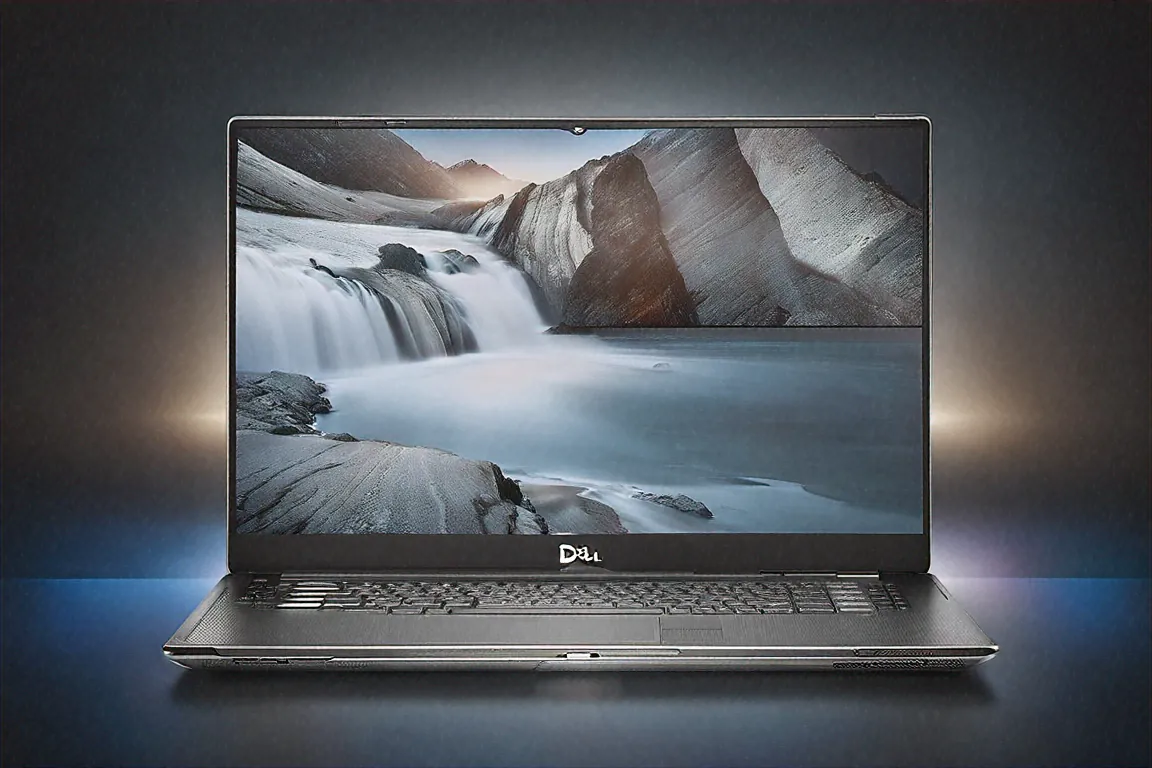
₹1,49,990 for a Windows Laptop — Overpriced or Worth It?
Let's not dance around this. The Dell XPS 15 has been the go-to recommendation for "premium Windows ultrabook" for the better part of a decade. Reviewers love it. YouTube thumbnails put it next to MacBooks. Dell charges accordingly. At ₹1,49,990 for the 2026 model with an Intel Core i9-13900H, RTX 4070, and 3.5K OLED display, you're paying flagship prices. The question I wanted to answer after six weeks of use wasn't "is this a good laptop?" — it was "is this laptop ₹1.5 lakh good?"
Short answer: for a specific type of buyer, probably yes. For everyone else, I'm not sure.
What's Inside the Box
Dell ships the XPS 15 9530 with Intel's Core i9-13900H — a 14-core processor split into 8 Performance cores, 8 Efficient cores, and 8 Low Power cores. NVIDIA's RTX 4070 with 8GB sits as the discrete GPU. You get 32GB of DDR5-4800 RAM (soldered, not upgradeable), a 1TB PCIe Gen 4 SSD, and that gorgeous 15.6-inch OLED panel running at 3456x2160 with 60Hz refresh. The 86Wh battery powers everything, and Dell includes a 130W USB-C charger.
On paper, this reads well. In practice, there are things that impressed me and things that frustrated me in roughly equal measure.
Build Quality — Where Dell Earns Its Premium
Credit where it's due: the XPS 15 is one of the best-built Windows laptops I've handled. Period. The CNC aluminium body in Platinum Silver feels cold and solid when you pick it up. Minimal flex in the lid. Zero keyboard deck flex. The hinge has a confident resistance that holds the display at whatever angle you set it without wobbling during video calls.
At 1.86 kilograms and 18mm thin, it's impressively slim for a 15-inch laptop carrying a discrete GPU. Compared to the MacBook Pro 15 (which no longer exists, but the 16-inch weighs 2.14kg), the XPS is lighter. Compared to gaming laptops with similar GPU power? Much thinner and more refined.
The haptic touchpad is large and accurate. Better than most Windows touchpads, though still not matching Apple's Force Touch. I'd rank it maybe 85% as good, which puts it comfortably ahead of every other Windows laptop I've tested recently. Windows precision drivers work reliably — multi-finger gestures, pinch-to-zoom, everything responds consistently.
One design choice that divides people: the keyboard layout. Dell moved the function row to a capacitive touch bar on earlier models, and while they've brought back physical keys for 2026, the layout still feels slightly cramped at the edges. Arrow keys are undersized. The Escape key is where my muscle memory expects it, which is good, but the overall key travel feels shallow — maybe 1.2mm. Acceptable for a thin laptop but noticeably less satisfying than a ThinkPad or even a MacBook Air keyboard.
The OLED Display — Genuinely Brilliant
If there's one reason to buy the XPS 15, it's this display. The 3456x2160 OLED panel at 60Hz is stunning in a way that screenshots and spec sheets can't communicate. You have to see it in person.
Blacks are truly black. Colours pop without looking oversaturated. Text rendering at this resolution is crisp enough that I can comfortably work at the native resolution without scaling, though Windows defaults to 200% and that's probably sensible for most people. Watching HDR content on YouTube or Netflix turns this laptop into a portable cinema that outperforms most people's TVs at home.
For professional colour work, the 100% DCI-P3 coverage is accurate out of the box. I compared Lightroom edits between the XPS display and my calibrated BenQ desktop monitor — colour accuracy was close enough that I'd trust the XPS for client work without needing an external display. Premiere Pro timelines look detailed and precise. Web design in Figma benefits from seeing your work at near-print resolution.
The anti-reflective coating handles office lighting and CFL tube lights effectively. Under direct window light, you'll see some reflections but it's manageable. Compared to glossy OLED panels without the coating, this is a noticeable improvement.
Brightness peaks at around 600 nits for HDR content, which is bright enough for indoor use but falls short of Apple's XDR panels that hit 1600 nits. Outdoor use in bright conditions is doable but not comfortable. I wouldn't recommend working in direct sunlight, though that's true of most OLED laptops.
Performance — Good, With Asterisks
Here's where my enthusiasm starts getting conditional. The Core i9-13900H is a competent processor. For productivity tasks — Office suite, web browsing, email, video calls — it's fast and responsive. Apps launch quickly, multitasking between a dozen Chrome tabs and several productivity apps feels smooth, and Intel's Thread Director manages the hybrid core architecture well enough that you rarely notice the three-tier core layout.
For creative work, Premiere Pro handles 4K timeline editing without major issues. Lightroom Classic processes batch edits of 50 RAW files in reasonable time. Photoshop is snappy. DaVinci Resolve for colour grading works well. So far so good.
But here's the thing. For ₹1,49,990, "good" isn't quite enough when Apple's M4 chip in the MacBook Air (₹1,24,900) delivers comparable or better single-threaded performance with zero fan noise and double the battery life. The Multi-threaded advantage of Intel's 14-core design exists, sure, but it's most noticeable in sustained heavy workloads that few ultrabook users actually encounter daily.
The RTX 4070 deserves a nuanced discussion. For creative acceleration — GPU-rendered effects in Premiere, Blender viewport rendering, AI-based image upscaling — it's genuinely useful. For gaming? It's decent but limited compared to the RTX 4070 in proper gaming laptops that have better cooling and higher TGP limits. Cyberpunk at medium-high settings gives you 45-55 fps. Casual gaming works. Serious gaming? Get a proper gaming machine.
Thermal management is where Dell's thin chassis creates problems. Under sustained load, the Core Ultra 9 throttles from roughly 115W to about 65W within 10-15 minutes as temperatures hit the 95-degree ceiling. Fan noise becomes very noticeable — not screaming, but a persistent high-pitched whirr that you'll hear over quiet music. If you're doing a one-off render or export, this doesn't matter much. If you're running sustained workloads for hours, you're not getting peak performance continuously.
I tested this with a 30-minute Cinebench R23 loop and saw multi-core scores drop roughly 18% from the initial pass to the tenth pass. Compared to thicker laptops with the same chip that sustain performance better, the XPS is clearly trading thermal headroom for thinness. Whether that trade-off works for you depends entirely on your workload patterns.
Battery Life — Solid but Unremarkable
The 86Wh battery is generous for this chassis size. In my testing with mixed productivity use — Chrome, Slack, Office apps, occasional Lightroom — I got 8 to 10 hours consistently. That's good. Not MacBook Air good, but well above average for a Windows laptop with a discrete GPU and OLED display.
Dell's 130W USB-C charger supports ExpressCharge 2.0, hitting 80% in about 60 minutes from empty. The charger itself is compact enough for daily carry. You can also charge via any USB-C PD charger, though at reduced wattage. I used a 65W GaN charger during light work and it kept the battery stable — a useful option for travel.
OLED display brightness significantly impacts battery drain. At 50% brightness, I was closer to 10 hours. At full brightness with HDR content, closer to 6. Managing brightness is the single biggest lever for extending battery life on this machine.
Ports — Adequate but Disappointing for the Price
Two Thunderbolt 4 ports. One USB-A 3.2 port. A microSD card reader (not full SD). A 3.5mm combo audio jack. That's your connectivity.
For a ₹1.5 lakh laptop in 2026, I expected more. No full-size SD card reader is a miss for photographers and videographers who are theoretically the target market. No HDMI means carrying a dongle for presentations. The microSD slot feels like a compromise from a bygone era when laptops could afford to cut corners on ports.
The two Thunderbolt 4 ports are versatile — they handle charging, display output, fast storage, and docking. But if you're charging through one of them, you're down to a single Thunderbolt port plus the USB-A. That gets tight quickly if you use external peripherals.
Wi-Fi 7 and Bluetooth 5.4 work reliably. I had zero connectivity issues over six weeks. Dell Mobile Connect provides wireless integration with Android or iOS phones for calls, messages, and notifications on the laptop. It works, though I found it redundant since I just use my phone.
Keyboard, Speakers, Webcam
Keyboard: functional but not a strength. The key travel is shallow, the feedback is mushy compared to ThinkPad or MacBook keyboards, and the arrow keys are too small. Backlight is even and adjustable. For long-form writing, I'd prefer an external keyboard. For emails and quick edits, it's fine.
Speakers: surprisingly good for a thin laptop. Positioned to fire upward through the keyboard deck grille, they produce decent stereo separation and enough bass to not sound tinny. Not as good as a MacBook Pro's six-speaker system, but better than most Windows laptops. I watched entire movies on this without feeling the need for headphones.
Webcam: 1080p with Windows Hello IR. Image quality is acceptable for video calls. Good enough for Teams and Zoom. Nobody's going to compliment you on how clear you look, but nobody's going to complain either. The auto-framing feature works but occasionally crops too aggressively.
Thermals — A Deeper Look
I want to spend more time on the thermal situation because I think it's the XPS 15's most important weakness. Dell chose to prioritize thinness at 18mm over thermal headroom. That's a design decision with real consequences.
During a typical workday — Chrome, Office apps, Slack, occasional Lightroom — the fans barely spin up. Surface temperature stays comfortable. No complaints here. Push it harder with a 4K Premiere Pro export or a Blender render, and things change quickly. The fan noise ramps to a high-pitched whirr within two minutes. CPU package temperatures hit 95 degrees Celsius within five minutes. Intel's thermal management kicks in and clocks the CPU down to maintain that ceiling, which means sustained multi-core performance drops noticeably.
For comparison, the Lenovo Yoga Pro 9i with the same Core i9-13900H in a slightly thicker chassis sustains higher clock speeds for longer because it has more thermal mass and larger fans. You're trading about 15-20% sustained multi-threaded performance for the XPS's thinner profile. If your workloads are bursty — export something, wait, work on another task — you'll rarely notice. If you render for 30+ minutes continuously, you will.
The GPU side is better managed. The RTX 4070 runs at a more modest power limit than gaming laptop implementations, so it stays thermally comfortable during moderate GPU tasks. Blender viewport rendering, Lightroom GPU acceleration, and light gaming don't push the cooling system to its limits.
Dell's Software and Support
Dell ships Windows 11 Home on the standard configuration. Bloatware is present but not excessive — Dell SupportAssist, My Dell, a few third-party trials. SupportAssist is actually useful for driver updates and system diagnostics, so I'd keep it installed. My Dell provides quick access to display settings, audio profiles, and power management — mildly useful but nothing you couldn't do through Windows settings.
Three years of Premium Support with Accidental Damage Protection comes standard in India. That's solid and, honestly, a genuine differentiator at this price point. Dell's service network in India is extensive — in most major cities, you'll get next-business-day on-site service. Having dealt with Dell support for previous XPS issues, I'd rate their premium support experience as above average among PC manufacturers. When the display on a previous XPS developed a dead pixel, Dell dispatched a technician to my home who replaced the entire panel within 48 hours. Try getting that level of service from most other brands.
Full Specifications
| Specification | Details |
|---|---|
| Processor | Intel Core i9-13900H, 24 cores (8P + 8E + 8LP) |
| GPU | NVIDIA GeForce RTX 4070, 8GB |
| RAM | 32GB DDR5-4800 (soldered) |
| Storage | 1TB PCIe Gen 4 SSD |
| Display | 15.6" OLED, 3456x2160, 60Hz, 100% DCI-P3 |
| Battery | 86Wh (8-10 hours mixed use) |
| Charging | 130W USB-C with ExpressCharge 2.0 |
| Weight | 1.86 kg |
| Ports | 2x Thunderbolt 4, USB-A 3.2, microSD, 3.5mm |
| Wireless | Wi-Fi 7, Bluetooth 5.4 |
| OS | Windows 11 Home |
Pros
- Stunning 3.5K OLED display with accurate colours out of the box
- Slim, premium aluminium build at 1.86kg
- Strong Intel Core i9-13900H for productivity and creative work
- Solid 8-10 hour battery life for a discrete GPU laptop
- Best-in-class haptic touchpad among Windows laptops
- Three years of Premium Support with accidental damage in India
Cons
- ₹1,49,990 is steep when MacBook Air M4 offers more for less
- Fan noise noticeable during sustained heavy workloads
- Thermal throttling under prolonged CPU stress
- Keyboard feel is shallow and mushy compared to competitors
- No full SD card slot — microSD only
- 32GB RAM soldered, zero upgrade path
Long-Term Ownership and Value
Dell builds the XPS 15 for a four to five year ownership cycle. The 32GB RAM, while not upgradeable, is sufficient for current and near-future productivity workloads. The RTX 4070 should remain capable for creative acceleration through at least 2028. The OLED panel won't become less gorgeous with age. And Dell's three-year warranty provides coverage through the most likely failure window.
Where I'd worry long-term is battery degradation. OLED displays and discrete GPUs draw significant power, and lithium-ion batteries lose capacity over hundreds of charge cycles. After two years of daily use, expect the 8-10 hour battery life to drop to 6-8 hours. Dell's battery replacement service exists but isn't cheap. Managing charge cycles through Dell Power Manager — keeping the battery between 50-80% when plugged in — helps extend its useful life.
Who Should Buy This — My Conditional Recommendation
Buy the Dell XPS 15 if you meet these conditions. First, you need Windows specifically — your workflow requires Windows-only software that doesn't run on macOS. Second, you want a discrete GPU for creative acceleration but don't need full gaming laptop performance. Third, you value display quality and will actively use the OLED panel for colour-sensitive work. Fourth, you prioritize portability and want something thinner and lighter than a 16-inch laptop.
If all four of those boxes are ticked, the XPS 15 is probably the best option available in India right now. The combination of build quality, display, and portable form factor with a discrete GPU doesn't have a direct Windows competitor that matches it.
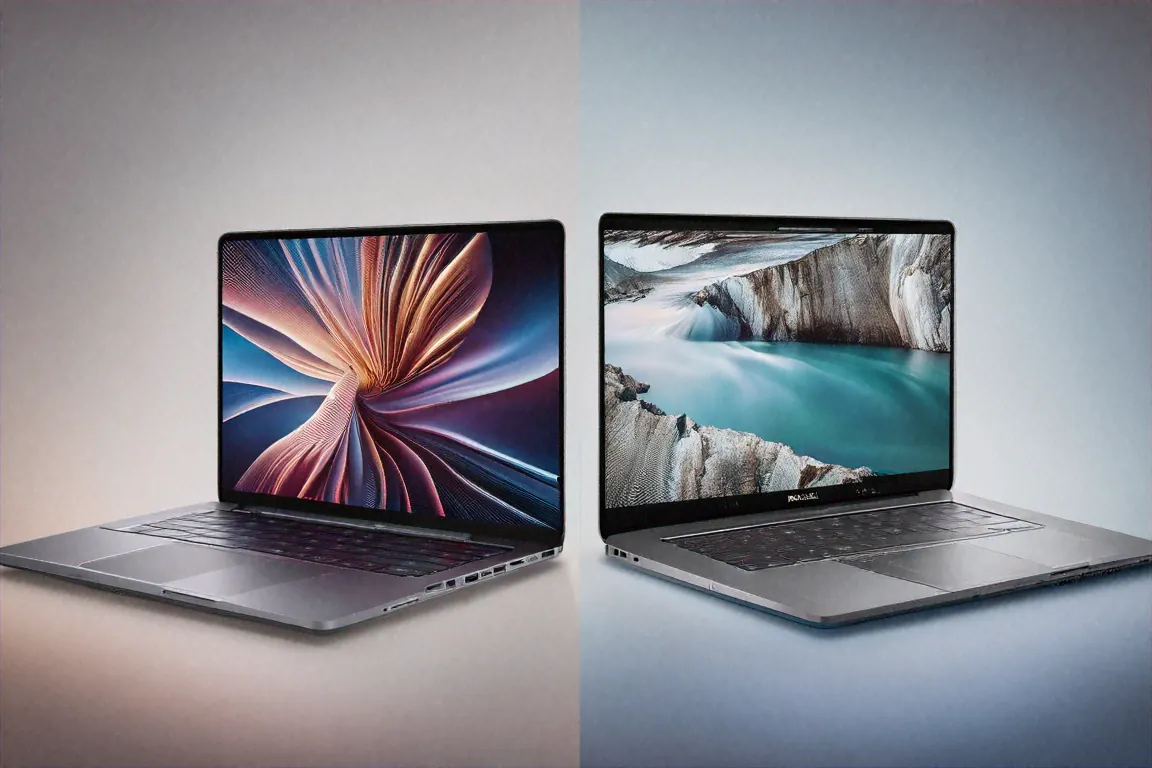
But if even one of those conditions doesn't apply? Alternatives exist. The MacBook Air M4 at ₹1,24,900 beats it on battery, performance efficiency, and trackpad quality if you don't need Windows or a discrete GPU. The ASUS Zenbook Pro 14 offers similar specs in a smaller package. Gaming-focused laptops like the Zephyrus G16 give you far more GPU power for ₹30,000 more. The Lenovo Yoga Pro 9i competes directly with a stronger keyboard.
The XPS 15 is a very good laptop in a market that's gotten extremely competitive. Five years ago, it was the obvious choice. In 2026, it's a choice — one that depends heavily on your specific needs aligning with its specific strengths. At ₹1,49,990, "good enough" isn't good enough. You need to know exactly why you're buying this over the alternatives.
I respect the engineering. I appreciate the display. I just wish Dell had given me fewer reasons to hesitate at this price.
Price in India
The Dell XPS 15 9530 is priced at ₹1,49,990 in India for the Core Ultra 9 / RTX 4070 / 32GB / 1TB OLED configuration. Available on Dell India's website, Amazon India, Flipkart, and premium laptop retailers. Dell regularly runs corporate and student discounts through their education and business portals — worth checking before paying the full retail price. Exchange offers on Amazon and Flipkart can knock off ₹5,000-15,000 depending on your old device.



Comments (0)
Leave a Comment
No comments yet. Be the first to share your thoughts!